

Vintage
Alcohol by Volume
Residual Sugar
Asidity
pH
Harvest
Ageing
Maceration
Fermentation
Packaging
Technical Note
Brand
Ageing Potential
Typically contain 15–96% alcohol by volume (ABV) depending on the distillation method, number of distillation cycles, and degree of rectification.
Body
Alcohol
Sweetness
Mousse
Acidity
Finish
Astringency
Balance
Readiness
Quality
Clarity
Color Intensity
Condition
Aroma Intensity
Taste Intensity
Development

Awards
0
Rating
0
0
0
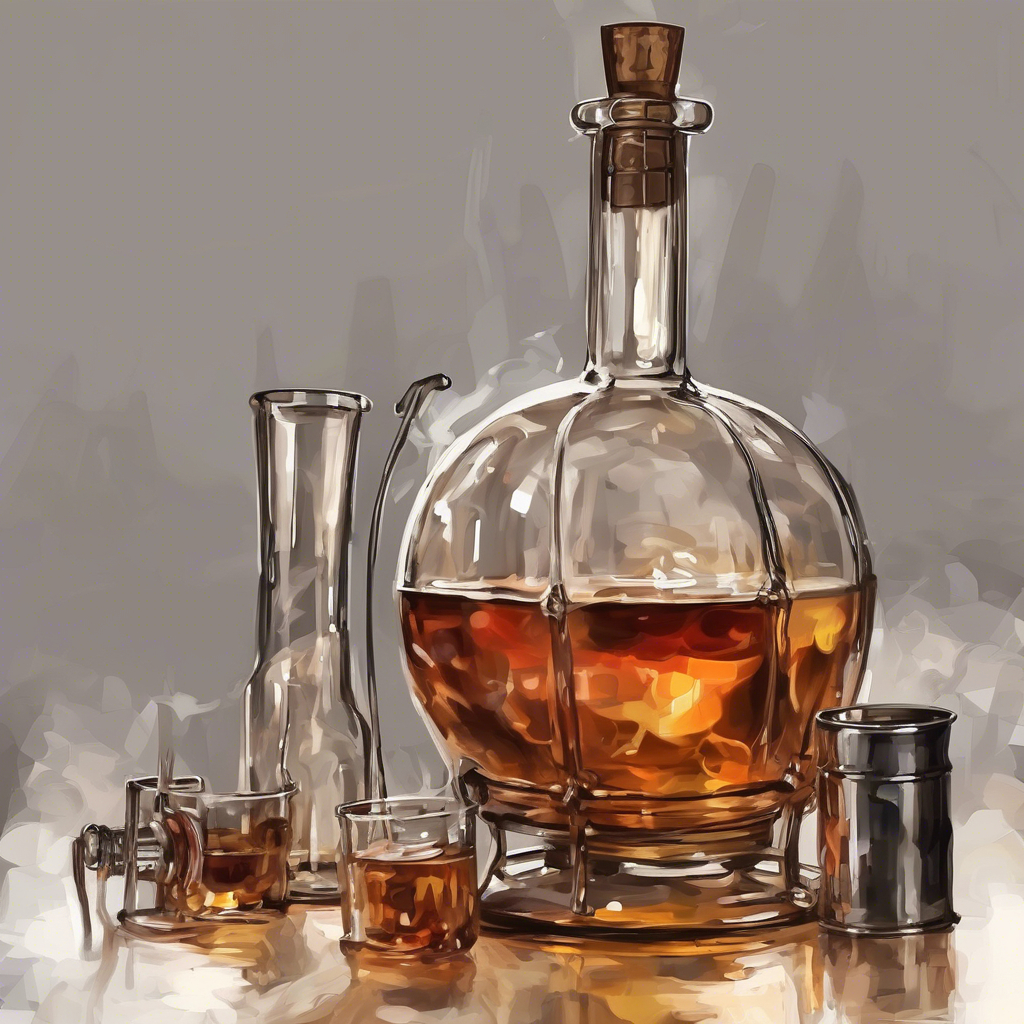
Distillate refers to the liquid that results from the process of distillation. Distillation is a method of separating components of a liquid mixture based on differences in their boiling points. It is commonly used in the production of alcoholic beverages, essential oils, and various industrial processes.
1. **Distillation Process:** Distillation involves heating a liquid to create vapor and then cooling that vapor to create a liquid. The process takes advantage of the different boiling points of components in a mixture, allowing for the separation of those components.
2. **Alcoholic Distillates:** In the context of alcoholic beverages, the term "distillate" often refers to the concentrated alcohol produced through distillation. For example, the distillate of fermented grape juice is used to make brandy, while the distillate of fermented grain mash is used to make whiskey.
3. **Essential Oil Distillates:** Essential oils are often obtained through distillation. Steam distillation is a common method for extracting essential oils from plant materials. The resulting aromatic liquid is the distillate.
4. **Chemical and Industrial Applications:** Distillation is widely used in chemical and industrial processes to separate and purify substances. The resulting distillate can be a concentrated form of a particular chemical or component.
5. **Quality Control:** The quality and characteristics of a distillate depend on the specific process used, the starting material, and the intended application. Distillation is often employed to achieve a desired purity or concentration.
6. **Fractional Distillation:** In many cases, fractional distillation is used to separate components with similar boiling points more effectively. This process involves multiple distillation steps to achieve a higher degree of purity.
7. **Examples of Distillates:**
- **Alcohol Distillates:** Include spirits such as whiskey, vodka, gin, and brandy.
- **Essential Oil Distillates:** Include the aromatic liquids obtained from plants like lavender, eucalyptus, or peppermint.
- **Industrial Distillates:** Include concentrated forms of chemicals or solvents.
8. **Final Product:** The distillate is the final product that results from the distillation process. Depending on the context, it may be a highly concentrated alcohol, an essential oil, or another purified substance.
----------------------------------
Alcohol distillate refers to a concentrated form of alcohol obtained through the process of distillation. Distillation is a method used to separate components in a liquid mixture based on their different boiling points. It involves heating the liquid to create vapor and then cooling that vapor to condense it back into liquid form, effectively purifying or concentrating certain components of the mixture.
In the context of alcoholic beverages, distillation is used to increase the alcohol content by separating ethanol (the type of alcohol suitable for consumption) from water and other substances present in the fermented liquid. The resulting product, alcohol distillate, has a much higher alcohol concentration than the original fermented mixture. This process is used in the production of spirits such as whiskey, vodka, rum, and gin, which typically have a higher alcohol content than non-distilled fermented beverages like beer and wine.
-----------------------------
An alcohol distillate refers to the concentrated alcoholic liquid produced through the process of distillation. Distillation is a method used to separate and purify liquids based on differences in their boiling points. In the case of alcohol, distillation typically involves heating a fermented liquid, such as beer or wine, in a still apparatus. As the liquid heats up, alcohol vaporizes at a lower temperature than water and other components, allowing it to be collected and condensed back into liquid form. The resulting distillate is higher in alcohol content and purer in composition compared to the original fermented liquid. It forms the basis for various alcoholic beverages, including spirits like whiskey, vodka, rum, and gin.
===============================
In the context of alcoholic beverages, the term "spirit" refers to a drink that is produced by distilling fermented grain, fruit, or vegetables, which have already gone through alcoholic fermentation. This process of distillation concentrates the alcohol and removes some of the water, resulting in a beverage with a higher alcohol content compared to beer or wine. Spirits are known for their potency, with alcohol by volume (ABV) typically ranging from about 35% to over 50%, though this can vary widely.
Vodka
A clear spirit traditionally made from fermented grains or potatoes, known for its neutral flavor.
Whiskey/Whisky
Made from fermented grain mash, which may include barley, corn, rye, and wheat, and typically aged in wooden casks.
Rum
Produced from sugarcane byproducts, such as molasses, or directly from sugarcane juice, and then aged in barrels.
Gin
A spirit that is primarily flavored with juniper berries along with other botanicals.
Tequila
Made from the fermented juice of the blue agave plant, primarily in the area surrounding the city of Tequila, Mexico.
Brandy
Distilled from wine or other fermented fruit juice, with well-known varieties including Cognac and Armagnac from France.
==========================================================
## Alcohol Distillates — Technical Definition
**Alcohol distillates** are alcoholic liquids obtained by the **distillation of fermented substrates** (such as grape must, grain mash, fruit mash, sugarcane products, or other fermentable materials) in order to **separate and concentrate ethanol and volatile aromatic compounds** from water and non-volatile components. Distillation increases the alcohol concentration beyond the natural fermentation limit and allows the selective retention or removal of aroma compounds.
Alcohol distillates typically contain **15–96% alcohol by volume (ABV)** depending on the distillation method, number of distillation cycles, and degree of rectification.
---
## Introduction
Distillation is one of the most important technological processes in the production of alcoholic beverages. While **fermentation** biologically converts sugars into ethanol and carbon dioxide, **distillation** is a **physical separation process** based on differences in boiling points between ethanol, water, and volatile compounds.
The technique emerged in the **medieval period** within the fields of alchemy and medicine, particularly in the **Islamic world and later Europe**, before becoming central to the production of spirits.
Distillates serve three main purposes:
1. **Alcohol concentration**
2. **Flavor extraction and refinement**
3. **Stability and preservation**
Today, alcohol distillates form the basis of the global **spirits category** and represent a wide range of culturally distinct beverages.
---
## Core Technical Parameters
| Parameter | Typical Range |
| --------------------------- | ------------------------------------------------------ |
| Alcohol by volume | 15–96% ABV |
| Distillation method | Pot still, column still, hybrid |
| Fermentation base | Grain, grapes, fruit, sugarcane, molasses, agave, etc. |
| Volatile compounds | Esters, aldehydes, higher alcohols, terpenes |
| Post-distillation treatment | Aging, dilution, filtration, flavoring |
---
## Distillation Principle
Ethanol boils at **78.37 °C**, while water boils at **100 °C**. When a fermented liquid is heated:
1. Ethanol and volatile compounds **evaporate first**
2. Vapors travel through a **still head**
3. Vapors **condense** in a cooling system
4. Condensed liquid becomes the **distillate**
Distillation is usually separated into fractions:
| Fraction | Composition | Typical Use |
| ----------------- | -------------------------- | ------------------------ |
| Heads (foreshots) | Methanol, acetaldehyde | Discarded or redistilled |
| Hearts | Ethanol + desirable aromas | Main product |
| Tails (feints) | Higher alcohols, oils | Often recycled |
---
## Major Classes of Alcohol Distillates
### 1. Grain Distillates
Produced from fermented cereals.
Examples:
* Whisky
* Vodka
* Gin
Raw materials include:
* barley
* corn
* rye
* wheat
---
### 2. Grape and Wine Distillates
Produced from wine or grape pomace.
Examples:
* Cognac
* Armagnac
* Grappa
These retain strong **varietal and terroir expression**.
---
### 3. Fruit Distillates
Produced from fermented fruit mash.
Examples:
* Calvados
* Kirsch
* Slivovitz
Fruit spirits often preserve **primary fruit aromas**.
---
### 4. Sugarcane Distillates
Derived from sugarcane juice or molasses.
Examples:
* Rum
* Cachaça
* Rhum Agricole
---
### 5. Agave Distillates
Produced from cooked agave plants.
Examples:
* Tequila
* Mezcal
These are known for **smoky and vegetal aromatic profiles**.
---
## Distillation Equipment
| Equipment Type | Characteristics | Typical Spirits |
| -------------- | ----------------------------------------- | ------------------------- |
| Pot still | Batch distillation, high flavor retention | Cognac, whisky |
| Column still | Continuous distillation, high purity | vodka, industrial alcohol |
| Hybrid still | Combination of both systems | modern craft distilleries |
---
## Legal and Classification Framework
Alcohol distillates are regulated internationally and typically classified by:
1. **Raw material**
2. **Production method**
3. **Geographic origin**
4. **Minimum alcohol level**
5. **Aging requirements**
Examples of protected categories include:
* Cognac (AOC)
* Tequila (DO)
* Scotch whisky (GI)
---
## Distillates vs Fermented Beverages
| Feature | Fermented Beverages | Distillates |
| ------------- | --------------------------- | ---------------------------------------- |
| Alcohol limit | 5–16% | 15–96% |
| Production | Fermentation only | Fermentation + distillation |
| Examples | wine, beer, mead | whisky, brandy, vodka |
| Aroma source | fermentation + raw material | fermentation + distillation cuts + aging |
---
## Role in the Alcoholic Beverage Classification System
Within a structured classification system, alcohol distillates belong to:
```
Alcoholic Beverages
│
├── Fermented beverages
│ ├── Wine
│ ├── Beer
│ └── Mead
│
└── Distilled beverages (Spirits)
├── Grain spirits
├── Grape spirits
├── Fruit spirits
├── Sugarcane spirits
└── Agave spirits
Visual Aspects
Aroma
Taste
Conclusion
Aroma and Taste
Pairing
Composition
0
- Alcohol by Volume
Typically contain 15–96% alcohol by volume (ABV) depending on the distillation method, number of distillation cycles, and degree of rectification.
Serving
Alcoholic Beverage
Class
Alcohol Distillate

Wordwide
0
Classifications
Reference
- Filter items with TitleFilter items with Vintage
Related Products
[PRODUCTS #]
- 24-hour front deskFree WiFiParkingBreakfastPoolGym
