

Add a Title
[DESCRIPTION]

Wine Atlas
Region(s)Country


0
0
Classifications
Add a Title
[DESCRIPTION]
0
[CATEGORY]
[DESCRIPTION]
0
Defining the World as a wine region encompasses recognizing the vast and diverse tapestry of viticultural areas spread across the globe, each contributing unique characteristics to the world of wine. This definition includes an appreciation of the myriad climates, soils, grape varieties, and winemaking traditions that exist across continents, from the traditional wine-producing countries of Europe to the emerging regions in the New World and beyond. Here's an overview of the global wine region:
Scope
The global wine region encompasses all wine-producing countries, from the historic vineyards of France, Italy, and Spain in Europe to the innovative estates of the United States, Australia, and Chile, among others.
- **Diversity:** It highlights the incredible diversity of wine styles, grape varieties, and winemaking techniques around the world, reflecting the cultural, climatic, and geographical differences across regions.
### Key Wine Regions
- **Old World:** Traditionally includes countries with long histories of winemaking, such as France, Italy, Spain, Germany, and Portugal, known for their strict appellation controls and regional specialties.
- **New World:** Refers to newer wine-producing regions like the United States, Australia, South Africa, New Zealand, Argentina, and Chile, where innovation and experimentation often drive winemaking practices.
### Climate and Geography
- **Variability:** Global wine regions benefit from an immense range of climates, from the cool, maritime conditions ideal for Pinot Noir and Chardonnay to the hot, arid climates where Shiraz/Syrah and Cabernet Sauvignon excel.
- **Terroir:** The concept of terroir plays a crucial role in the diversity of the world's wines, with each region offering unique combinations of soil, climate, and topography that influence the character of its wines.
### Viticulture and Winemaking
- **Tradition vs. Innovation:** The balance between tradition and innovation defines many wine regions, with some areas adhering to centuries-old methods and others embracing modern techniques to enhance quality and sustainability.
- **Sustainability:** There is a growing emphasis on sustainable, organic, and biodynamic viticulture practices worldwide, reflecting a commitment to environmental stewardship and quality.
### Global Influence
- **Cultural Exchange:** Wine production and consumption foster cultural exchange, with winemakers around the world drawing inspiration from each other and consumers enjoying an unprecedented variety of wines.
- **Economic Impact:** The global wine industry is a significant economic force, providing jobs, supporting tourism, and contributing to the economies of wine-producing countries.
-------------------------------------------------
The earliest evidence of a fermented drink made from rice and grapes dates back to ancient China around 7000 BC. Further historical records show the presence of wine in Georgia from 6000 BC, in Iran from 5000 BC, and in Sicily from 4000 BC. The oldest known winery, the Areni-1 site in Armenia, dates back to 4100 BC.
Wine boasts a rich and captivating history that stretches over millennia. Here's a concise overview of its key developments:
**Ancient Origins:**
Wine's origins are rooted in ancient civilizations, including Mesopotamia (now modern-day Iraq) and ancient Egypt, where winemaking dates to around 6000 BCE. These early civilizations discovered the delightful and intoxicating effects of fermented grapes.
**Ancient Greece and Rome:**
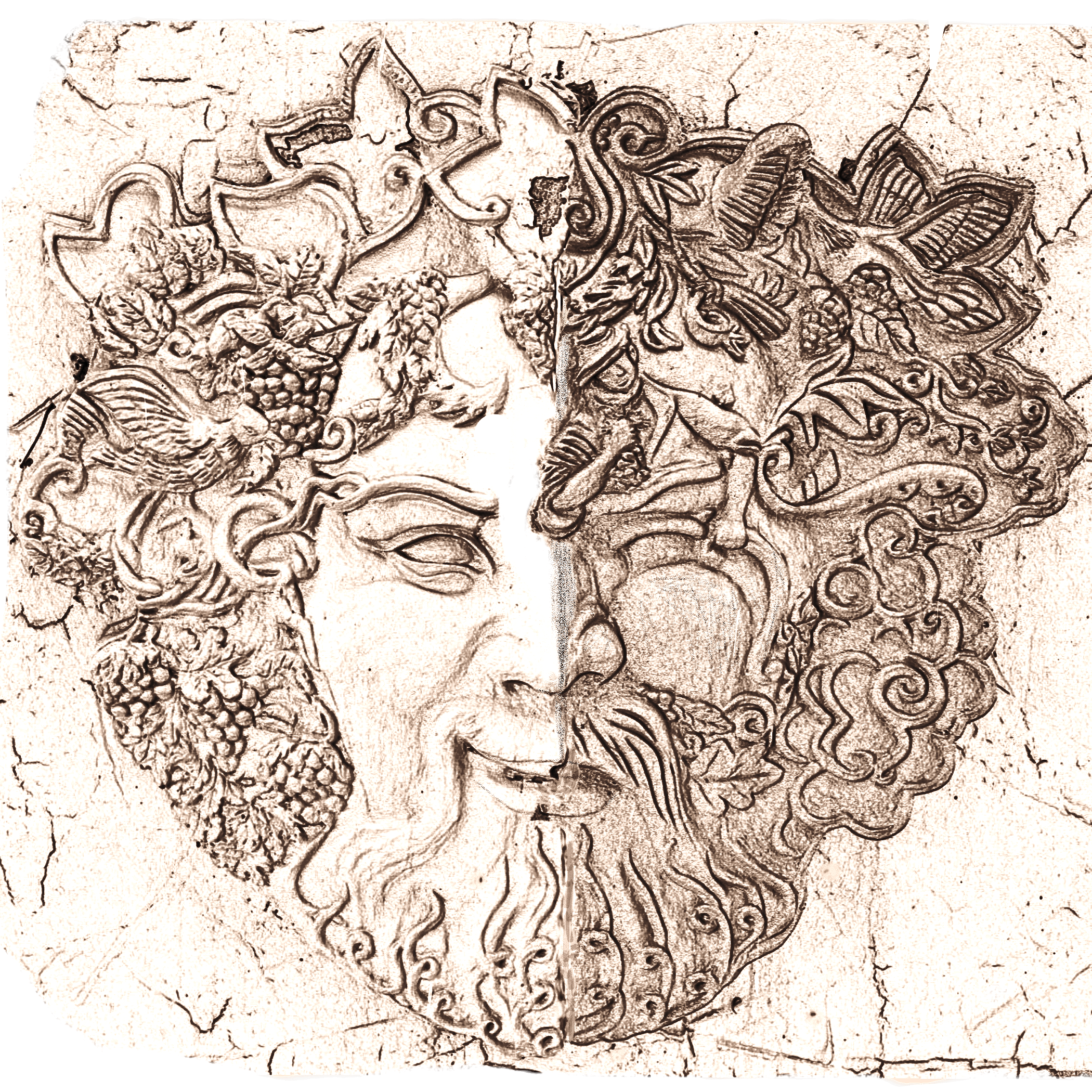
In ancient Greek and Roman societies, wine was pivotal both socially and religiously. The Greeks honored Dionysus, the god of wine, and Romans enhanced viticultural techniques and vine cultivation as their empire expanded.
**Medieval Europe:**
During the Middle Ages, European monasteries became the guardians of viticultural knowledge and wine production. Monastic orders like the Benedictines and Cistercians were instrumental in refining vineyard management and winemaking techniques.
**Age of Exploration:**
The 15th and 16th centuries' European Age of Exploration led to the discovery and establishment of new wine regions. Explorers and colonists introduced grapevines to regions such as the Americas, South Africa, Australia, and New Zealand, significantly shaping the global wine map.
**Modern Winemaking:**
The 19th and 20th centuries saw remarkable advancements in winemaking. Innovations included the adoption of phylloxera-resistant rootstocks, stainless steel fermentation tanks, controlled fermentation temperatures, and enhanced understanding of wine chemistry, all contributing to improved wine quality and consistency.
**New World Wines:**
Throughout the 20th century, non-European regions like California, Australia, and South America emerged as prominent wine producers. These 'New World' regions brought modern marketing techniques, innovative winemaking practices, and varietal labeling to the forefront, challenging the traditional dominance of 'Old World' wine regions.
**Wine Appreciation and Globalization:**
Late 20th and early 21st-century developments saw a significant increase in wine appreciation. Wine enthusiasts and critics began exploring a wider array of styles and regions, and the global wine market expanded due to increased production and consumption worldwide.
- Area
7,200,000 ha
[SOIL]
Soil
Climate
[CLIMATE]
- Established
8000 - 6000 B.C.
Production228–235M hl
Area7,200,000 ha
Subregions...
Wine Atlas
World

Wordwide
Appellation
Wine Atlas
Elevation
Aspect
Inclination
Established
Production
Area
Subregions
8000 - 6000 B.C.
228–235M hl
7,200,000 ha
0
Established
Production
Area
Subregions
[ESTABLISHED]
[PRODUCTION]
[AREA]
...
Established
Production
Cellar Master
Kosher
[ESTABLISHED]
[PRODUCTION]
[WINEMAKER]
[KOSHER]
Elevation
[ELEVATION]
Aspect
[ASPECT]
Inclination
[INCLINATION]
Style(s)
[STYLE]
Reference
Wines/Products
[PRODUCTS #]
MAP
0
