

Vintage
Alcohol by Volume
Residual Sugar
Asidity
pH
Harvest
Ageing
Technical Note
Brand
Ageing Potential
Maceration
Fermentation
Packaging
Clarity
Color Intensity
Condition
Aroma Intensity
Taste Intensity
Development
Body
Mousse
Alcohol
Sweetness
Acidity
Finish
Astringency
Balance
Readiness
Quality

Awards
0
Rating
0
0
0
Sake is a traditional Japanese rice wine that has been produced for centuries. It is an integral part of Japanese culture and is often associated with ceremonial and social occasions. Sake is made through a unique brewing process that involves the fermentation of rice, water, yeast, and koji mold. Here's a definition of sake:
1. **Ingredients:**
- **Rice:** Sake is primarily made from polished rice, with specific sake rice varieties cultivated for brewing. The outer layers of the rice grains are often polished away to expose the starchy core.
- **Water:** High-quality water is crucial for sake production. Different regions in Japan are known for their distinctive water profiles, influencing the characteristics of the final product.
- **Yeast:** Sake yeast is used to ferment the sugars in the rice, converting them into alcohol.
- **Koji Mold:** Koji mold (Aspergillus oryzae) is a type of mold that is cultivated on the rice to produce enzymes. These enzymes break down the starches in the rice into fermentable sugars during the brewing process.
2. **Brewing Process:**
- **Polishing:** The rice is polished to remove the outer layers, leaving behind the starchy core. The degree of polishing affects the quality and grade of the sake.
- **Koji Production:** Koji mold is cultivated on a portion of the rice, creating koji, a mold-infused rice. This koji is crucial for saccharification, the process of converting starches into sugars.
- **Fermentation:** Sake brewing involves multiple parallel fermentation steps, where the koji-converted rice is fermented simultaneously with the addition of more rice, water, yeast, and sometimes additional koji.
3. **Classification:**
- **Categories:** Sake is categorized based on factors such as polishing ratio, alcohol content, and production methods. Common categories include Junmai, Ginjo, Daiginjo, Honjozo, and more.
4. **Flavor Profile:**
- **Varied Profiles:** Sake can exhibit a wide range of flavors, from dry to sweet, and may have fruity, floral, or umami characteristics. The choice of rice, water, and brewing methods contributes to the diverse flavor profiles.
5. **Serving:**
- **Temperature:** Sake can be served at various temperatures, ranging from chilled to warm. The serving temperature can impact the perceived flavors and aromas of the sake.
- **Vessels:** Sake is traditionally served in small cups called sakazuki or in larger communal serving vessels like tokkuri.
6. **Cultural Significance:**
- **Ceremonial and Social:** Sake plays a central role in various Japanese ceremonies, rituals, and social gatherings. It is often used in Shinto ceremonies, weddings, and celebrations.
7. **Global Recognition:**
- **International Popularity:** Sake has gained popularity worldwide, and many breweries outside of Japan also produce sake using traditional methods.
Sake is appreciated for its nuanced flavors, versatility, and cultural significance. Its production involves a delicate balance of art and science, resulting in a beverage that holds a special place in Japanese traditions and is enjoyed by enthusiasts worldwide.
========================================================
## 🍶 Sake — Technical Overview
### Introduction
**Sake** is a traditional Japanese alcoholic beverage produced by the **fermentation of polished rice**, in which starch is converted into fermentable sugars and then into ethanol. Unlike grape wine (where sugar already exists in the fruit), sake production requires **simultaneous saccharification and fermentation**, making the process technically closer to brewing beer than winemaking.
Sake is sometimes called **“rice wine,”** but in scientific classification it is a **fermented cereal beverage** produced through **multiple parallel fermentation**.
---
# 1. Technical Definition
**Sake** is an alcoholic beverage produced by the fermentation of **polished rice, water, koji mold (*Aspergillus oryzae*), and yeast**, in which rice starch is enzymatically converted to sugars and simultaneously fermented to ethanol.
---
# 2. Raw Materials
| Component | Function |
| -------------------------------------------- | ----------------------------------------------- |
| Rice (sakamai or table rice) | Starch source |
| Water | Extraction medium and fermentation matrix |
| Koji mold (*Aspergillus oryzae*) | Produces enzymes converting starch to sugar |
| Yeast (*Saccharomyces cerevisiae* var. sake) | Converts sugar into ethanol and aroma compounds |
---
# 3. Production Process (Simplified)
### 1. Rice Polishing (*Seimai*)
Outer layers of rice grains are removed to eliminate fats and proteins that can produce rough flavors.
### 2. Washing and Soaking
Controls moisture level prior to steaming.
### 3. Steaming
Rice is steamed rather than boiled to maintain grain structure.
### 4. Koji Production
Steamed rice is inoculated with **koji mold** to produce enzymes (amylases and proteases).
### 5. Yeast Starter (*Moto / Shubo*)
A small fermentation starter culture is prepared.
### 6. Main Fermentation (*Moromi*)
Rice, koji, water, and yeast are added in **three stages** (sandanjikomi).
### 7. Pressing (*Joso*)
Liquid sake is separated from rice solids.
### 8. Filtration and Pasteurization
Often pasteurized twice to stabilize the product.
### 9. Aging
Typically aged **3–12 months** before bottling.
---
# 4. Fermentation Principle
Sake fermentation involves **parallel processes**:
1. **Saccharification**
Rice starch → glucose (via enzymes from koji)
2. **Alcoholic fermentation**
Glucose → ethanol + CO₂ (via yeast)
This is called **Multiple Parallel Fermentation (MPF)**.
---
# 5. Basic Chemical Composition
| Component | Typical Range |
| -------------- | ------------- |
| Alcohol | 14–17% ABV |
| Residual sugar | 1–5% |
| Acidity | 1.0–2.0 g/L |
| Amino acids | 1–2 g/L |
| pH | 4.1–4.7 |
---
# 6. Main Sake Classifications (Japan)
Classification depends largely on **rice polishing ratio** and whether **distilled alcohol** is added.
| Category | Rice Polishing Ratio |
| -------- | ----------------------------- |
| Junmai | ≤70% remaining rice |
| Honjozo | ≤70% + small alcohol addition |
| Ginjo | ≤60% |
| Daiginjo | ≤50% |
Examples:
* Junmai sake
* Ginjo sake
* Daiginjo sake
---
# 7. Sensory Profile
Typical aroma and flavor descriptors:
| Aromas | Flavors |
| ------------ | --------------- |
| melon | rice sweetness |
| pear | umami |
| banana | light acidity |
| steamed rice | mild bitterness |
High-grade **Ginjo / Daiginjo** often show **fruity esters** (isoamyl acetate, ethyl caproate).
---
# 8. Serving Styles
| Temperature | Style |
| ----------------- | ------------------ |
| Chilled (5–10 °C) | Ginjo / Daiginjo |
| Room temperature | Junmai |
| Warm (40–50 °C) | Traditional styles |
---
# 9. Geographic Origin
Sake is indigenous to:
* Japan
Important brewing regions include:
* Nada District
* Fushimi
---
# 10. Alcoholic Beverage Classification Context
| Level | Category |
| -------- | ----------------------------- |
| Class | Fermented alcoholic beverage |
| Subclass | Cereal fermentation beverages |
| Type | Rice fermentation beverage |
| Product | Sake |
=====================================================
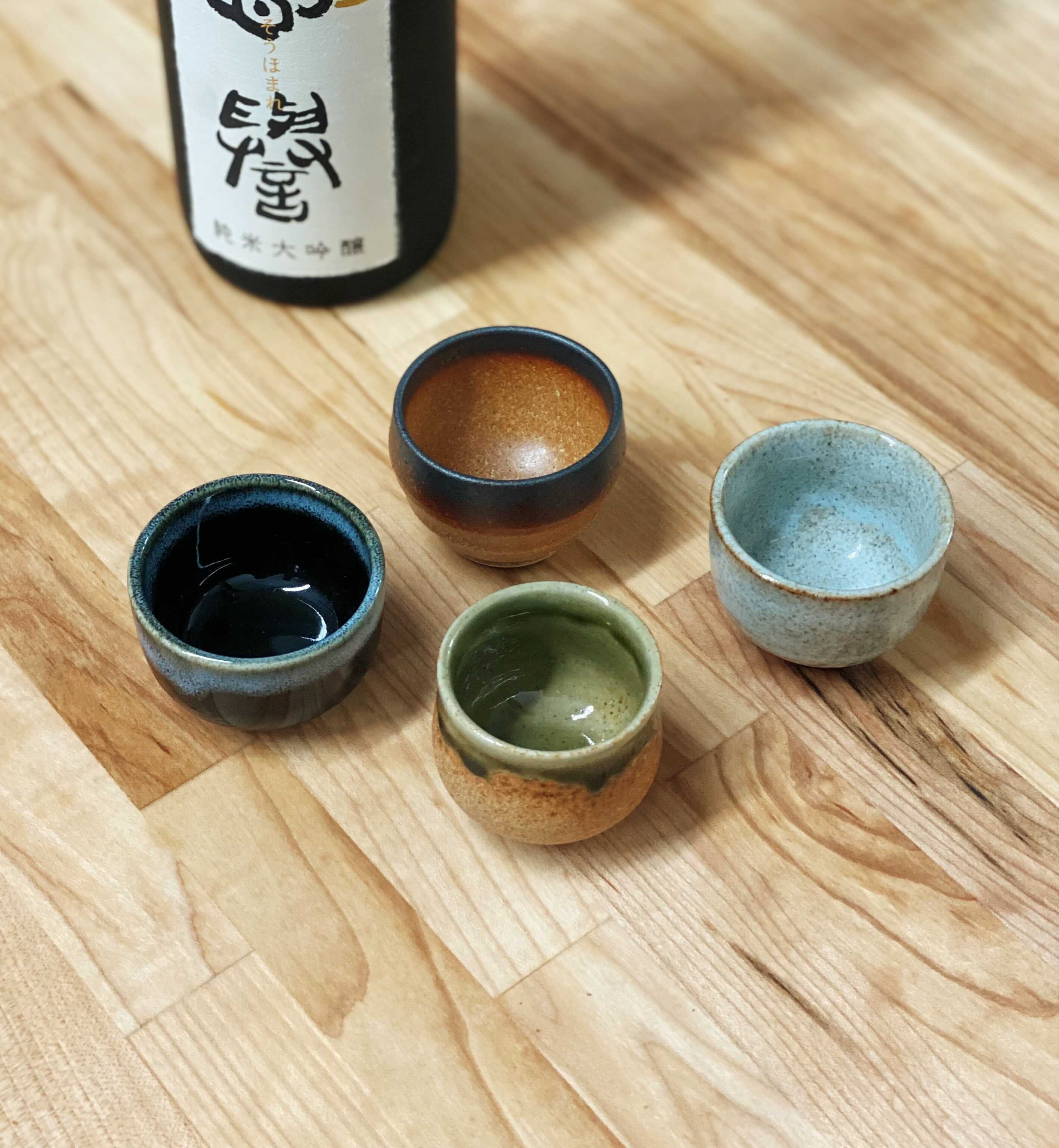


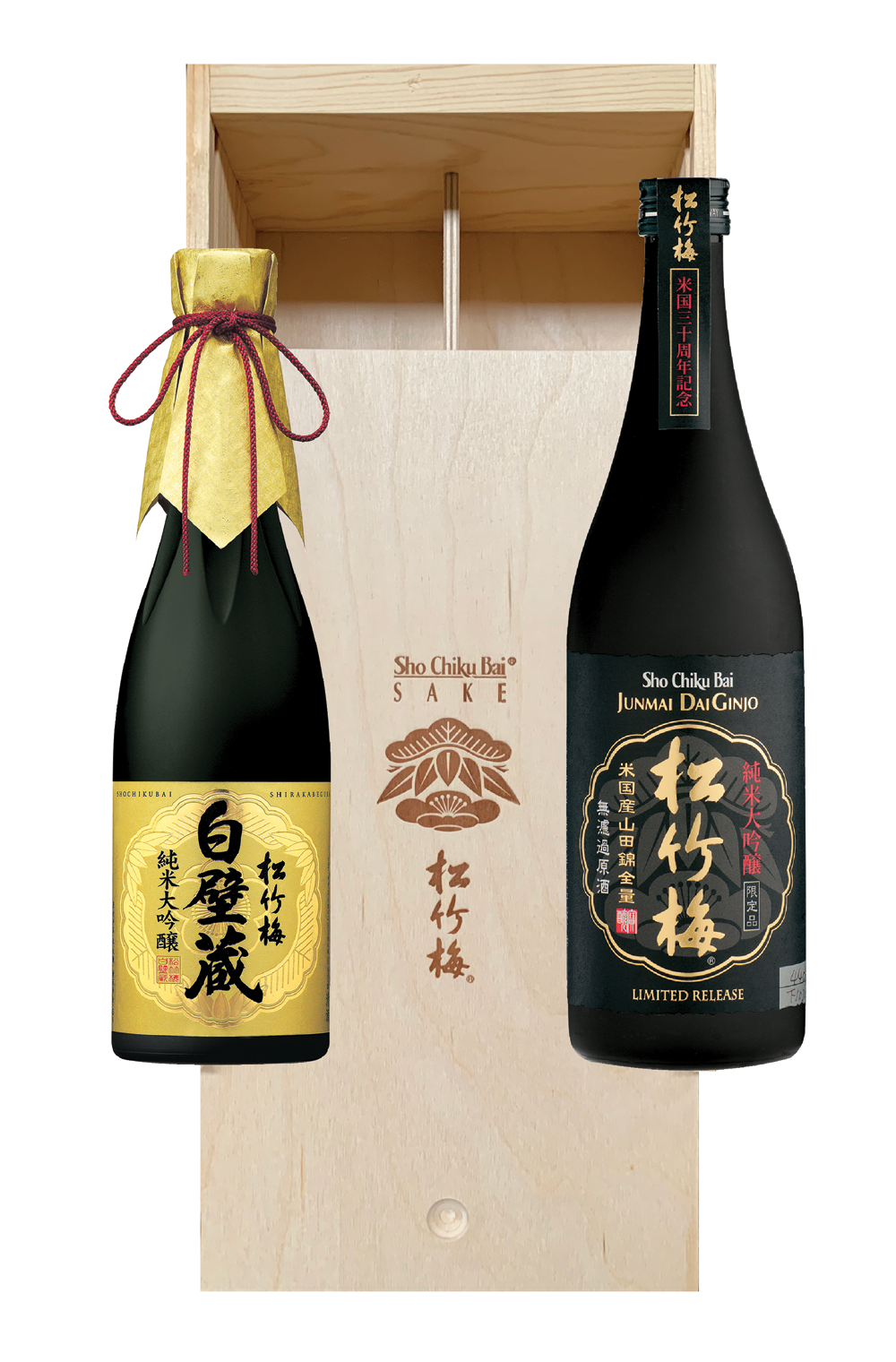
## Sake
Sake is a traditional Japanese alcoholic beverage brewed from polished rice, water, kōji mold, and yeast. Often referred to as “Japanese rice wine,” it is technically brewed more like beer, where starch is converted into sugars before fermentation. Renowned for its versatility and umami depth, sake holds cultural and culinary significance in Japan and abroad.
### Key facts
* **Main ingredients:** Rice, water, kōji mold, yeast
* **Alcohol content:** Typically 14–16% ABV
* **Primary types:** Junmai, Ginjo, Daiginjo, Nigori, Nama-zake
* **Serving temperatures:** Chilled (~10°C), room (~20°C), or warm (~40–45°C) depending on style
* **Japanese term:** Nihonshu (“Japanese alcohol”)
### Brewing and characteristics
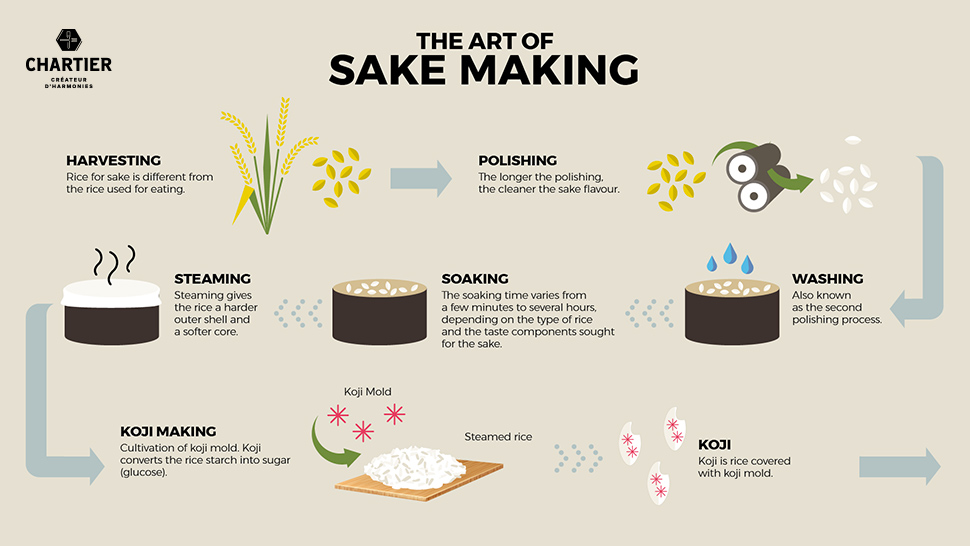
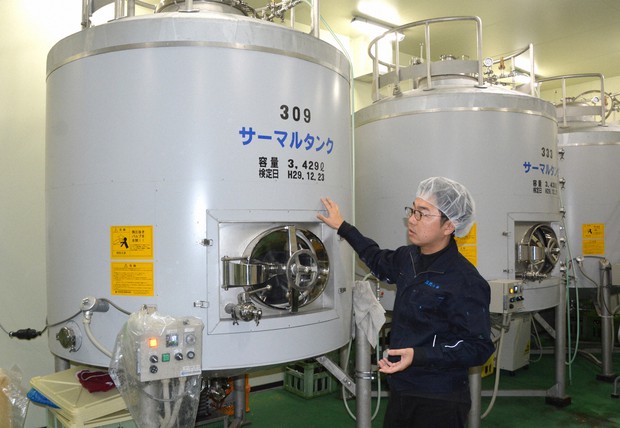
Sake production begins with rice milling—the more the grain is polished, the cleaner and more refined the resulting flavor. After steaming and inoculating part of the rice with kōji mold, simultaneous saccharification and fermentation convert starch into alcohol. The beverage is then pressed, filtered, and often pasteurized. Its flavor profile ranges from dry and crisp to rich and fruity, influenced by rice strain, water mineral content, and fermentation temperature.
### Types and flavor profiles
Junmai sakes, made purely from rice without added alcohol, tend to have full-bodied, earthy flavors. Ginjo and Daiginjo varieties, brewed with highly polished rice and cool fermentation, yield delicate, aromatic notes of fruit and flowers. Nigori is unfiltered and milky, while Nama-zake is unpasteurized, offering a lively, fresh taste. Aged (koshu) sakes develop amber hues and nutty, oxidative complexity.
### Serving and pairing
Temperature profoundly affects perception: chilling enhances crispness and aroma, while warming softens acidity and brings out umami. Sake’s low acidity and rich amino acids make it exceptionally food-friendly. It pairs naturally with sushi, sashimi, grilled fish, and tempura but also complements cheeses, roasted meats, and spicy or creamy dishes. Japanese culinary wisdom holds that “sake does not fight with food,” underscoring its adaptability across cuisines([JapanTravel][1]).
### Cultural and modern relevance
Beyond dining, sake remains integral to Japanese rituals—from Shinto offerings to celebratory “kagami-biraki” ceremonies. Today, global breweries and sommeliers are exploring new styles and pairings, positioning sake as both a heritage drink and a contemporary gastronomic companion.
[1]: https://en.japantravel.com/hyogo/pairing-sake-with-food/37171?utm_source=chatgpt.com "Pairing Sake with Food - Hyogo - Japan Travel"
===============================================================
## 🍶 Complete Classification System of Sake (30+ Styles)
### Introduction
The classification of sake is based on **four main parameters**:
1. **Rice polishing ratio (精米歩合 – Seimai Buai)**
2. **Addition of distilled alcohol**
3. **Filtration and processing method**
4. **Aging and specialty production techniques**
Under the Japanese **Quality Sake system (特定名称酒 – Tokutei Meishō-shu)** and additional traditional categories, more than **30 distinct styles** can be identified.
---
# 1. Premium Sake Classification (Tokutei Meishō-shu)
These are the **eight official premium categories** defined by Japanese regulations.
| Style | Japanese | Rice Polishing Ratio | Alcohol Added |
| ----------------- | -------- | ---------------------- | ------------------ |
| Junmai sake | 純米酒 | ≤70% | No |
| Tokubetsu Junmai | 特別純米酒 | ≤60% or special method | No |
| Junmai Ginjo | 純米吟醸 | ≤60% | No |
| Junmai Daiginjo | 純米大吟醸 | ≤50% | No |
| Honjozo sake | 本醸造 | ≤70% | Yes (small amount) |
| Tokubetsu Honjozo | 特別本醸造 | ≤60% or special method | Yes |
| Ginjo sake | 吟醸酒 | ≤60% | Yes |
| Daiginjo sake | 大吟醸酒 | ≤50% | Yes |
---
# 2. Standard / Table Sake Category
| Style | Description |
| --------- | ------------------------------------ |
| Futsu-shu | Most common commercial sake |
| Sanzo-shu | Alcohol, sugar, and flavor additions |
---
# 3. Unfiltered and Minimal Processing Styles
| Style | Japanese | Characteristics |
| ----------- | -------- | ------------------------------------- |
| Nigori sake | にごり酒 | Coarsely filtered, cloudy |
| Muroka sake | 無濾過 | No charcoal filtration |
| Nama sake | 生酒 | Not pasteurized |
| Namazume | 生詰 | Pasteurized once before bottling |
| Namachozo | 生貯蔵 | Stored unpasteurized then pasteurized |
| Origarami | おりがらみ | Slight sediment remains |
| Arabashiri | 荒走り | First pressing fraction |
---
# 4. Pressing Fraction Styles
During pressing, three fractions can be separated.
| Style | Meaning |
| ---------- | ----------------------- |
| Arabashiri | First free-run portion |
| Nakadori | Middle, highest quality |
| Seme | Final stronger press |
---
# 5. Aging Styles
| Style | Japanese | Characteristics |
| ----------- | -------- | --------------------- |
| Koshu | 古酒 | Aged several years |
| Jukusei-shu | 熟成酒 | Extended maturation |
| Taruzake | 樽酒 | Aged in cedar barrels |
---
# 6. Specialty Production Styles
| Style | Description |
| ------------ | --------------------------------------- |
| Genshu | Bottled without dilution (18–20% ABV) |
| Kimoto sake | Traditional lactic fermentation starter |
| Yamahai sake | Natural lactic acid development |
| Sokujo sake | Lactic acid added directly |
| Doburoku | Ancient farmhouse style |
---
# 7. Modern and Specialty Sake Styles
| Style | Characteristics |
| ---------------- | ------------------------------------ |
| Sparkling sake | Naturally or artificially carbonated |
| Low-alcohol sake | 8–12% ABV |
| Kijoshu | Brewed with sake replacing water |
| Red rice sake | Uses red rice varieties |
| Organic sake | Organic rice and methods |
---
# 8. Seasonal Release Styles
| Style | Characteristics |
| ---------- | --------------------------- |
| Shinshu | Freshly brewed |
| Hiyaoroshi | Summer-aged, autumn release |
---
# 9. Overall Hierarchical Classification
**Alcoholic Beverage**
→ **Fermented Beverage**
→ **Cereal Fermentation Beverage**
→ **Rice Fermentation Beverage**
→ **Sake**
**Sake subclasses**
1. Premium sake (Tokutei Meisho-shu)
2. Standard sake
3. Processing styles
4. Pressing fraction styles
5. Aging styles
6. Starter method styles
7. Specialty / modern styles
8. Seasonal styles
Visual Aspects
Aroma
Taste
Conclusion
Aroma and Taste
Pairing
Composition
0

Serving
0
Classifications
Fermented Beverage
Type
Sake

Japan
Reference
- Filter items with TitleFilter items with Vintage
Related Products
[PRODUCTS #]
- 24-hour front deskFree WiFiParkingBreakfastPoolGym
