0
0
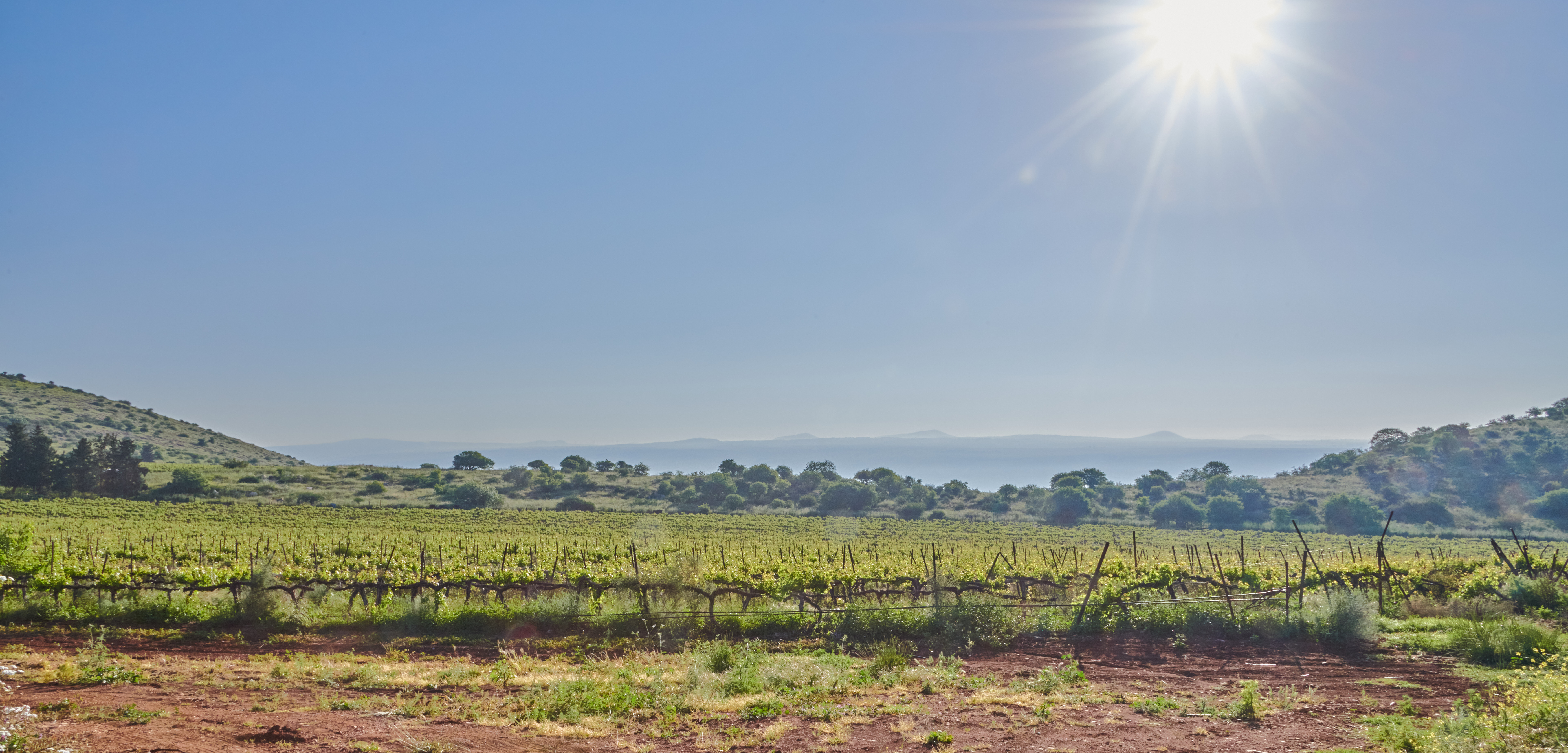

Add a Title
[DESCRIPTION]
0
[CATEGORY]
[DESCRIPTION]
0
Israel's wine industry has a history that dates back to biblical times, yet it has undergone a remarkable transformation in the last few decades, evolving into a world-class wine-producing region. The modern Israeli wine industry has been influenced by both its ancient roots and innovative winemaking techniques, drawing attention from wine enthusiasts around the globe. Here's an introduction to the wines of Israel, covering its history, regions, grape varieties, and notable wineries.
History
The history of winemaking in Israel is among the oldest in the world, with evidence of wine production dating back over 5,000 years. However, the industry faced numerous challenges and declines over the centuries, especially under Muslim rule, when alcohol production and consumption were restricted. The revival of Israeli wine began in the late 19th century with the arrival of Baron Edmond James de Rothschild, owner of the famous Château Lafite Rothschild in France. He brought French grape varieties and winemaking expertise to Israel, laying the foundation for the modern Israeli wine industry.
### Wine Regions
Israel's wine regions are diverse, each with its unique climate and terroir, contributing to the wide variety of wines produced in the country. The main wine regions include:
- **Galilee (Galil)**: Including the Golan Heights, this is considered one of the premier wine-growing regions in Israel, known for its high altitude, cool climate, and volcanic soil. It produces high-quality wines from a variety of grapes.
- **Judean Hills**: Surrounding Jerusalem, this region benefits from a cooler climate and higher elevation, ideal for growing grapes such as Cabernet Sauvignon, Merlot, and Chardonnay.
- **Samson**: Located between Jerusalem and Tel Aviv, this region includes the coastal plains and produces a wide range of wine styles.
- **Negev**: Despite its desert conditions, innovative irrigation techniques have made wine production possible, with an emphasis on hardy varietals adapted to the arid climate.
- **Shomron (Samaria)**: Home to some of the country's largest wineries, this region's wine production is boosted by its rich, fertile soil and Mediterranean climate.
### Grape Varieties
Israeli winemakers grow a variety of grapes, including international varieties and those indigenous to the region. Commonly grown varieties include:
- **Cabernet Sauvignon**
- **Merlot**
- **Syrah/Shiraz**
- **Chardonnay**
- **Sauvignon Blanc**
There is also interest in reviving ancient grape varieties native to the region, such as Marawi and Jandali, which are gaining attention for their unique characteristics and connection to the land's winemaking heritage.
### Notable Wineries
The Israeli wine industry boasts numerous wineries ranging from large-scale operations to small boutique establishments. Some notable wineries include:
- **Golan Heights Winery**: A pioneer in modern Israeli winemaking, known for its quality wines and innovative practices.
- **Carmel Winery**: One of the oldest and largest wineries in Israel, established by Baron Edmond James de Rothschild.
- **Domaine du Castel**: A boutique winery in the Judean Hills producing high-quality Bordeaux-style wines.
- **Tzora Vineyards**: Known for its terroir-driven wines, it highlights the unique characteristics of the Judean Hills region.
### Wine Culture and Kosher Wine
Wine plays a significant role in Jewish culture and religious ceremonies, leading to a strong market for kosher wines. Kosher wine production adheres to strict guidelines supervised by rabbinical authorities, ensuring they meet religious dietary laws. While Israel is renowned for its kosher wines, many wineries also produce wines that are not certified kosher, catering to a broad audience.
### Conclusion
The wines of Israel are a testament to the country's rich history, diverse terroir, and the ingenuity of its winemakers. From the ancient terraces of the Judean Hills to the innovative vineyards of the Negev desert, Israel offers a wide range of wines that reflect its unique heritage and the dynamic spirit of its wine industry. Whether exploring its kosher wines or discovering the unique flavors of its indigenous grape varieties, Israel's wine scene presents an exciting adventure for wine lovers around the world.
-------------------------------------------------------------------------
Israel's winemaking history dates back thousands of years, but the modern Israeli wine industry began to emerge in the late 19th and early 20th centuries. Today, Israel is known for producing a diverse range of high-quality wines that have garnered international acclaim. The country's unique geographical and climatic conditions, from the cool heights of the Golan Heights to the scorching Negev desert, allow for the cultivation of a wide variety of grapes.
Israeli wines are often classified by their regions: Galilee (including Golan Heights), which is the most northern and generally considered the premier wine-making region of Israel due to its cool climate; the Judean Hills, surrounding Jerusalem, where the high elevation contributes to a cooler climate; and the coastal plains, including areas like Shomron and Samson, which are warmer and more humid. The Negev desert, despite its arid conditions, has also been making strides in viticulture through innovative irrigation techniques.
The wine industry in Israel includes both large-scale operations known for their technological innovation and small boutique wineries that focus on artisanal techniques. Kosher wines play a significant role in the market, adhering to strict production standards that satisfy Jewish dietary laws, yet their quality and complexity have made them appealing to a wider audience beyond those seeking kosher certification.
Varietals popular in Israel include international grapes like Cabernet Sauvignon, Merlot, and Chardonnay, alongside Mediterranean varieties such as Syrah, Carignan, and Viognier. Indigenous grapes like Marawi and Dabouki are also gaining attention for their unique characteristics and connection to the region's winemaking heritage.
Israeli wines have received numerous awards and recognition in international competitions, reflecting the country's growing reputation as a producer of world-class wines. Wine tourism is flourishing, with wineries offering tastings and tours that showcase the beauty and diversity of Israel's wine regions.
-------------------------------------------------------------------------
Has some historically defined wine regions:
1. North
Galilee
Golan Heights
Ezriel Valley
2. Center
Coatal
Jerusalem Hills
3. South
3.1. Negev
========================================================
Israel Wine Region: Technical Profile
Israel is one of the oldest winemaking regions in the world, with a winemaking history that dates back thousands of years. Today, it is recognized for its dynamic wine industry, which blends ancient traditions with modern viticulture and winemaking techniques.
Geographic and Climatic Characteristics
Location:
- Situated in the Eastern Mediterranean, Israel spans diverse climates and terrains.
- Latitudes: Between 29° and 33° N.
Climate:
- Type: Mediterranean with arid and semi-arid zones.
- Temperature:Summers: Hot and dry (30-35°C or 86-95°F).
Winters: Mild and rainy (5-15°C or 41-59°F). - Rainfall: Concentrated in winter, averaging 400-900 mm annually, depending on the region.
- Challenges:Water scarcity.
Heat stress during summer.
Irrigation is essential in most areas.
Soil Types:
- Varied soils, including:Terra rossa.
Limestone and chalk.
Basalt (volcanic).
Sandy loam and alluvial deposits. - These soils contribute to the diverse expressions of terroir in Israeli wines.
Topography:
- Features hills, mountains, valleys, and coastal plains.
- Elevation ranges from below sea level in the Jordan Valley to over 1,000 meters in the Upper Galilee.
Viticultural Characteristics
Grape Varieties:
- International Varieties:Reds: Cabernet Sauvignon, Merlot, Syrah, Petit Verdot, Cabernet Franc.
Whites: Chardonnay, Sauvignon Blanc, Viognier, Gewürztraminer. - Indigenous/Regional Varieties:Dabouki, Marawi (ancient white varieties).
Argaman (modern red hybrid).
Vineyard Practices:
- Irrigation: Widely used due to low rainfall.
- Canopy Management: Essential to prevent heat stress and sunburn.
- Organic/Biodynamic Farming: Increasingly adopted in modern vineyards.
Harvesting:
- Manual and mechanical harvesting are both practiced.
- Timing is critical due to high temperatures and rapid sugar accumulation.
Wine Regions
Israel has five recognized wine regions, each with unique characteristics:
- Galilee (Upper Galilee and Golan Heights):Climate: Cool and high-altitude (400-1,200 meters).
Soil: Basalt and volcanic soils.
Key Varieties: Cabernet Sauvignon, Merlot, Syrah, Chardonnay.
Style: Complex, structured wines with aging potential. - Judean Hills:Climate: Mediterranean, with cooler nights at higher elevations (500-1,000 meters).
Soil: Limestone and terra rossa.
Key Varieties: Cabernet Sauvignon, Syrah, Merlot, Chardonnay.
Style: Balanced, elegant wines. - Samson (Shfela and Coastal Plain):Climate: Warm and humid.
Soil: Sandy loam and alluvial soils.
Key Varieties: Cabernet Sauvignon, Merlot, Argaman.
Style: Fruity, approachable wines. - Negev Desert:Climate: Arid, with hot days and cool nights.
Soil: Sandy and loess soils.
Key Varieties: Syrah, Petite Sirah, Viognier.
Style: Concentrated, bold wines. - Shomron (Carmel and Coastal Plains):Climate: Mediterranean with moderate temperatures.
Soil: Limestone and clay.
Key Varieties: Cabernet Sauvignon, Merlot, Chardonnay.
Style: Fresh, fruit-driven wines.
Winemaking Characteristics
Styles:
- Reds: Full-bodied, rich, and fruit-driven, with increasing emphasis on balance and terroir expression.
- Whites: Crisp and aromatic, with styles ranging from fresh to barrel-fermented.
- Rosé: Dry and fruit-forward, reflecting Mediterranean influences.
- Dessert Wines: Made from late-harvest or sun-dried grapes.
- Sparkling Wines: Produced in limited quantities using traditional methods.
Technological Advances:
- Use of advanced irrigation and water management systems.
- Precision viticulture for canopy and soil management.
- State-of-the-art winemaking facilities.
Aging:
- Oak aging is common, with a mix of French, American, and Hungarian barrels.
- Increasing use of neutral oak and amphorae to highlight varietal and terroir character.
Technical Analysis of Israeli Wines
- Alcohol: Typically 13-15% ABV.
- Acidity: Moderate to high, maintaining freshness despite the warm climate.
- pH: 3.3-3.6 (whites); 3.5-3.8 (reds).
Industry and Trends
- Kosher Certification: A significant proportion of Israeli wines are kosher, catering to global Jewish communities.
- Sustainability: Growing focus on organic and sustainable practices.
- Exports: Key markets include the U.S., Europe, and Asia.
- Innovation: Revival of indigenous varieties like Marawi and experimentation with ancient winemaking techniques.
Notable Producers
- Golan Heights Winery (Galilee)
- Tzora Vineyards (Judean Hills)
- Barkan Winery (Samson)
- Carmel Winery (Shomron)
- Yatir Winery (Negev Desert)
Let me know if you'd like further details on specific regions, wineries, or grape varieties!
- Area
5,500 ha
AspectDiverse; higher-quality sites often north- and west-facing to reduce heat exposure
[SOIL]
Soil
Climate
[CLIMATE]
- Established
6000 BC
Production40 000 000 btl
Area5,500 ha
AspectDiverse; higher-quality sites often north- and west-facing to reduce heat exposure
Country
Israel

Israel
Classifications
Appellation
Country
Elevation
Aspect
Diverse; higher-quality sites often north- and west-facing to reduce heat exposure
Inclination
Established
Production
Area
Subregions
6000 BC
40 000 000 btl
5,500 ha
0
Established
Production
Area
Subregions
[ESTABLISHED]
[PRODUCTION]
[AREA]
...
Established
Production
Cellar Master
Kosher
[ESTABLISHED]
[PRODUCTION]
[WINEMAKER]
[KOSHER]
Elevation
[ELEVATION]
Aspect
[ASPECT]
Inclination
[INCLINATION]
Style(s)
[STYLE]
Reference
