

0
0
0
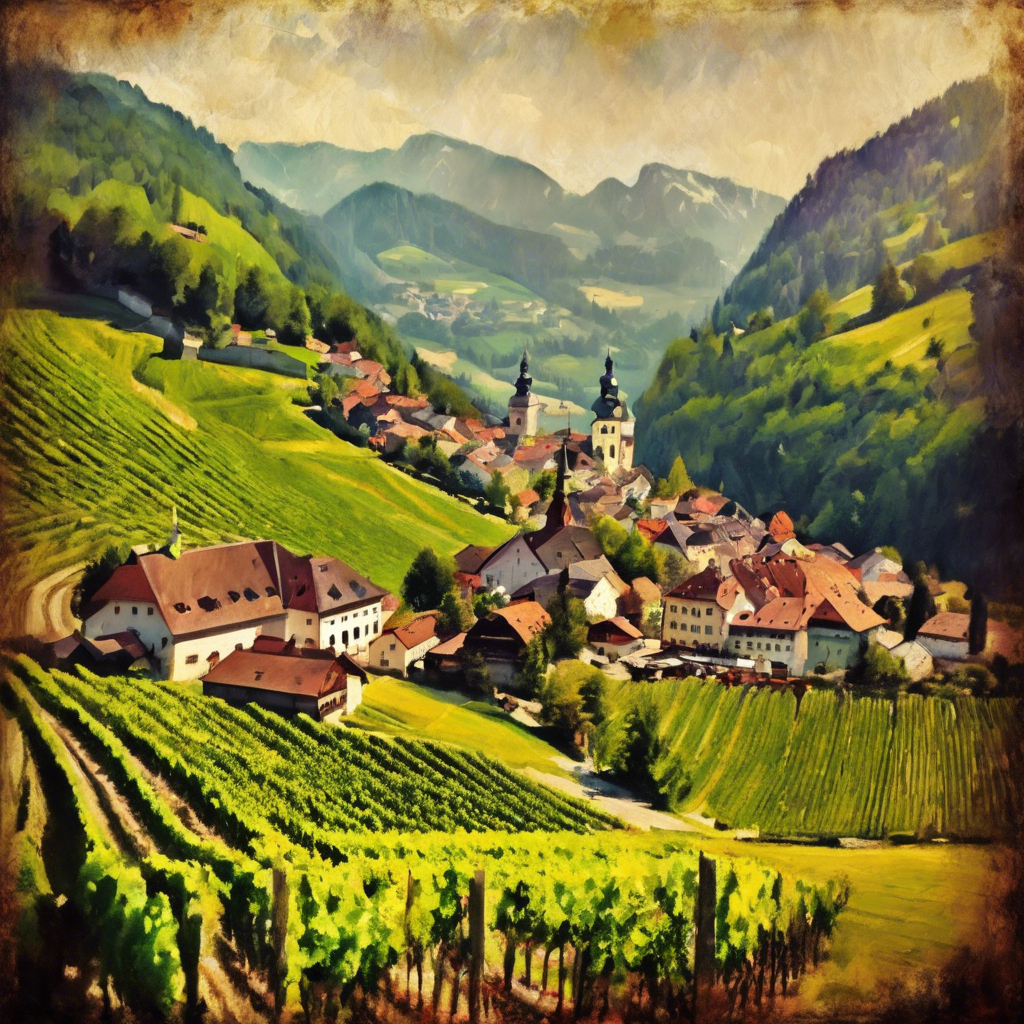
Austria holds a distinguished position in the world of wine, celebrated for its high-quality and diverse wine offerings, with a winegrowing heritage that dates back to before Roman times. This central European country has carved out a niche on the global stage, particularly known for its white wines, but also gaining recognition for its reds. The Austrian wine industry combines traditional winemaking practices with modern techniques, adhering to some of the strictest wine laws and standards to ensure quality and authenticity.
(30,400 ha white grape varieties)
- **Geographical Diversity:** Austria's wine regions benefit from a variety of climates and soils, ranging from the cool, alpine influences in the west to the warmer, Pannonian climate in the east. This diversity allows for a wide range of wine styles.
- **Focus on White Varietals:** Grüner Veltliner is Austria's signature grape, accounting for about a third of the country's vineyards. It produces distinctive, aromatic wines with peppery, citrus, and sometimes mineral notes. Other important white varieties include Riesling, known for its purity and depth, particularly from regions like Wachau, Kamptal, and Kremstal, as well as international varieties such as Chardonnay (locally known as Morillon) and Sauvignon Blanc.
- **Red Wine Production:** While Austria is predominantly known for its white wines, red varieties are also gaining ground. Zweigelt, Blaufränkisch, and St. Laurent are the most prominent, producing wines that range from light and fruity to complex and age-worthy.
- **Quality Classification System:** Austria has a precise wine classification system, emphasizing quality and origin. The DAC (Districtus Austriae Controllatus) system, akin to the French AOC system, regulates the typicity and quality of wines from specific regions.
- **Organic and Biodynamic Practices:** Austrian winemakers are at the forefront of organic and biodynamic practices, with a strong emphasis on sustainability and environmental stewardship. The country boasts one of the highest percentages of organic vineyard area in the world.
- **Innovative and Traditional Winemaking:** Austrian winemakers skillfully blend innovation with tradition, employing modern winemaking technologies while respecting historic practices. This includes the use of stainless steel for purity and freshness in whites, as well as oak aging for complexity in both whites and reds.
- **Sweet Wines:** Austria also produces exceptional sweet wines, particularly from the regions of Burgenland and Styria, including late harvest wines, Icewine (Eiswein), and botrytized wines (Trockenbeerenauslese).
- **Regulatory Rigor:** Austrian wines are subject to stringent regulations and quality checks, which include taste tests and chemical analyses. After a wine scandal in the 1980s, Austria implemented some of the strictest wine laws in the world, rebuilding its reputation on the principles of quality and transparency.
- **Global Recognition:** Austrian wines, though representing a small fraction of global wine production, have earned a prestigious reputation internationally. Austria's focus on quality over quantity, along with its unique varietals and styles, have garnered attention and respect from wine enthusiasts and professionals around the world.
Austria's commitment to quality, its unique grape varieties, and the distinctiveness of its wine regions ensure its place as a significant and revered wine-producing country on the world stage.
- Area
44,537 ha
[SOIL]
Soil
Climate
[CLIMATE]
0
0
Classifications

- Area
44,537 ha
Subregions...
Country
Austria
Austria
Appellation
Country
Terroir
Elevation
Aspect
Inclination
Established
Production
Area
Subregions
44,537 ha
0
Reference
Wines/Products
[PRODUCTS #]

Austria
44,537 ha
1


[APPELLATION]
MAP
0
