

0
0
0
Brazil is the largest wine producer in South America after Argentina and Chile, with a diverse wine industry that spans multiple regions. Though historically known for bulk and sparkling wines, Brazil has gained recognition for high-quality reds, whites, and traditional-method sparkling wines. Its varied climate, from temperate in the south to tropical in the northeast, allows for different styles of viticulture.
#### **Climate & Geography**
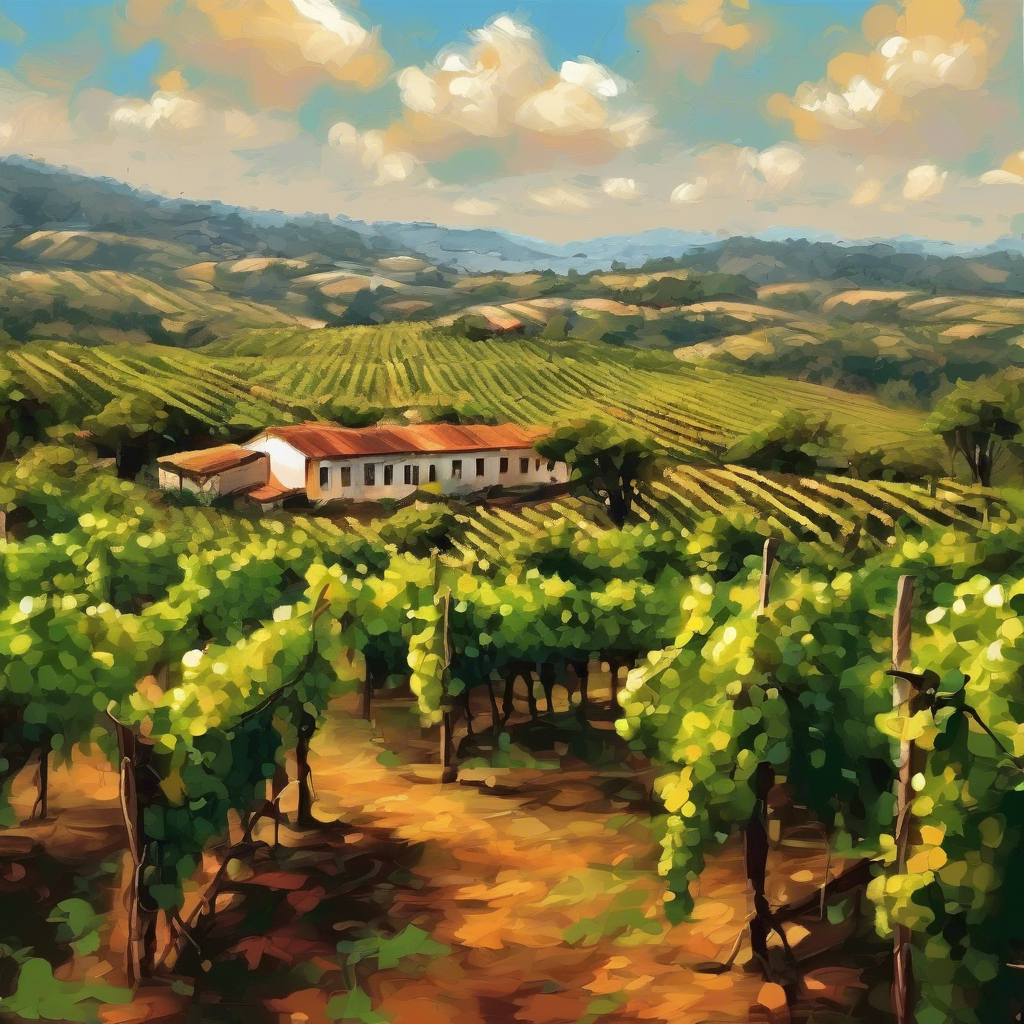
Brazil’s wine regions are primarily located in the southern states, where the climate is more temperate and suitable for viticulture. The country has a mix of oceanic, subtropical, and even tropical climates, requiring innovative vineyard management techniques such as double harvests in some areas. Key wine-producing regions include:
- **Serra Gaúcha (Rio Grande do Sul)** – The heart of Brazil’s wine industry, producing high-quality sparkling wines and European-style reds and whites.
- **Serra do Sudeste & Campanha Gaúcha** – Known for bold reds, particularly Merlot, Cabernet Sauvignon, and Tannat.
- **Vale do São Francisco (Northeast)** – A tropical wine region that produces two harvests per year, specializing in Syrah, Moscato, and Chenin Blanc.
- **Planalto Catarinense (Santa Catarina)** – A high-altitude region producing elegant cool-climate wines, including Chardonnay and Pinot Noir.
#### **Grape & Wine Production**
Brazil cultivates both international and hybrid grape varieties. The most planted include:
- **Red Grapes:** Merlot, Cabernet Sauvignon, Tannat, Syrah
- **White Grapes:** Chardonnay, Moscato, Riesling, Sauvignon Blanc
- **Hybrid & Native Varieties:** Isabel and Bordô (used for local table wines)
Brazil is particularly renowned for its sparkling wines, produced using both the traditional and Charmat methods. The cool-climate conditions in Serra Gaúcha contribute to crisp acidity and refined bubbles, making these sparklers some of South America's best.
#### **Notable Wineries & Producers**
Brazil’s wine industry includes a mix of large-scale producers and boutique wineries. Some of the most notable include:
- **Miolo Wine Group** – A leader in fine wine production, known for both still and sparkling wines.
- **Casa Valduga** – Specializing in premium sparkling and red wines.
- **Aurora Winery** – One of Brazil’s largest cooperatives, producing a variety of styles.
- **Salton** – A historic winery famous for its traditional-method sparkling wines.
#### **Wine Tourism & Culture**
Brazil’s wine tourism is well-developed, particularly in Serra Gaúcha, where the **Vale dos Vinhedos** (Valley of Vineyards) is the country’s most famous wine route. Visitors can tour vineyards, participate in wine festivals, and experience the local Italian-Brazilian winemaking heritage. The **Festa da Uva (Grape Festival)** in Caxias do Sul is a major cultural event celebrating Brazil’s wine industry.
#### **Future of Brazilian Winemaking**
Brazil’s wine industry is evolving, with increasing investment in high-quality wines and a growing presence in global markets. As techniques improve and more focus is placed on fine wines, Brazil is positioned to become a stronger player in the international wine scene, particularly for sparkling wines and elegant cool-climate reds.
[SOIL]
Soil
Climate
[CLIMATE]
0
0
Classifications

- Subregions
...
Country
Brazil
Brazil
Appellation
Country
Terroir
Elevation
Aspect
Inclination
Established
Production
Area
Subregions
0
Wines/Products
[PRODUCTS #]

Brazil
1


[APPELLATION]
MAP
0
