

0
0
0
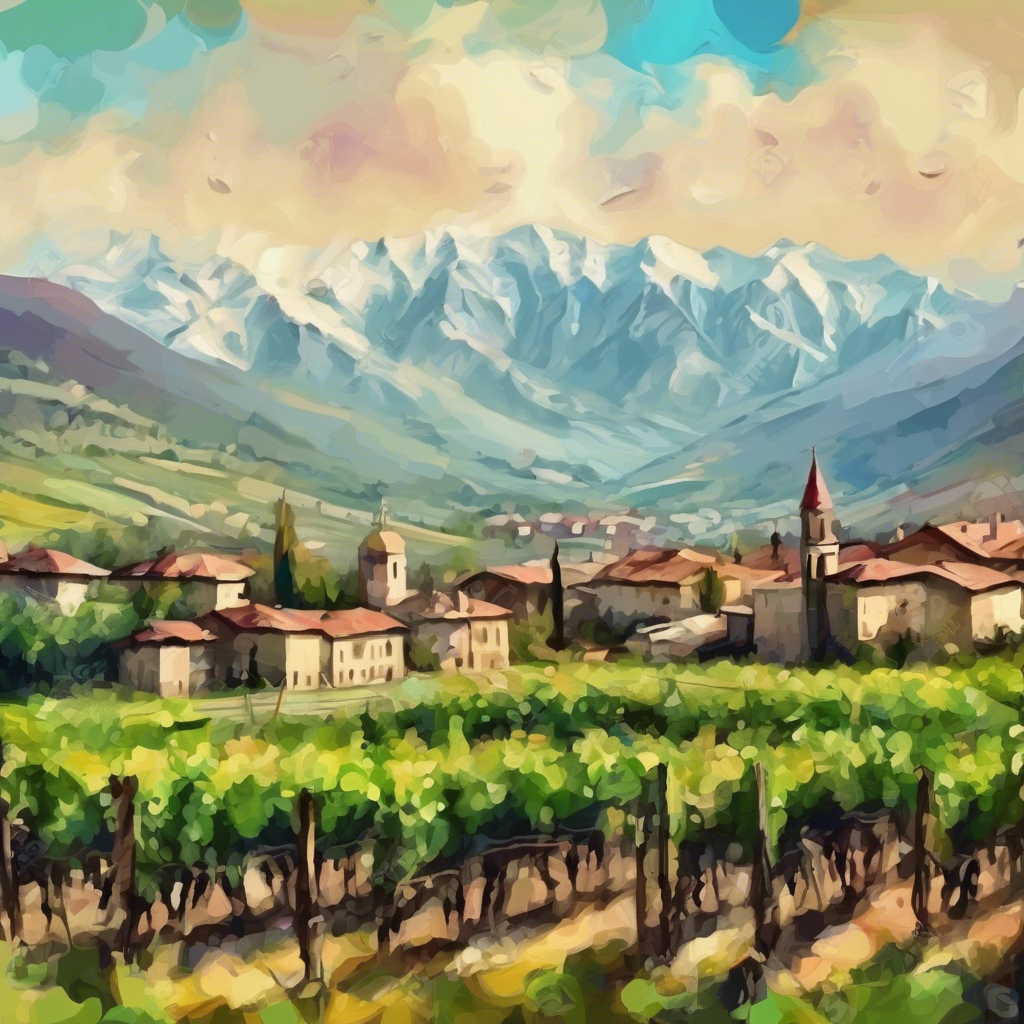
The **Caucasus wine region** spans **Georgia, Armenia, Azerbaijan, and parts of Russia (Dagestan, Krasnodar, Stavropol)**. It is considered one of the **oldest wine-producing regions in the world**, with over **8,000 years of winemaking history**. The region benefits from a mix of **mountainous terrain, river valleys, and a diverse climate**, ideal for viticulture.
- **Latitude:** 38°–46°N (comparable to Bordeaux and Northern Italy).
- **Climate:** Continental to temperate; maritime influences in western regions (Georgia).
- **Average Temperature:** **10–16°C**, with cold winters and warm summers.
- **Rainfall:** **400–1,200 mm annually**, with western Georgia receiving more precipitation.
- **Altitude Range:** **200–1,700m**, with high-altitude vineyards producing fresh, aromatic wines.
- **Soil Types:**
- **Limestone & Marl:** Found in Kakheti (Georgia) and Ararat Valley (Armenia), adding minerality.
- **Volcanic Soils:** Present in Armenia and parts of Azerbaijan, enhancing wine complexity.
- **Alluvial Soils:** Found along river valleys, supporting vigorous vine growth.
#### **Key Wine Regions**
1. **Georgia:**
- **Kakheti** – The heart of Georgian winemaking; home to Qvevri-aged wines.
- **Imereti & Racha-Lechkhumi** – Producing fresh, floral whites and semi-sweet reds.
- **Kartli** – Notable for sparkling wines and European-style reds.
2. **Armenia:**
- **Ararat Valley** – Warm climate, known for **Areni Noir** and white Voskehat.
- **Vayots Dzor** – Home to the world’s **oldest winery (Areni-1 Cave, ~6,100 years old).**
3. **Azerbaijan:**
- **Shirvan & Ganja** – Producing bold reds from **Madrasa and Saperavi**.
- **Nakhchivan** – Dry, desert-like conditions yielding concentrated wines.
4. **Russia (North Caucasus):**
- **Krasnodar & Stavropol** – Major wine-producing areas, with a mix of indigenous and international varieties.
- **Dagestan** – Produces fortified and dessert wines, influenced by the Caspian Sea.
#### **Key Grape Varieties**
##### **Indigenous Grapes:**
- **White:**
- **Rkatsiteli (Georgia, Armenia, Azerbaijan)** – High-acid, citrus, and floral notes.
- **Mtsvane (Georgia)** – Aromatic, often blended with Rkatsiteli.
- **Voskehat (Armenia)** – Elegant, mineral-driven with stone fruit flavors.
- **Red:**
- **Saperavi (Georgia, Azerbaijan)** – Deep color, high tannins, suitable for aging.
- **Areni Noir (Armenia)** – Elegant, Pinot Noir-like, with red fruit and spice.
- **Madrasa (Azerbaijan)** – Rich, velvety, with dark berry notes.
##### **International Varieties:**
- **White:** Chardonnay, Sauvignon Blanc, Aligoté.
- **Red:** Cabernet Sauvignon, Merlot, Syrah.
#### **Wine Styles & Characteristics**
1. **Traditional Qvevri Wines (Georgia)** – Fermented and aged in clay vessels buried underground, producing complex, tannic white and red wines.
2. **Dry Whites (Armenia, Georgia)** – High-altitude wines with **crisp acidity and minerality**.
3. **Full-bodied Reds (Georgia, Azerbaijan, Armenia)** – Bold, tannic wines, especially from **Saperavi and Areni Noir**.
4. **Semi-Sweet & Dessert Wines (Russia, Georgia, Armenia)** – Produced from late-harvest or sun-dried grapes.
5. **Sparkling Wines (Russia, Georgia, Armenia)** – Kartli and Krasnodar specialize in **traditional-method sparkling wines**.
#### **Viticultural & Winemaking Practices**
- **Qvevri Fermentation (Georgia):** Ancient clay vessel aging, contributing tannic structure and complexity.
- **Organic & Biodynamic Practices:** Increasing in Georgia and Armenia.
- **Hand-Harvesting:** Common due to mountainous terrain.
- **Minimal Irrigation:** Many vineyards rely on natural rainfall.
- **Aging:** Oak, Qvevri, and stainless steel used, depending on the style.
#### **Production & Market Trends**
- **Total Vineyard Area:** ~200,000 ha across the Caucasus.
- **Annual Production:** ~7–8 million hectoliters.
- **Export Markets:** EU, USA, China, Russia.
- **Sustainability:** Growing focus on **organic winemaking** and **preservation of indigenous varieties**.
The **Caucasus wine region** is a **rising star in global viticulture**, blending **ancient winemaking traditions with modern techniques**, producing **distinctive, terroir-driven wines** that appeal to both **heritage-focused and premium wine markets**.
[SOIL]
Soil
Climate
[CLIMATE]
0
0
Classifications
- Subregions
...
Country
Caucasus

Wordwide
Appellation
Country
Terroir
Elevation
Aspect
Inclination
Established
Production
Area
Subregions
0
Reference
Wines/Products
[PRODUCTS #]

Caucasus
1


[APPELLATION]
MAP
0
