

0
0
0
Italian wine is crafted in every region of Italy, showcasing the country's rich viticultural heritage. Italy stands as the largest global producer of wine, cultivating vineyards across a vast area of 674,000 hectares. With an impressive annual average of 48.3 million hectoliters of wine from 2013 to 2017, Italy remains a powerhouse in the wine industry. In 2018, Italy's wine production accounted for a substantial 19 percent of the global total, surpassing both France (17 percent) and Spain (15 percent).
This proud tradition of winemaking extends to both international markets and domestic consumption. Italians, known for their appreciation of wine, consume an average of 42 liters per capita, securing Italy's position as the fifth-highest consumer of wine in the world.
The roots of viticulture and winemaking in Italy stretch far back in history, predating even the presence of Phoenician, Etruscan, and Greek settlers. These ancient cultures contributed to Italy's winemaking legacy, laying the groundwork for the Romans, who further expanded viticultural areas using advanced techniques. The Romans, with their efficient methods, significantly increased the extent of Italy's vineyards, leaving an enduring impact on the country's winemaking practices.
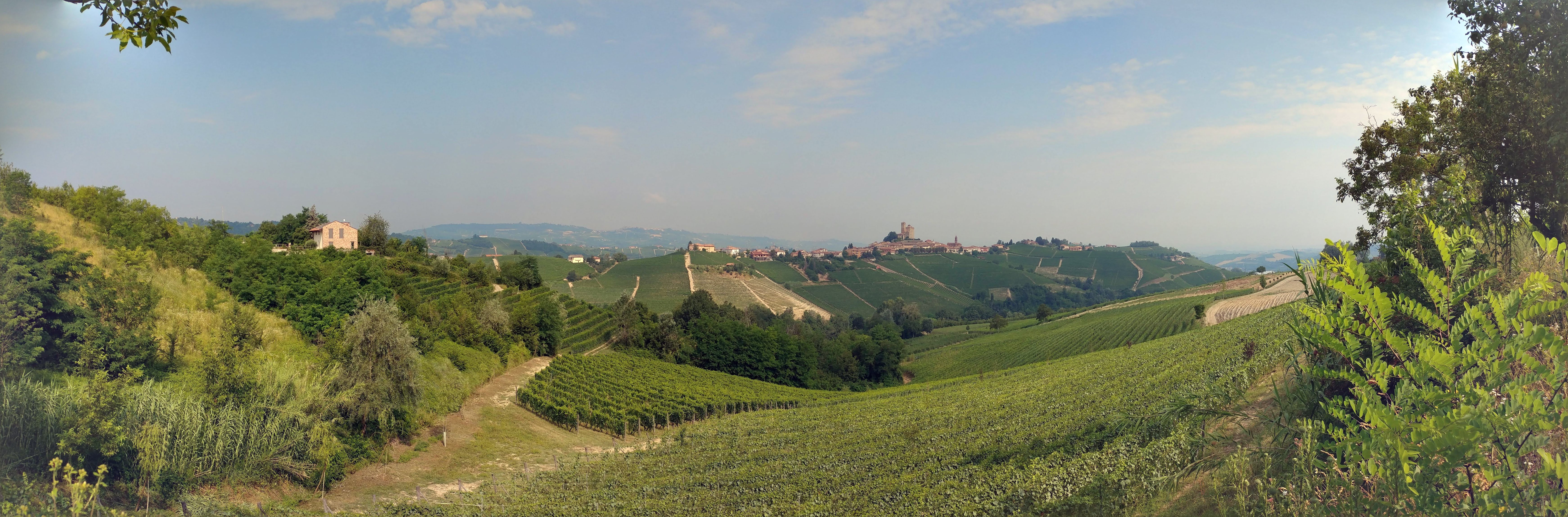
Today, Italian wine continues to captivate enthusiasts worldwide with its diverse varieties, terroirs, and craftsmanship. From the northern regions like Piedmont and Veneto to the southern landscapes of Sicily and Puglia, each area contributes unique characteristics to Italy's vinous tapestry. As Italy's winemakers draw upon a rich history and embrace modern innovations, the country remains at the forefront of global wine culture, offering a wide spectrum of flavors and styles to delight connoisseurs and novices alike.
---------------------------------------
Italy stands as one of the most diverse and historic wine-producing countries in the world, deeply woven into the country's culture and lifestyle. With a winemaking history that dates back over 4,000 years, Italy has been shaped by numerous cultures and civilizations, including the Etruscans, Greeks, and Romans, each contributing to the development of Italy's viticultural and winemaking heritage. As a result, Italy offers an unparalleled range of wines, characterized by a vast array of grape varieties and wine styles, from the sparkling Proseccos of Veneto to the robust Barolos of Piedmont and the sun-kissed Primitivos of Puglia.
### Key Characteristics of Italy as a World Wine Region:
- **Biodiversity and Indigenous Grapes:** Italy is home to thousands of grape varieties, many of which are indigenous and not widely grown outside the country. This diversity includes well-known varieties such as Sangiovese, Nebbiolo, and Barbera, as well as lesser-known grapes that contribute to the unique character of Italian wines.
- **Geographical Diversity:** Italy's wine regions stretch from the Alps in the north to the Mediterranean islands of Sicily and Sardinia, encompassing a wide range of climates and terroirs. This geographical diversity allows Italy to produce a broad spectrum of wine styles, from cool-climate whites to warm-weather reds.
- **Denominazione di Origine Controllata (DOC) and Denominazione di Origine Controllata e Garantita (DOCG):** Italy's classification system, established to protect and promote its regional wine heritages, mirrors the French AOC system. The DOC and DOCG designations ensure that wines meet strict production standards and originate from specific geographic areas. There are also IGT (Indicazione Geografica Tipica) wines that offer winemakers more flexibility in terms of grape varieties and winemaking techniques.
- **Influence on International Winemaking:** Italian grape varieties and winemaking styles have had a significant influence on winemaking in other countries. Varieties like Sangiovese, Nebbiolo, and Pinot Grigio are now grown and produced around the world.
- **Wine and Culture:** In Italy, wine is deeply intertwined with daily life and cuisine. Italian wines are crafted not only to be enjoyed on their own but also to complement food, reflecting the country's rich culinary traditions.
- **Innovation and Tradition:** Italian winemaking beautifully balances tradition and innovation, with many producers employing ancient techniques alongside modern technology to create wines that respect historical practices while meeting contemporary quality standards.
- **Global Recognition and Export:** Italy is one of the largest wine producers and exporters in the world. Italian wines are celebrated internationally for their quality, diversity, and the sense of place they convey, contributing significantly to Italy's reputation in the global wine market.
- **Tourism and Wine Education:** The country's rich winemaking heritage and picturesque vineyards attract tourists from around the globe. Wine tourism is a significant aspect of Italy's economy, offering visitors the chance to experience wine production firsthand through tastings, tours, and wine-focused educational programs.
Italy's contribution to the world of wine is immense, not only in terms of volume but also in the cultural significance and diversity of its wines. The country's deep-rooted wine traditions, combined with an ongoing pursuit of quality and innovation, ensure that Italy remains at the forefront of the global wine industry.
- Area
674,030 ha
[SOIL]
Soil
Climate
[CLIMATE]
0
0
Classifications
- Production
~47.4M hl (6,440,000,000 bottles)
Area674,030 ha
Subregions...
Country
Italy

Italy
Appellation
Country
Terroir
Elevation
Aspect
Inclination
Established
Production
Area
Subregions
~47.4M hl (6,440,000,000 bottles)
674,030 ha
0
Reference
Wines/Products
[PRODUCTS #]

Italy
674,030 ha
1


[APPELLATION]
MAP
0
