

0
0
0
Puerto Rico, a Caribbean island known for its rum production, has a small but growing wine industry. Due to its tropical climate, traditional grape cultivation is challenging, but winemakers have adapted by using non-traditional fruits like pineapples, bananas, and guavas. Some boutique vineyards experiment with hybrid grapes in higher-altitude areas with cooler temperatures. The island’s unique terroir, volcanic soils, and oceanic influence contribute to distinctive flavors. Most wineries focus on fruit wines and fortified wines rather than conventional grape wines. While still a niche market, local wines are gaining popularity among tourists and food enthusiasts.
### **Puerto Rico Wine Region Profile**
Puerto Rico, a tropical island in the Caribbean, is not traditionally known for winemaking due to its hot and humid climate. However, a small but growing wine industry has emerged, primarily focusing on fruit-based wines rather than traditional grape varieties. The island’s unique terroir, volcanic soils, and oceanic influence create a distinct environment for winemaking experimentation.
#### **Climate & Geography**
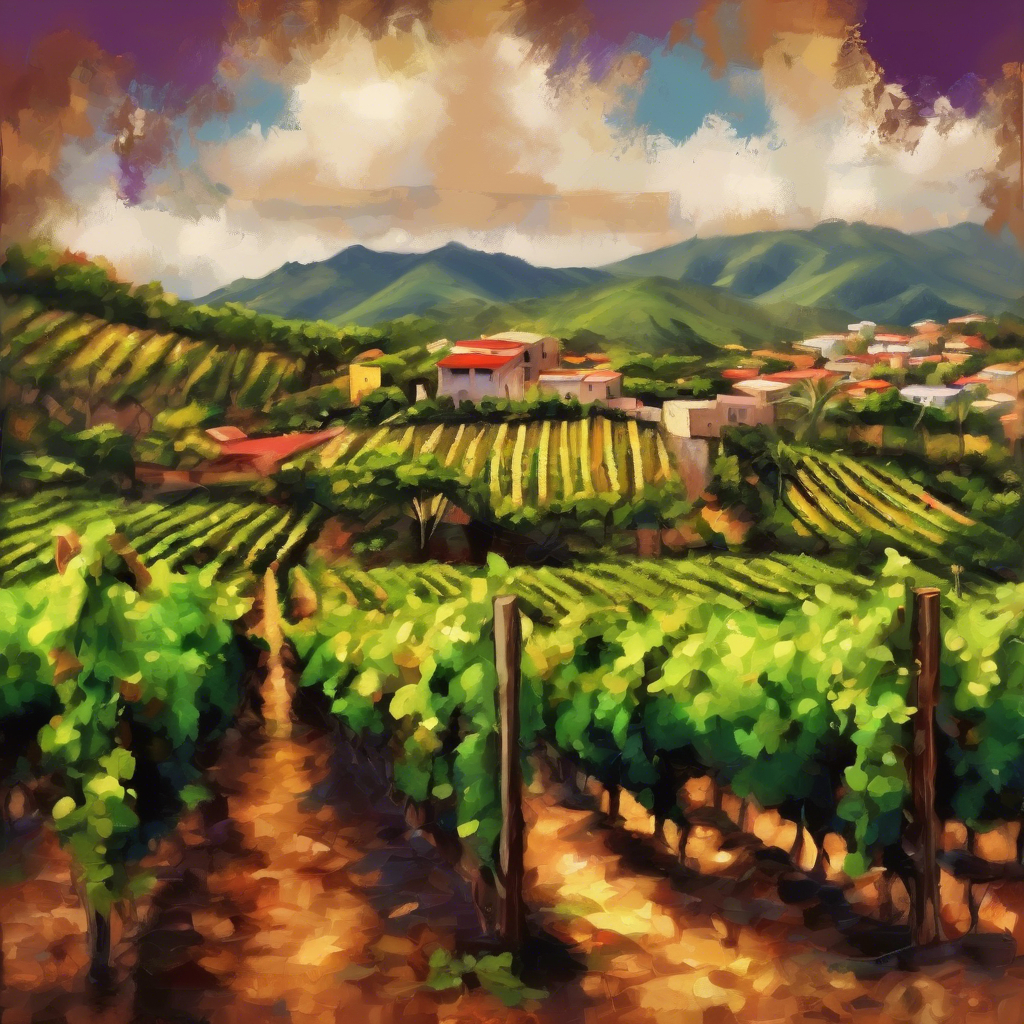
Puerto Rico’s tropical climate presents challenges for viticulture, as high temperatures, humidity, and rainfall increase the risk of disease for traditional wine grapes. However, some winemakers have experimented with hybrid grape varieties that are more resistant to the climate. The island’s mountainous regions, particularly in higher elevations like Adjuntas and Jayuya, offer slightly cooler temperatures, making them more suitable for viticulture.
#### **Grape & Wine Production**
Due to climatic limitations, Puerto Rican winemakers primarily use tropical fruits such as guava, mango, pineapple, passion fruit, and acerola (West Indian cherry) to produce fruit wines. These wines offer a unique alternative to traditional grape wines, often featuring vibrant, aromatic, and slightly sweet profiles. Some local producers also experiment with fortified wines and blends using imported grape must.
#### **Notable Wineries & Producers**
Puerto Rico’s wine scene is small but innovative, with a handful of wineries producing artisanal wines. Casa Bacardí, best known for rum, has also explored limited wine production. Other boutique wineries focus on small-batch fruit wines catering to tourists and locals seeking unique flavors.
#### **Wine Tourism & Culture**
Wine tourism in Puerto Rico is still developing, but wineries often offer tastings and tours that showcase local winemaking techniques. Visitors can experience fruit wine pairings alongside the island’s rich culinary traditions, making Puerto Rico’s wine scene an emerging attraction.
#### **Future of Winemaking in Puerto Rico**
With advancements in viticulture and climate-adaptive techniques, Puerto Rico’s wine industry may continue to grow. While fruit wines remain the primary focus, there is potential for increased hybrid grape production in cooler microclimates. As interest in tropical and exotic wines rises, Puerto Rico’s unique offerings may find a broader audience both locally and internationally.
[SOIL]
Soil
Climate
[CLIMATE]
0
0
Classifications

- Subregions
...
Country
Puerto Rico
Puerto Rico
Appellation
Country
Terroir
Elevation
Aspect
Inclination
Established
Production
Area
Subregions
0
Reference
Wines/Products
[PRODUCTS #]

Puerto Rico
1


[APPELLATION]
MAP
0
