Type
Hybrid
ANALOGUE

ANALOGUE
Hybrid
ANALOGUE
ANALOGUE
.jpg)

.jpg)
1856
Rogers E.S.
Private breeder
USA

Add a Title
Add a Title

Add a Title
Add a Title
Add a Title
Add a Title

0
.jpg)
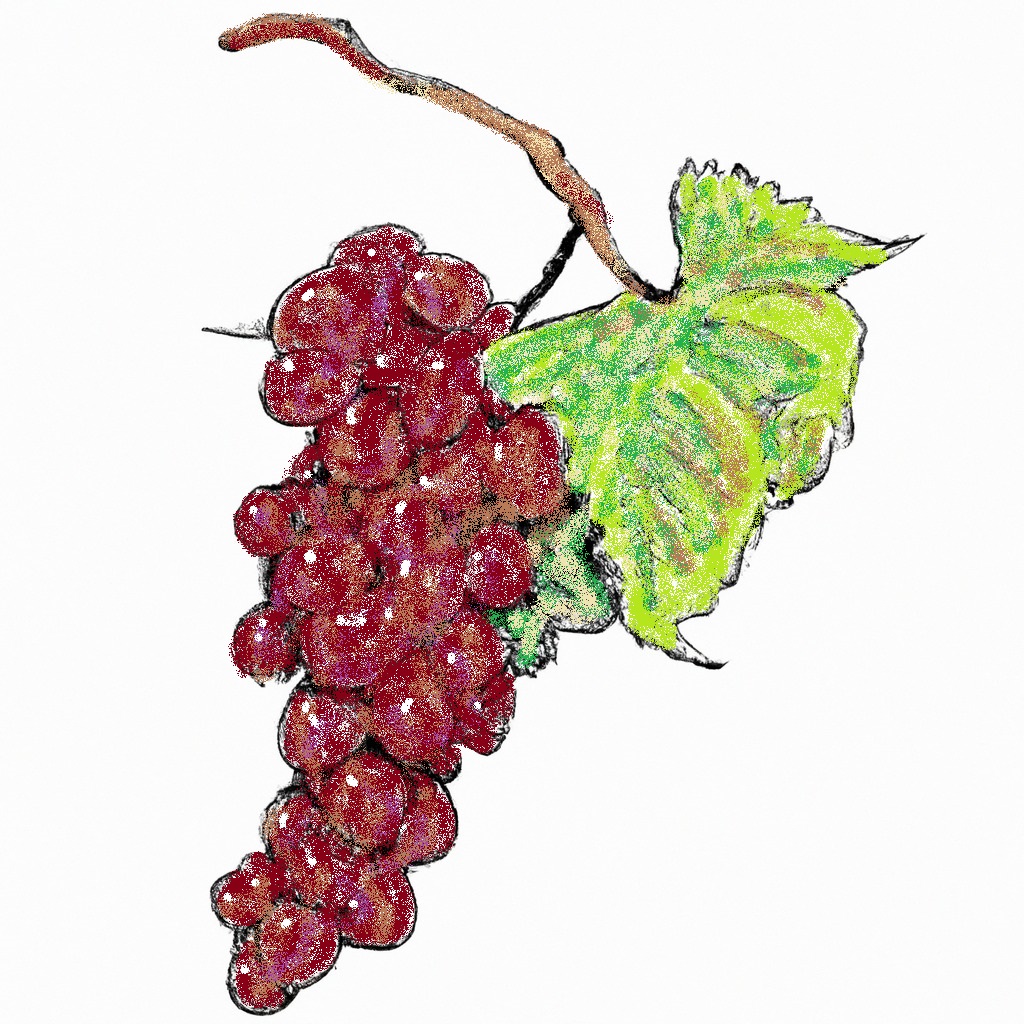
The Agawam grape is a hybrid variety developed for its resistance to diseases and adaptability to various climates.
- **Primary Use:** Table grape, juice, and sometimes wine production
- **Climate Preferences:**
- **Adaptability:** Well-adapted to colder climates
- **Hardiness:** Cold-hardy, making it suitable for northern regions
- **Viticultural Traits:**
- **Vigour:** Moderate
- **Yield:** Can be productive
- **Disease Resistance:**
- **Pest Resistance:** Resistant to certain pests common to Vitis vinifera
- **Disease Resistance:** Shows resistance to some grapevine diseases, particularly those affecting the European grape varieties
- **Wine Styles:**
- **Wine Type:** While Agawam is primarily used for fresh consumption, juice, and jellies, it is not typically used for high-quality wine production.
- **Juice:** Often used to make grape juice and grape jelly
- **Regulatory Status:**
- **Notable Hybrids:** Agawam is part of a group of grape varieties known as Rogers Hybrids, which were developed by E.S. Rogers in the 19th century.
- **Other Characteristics:**
- **Uses:** Primarily cultivated for fresh consumption and processed into juice or jellies.
- **Historical Significance:** A part of the history of grape breeding in the United States, contributing to the development of hybrid varieties.
0
0
[VARIETIES_#]
Specie
VITIS INTERSPECIFIC CROSSING
Sex
Hermaphrodite

Hybrid
Agawam

USA
Aromatic
Teinturier
Piwi
Terroir
Climate
[CLIMATE]
Soil
[SOIL]
Vintage
Alcohol by Volume
Residual Sugar
[SUGAR]
Asidity
pH
Harvest
Ageing
Technical Note
Brand
Ageing Potential
Maceration
Fermentation
[ALCOHOL]
[ALCOHOL]
[ACIDITY]
[PH]
[HARVEST]
[AGING]
[TECHNILOGY]
[BRAND]
[BRAND]
[QUALITY]
[QUALITY]
Clarity
Color Intensity
Condition
Aroma Intensity
Taste Intensity
Development
Body
Mousse
Alcohol
Sweetness
Acidity
Finish
Astringency
Balance
Readiness
Quality
[CLARITY]
[COLOR INTENSITY]
[COLOR INTENSITY]
[COLOR INTENSITY]
[TASTE INTENSITY]
[TASTE INTENSITY]
[ALCOHOL]
[MOUSSE]
[ALCOHOL]
[SUGAR]
[ACIDITY]
[ACIDITY]
[ASTRINGENCY]
[BALANCE]
[READINESS]
[QUALITY]
Sugar
Acidity
Tannins
Berry
Cluster
Leaf
Medium to large
Medium-sized, typically three-lobed, with a dark green color
Skin Thickness
Skin Color
Budding
Ripening
Flowering
Thick
Rouge
Early
Early - Mid
Reference