Type
Native
ANALOGUE

ANALOGUE
Native
ANALOGUE
ANALOGUE
.jpg)

.jpg)
Italy

Add a Title
Add a Title

Add a Title
Add a Title
Add a Title
Add a Title

0
.jpg)
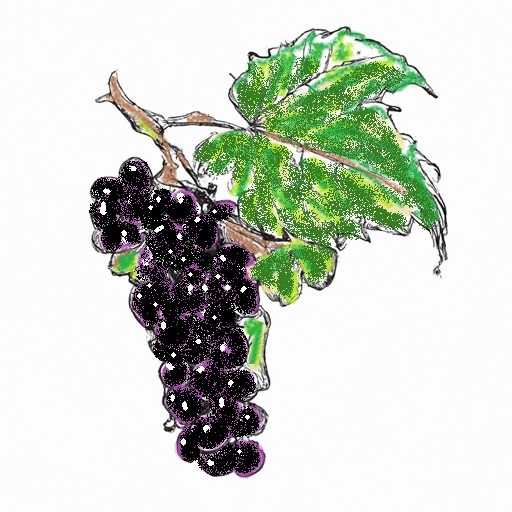
Aglianico is a prestigious, ancient red grape variety predominantly grown in southern Italy, especially in the regions of **Campania** and **Basilicata**. Often referred to as the "**Barolo of the South**," Aglianico produces deeply colored, robust wines with excellent aging potential. Believed to have been brought to Italy by the Greeks around the 7th century BC, the name *Aglianico* may be a corruption of the word *Hellenico* (meaning “Greek”).
Aglianico is the cornerstone of some of Southern Italy's most acclaimed appellations, including **Taurasi DOCG** in Campania and **Aglianico del Vulture DOCG** in Basilicata.
#### **Viticultural Characteristics**
- **Vigor**: Moderate to high
- **Yield**: Moderate (can be reduced for quality wines)
- **Soil Preference**: Volcanic, calcareous, well-drained soils
- **Climate Suitability**: Hot, dry climates with significant diurnal shifts
- **Disease Resistance**: Moderate resistance; susceptible to powdery mildew and botrytis if not carefully managed
#### **Winemaking Notes**
- **Vinification**: Typically fermented in stainless steel or large oak vats
- **Maturation**: Commonly aged in oak (large casks or barriques) for 12–24 months; further bottle aging enhances complexity
- **Potential Styles**: Dry red, Rosato (rosé), rare sparkling versions
- **Blending**: Usually vinified as a varietal wine, but can be blended with other local or international varieties
#### **Wine Characteristics**
- **Color**: Deep ruby to garnet with age
- **Aromas**: Dark fruits (plum, blackberry), leather, tar, dried herbs, floral notes (violet), earthy/mineral undertones
- **Palate**:
- **Tannin**: High
- **Acidity**: High
- **Body**: Full-bodied
- **Alcohol**: Medium to high (13–15% ABV)
- **Aging Potential**: 10–30 years or more; best examples gain complexity with age
#### **Notable Appellations**
- **Taurasi DOCG (Campania)**
- Minimum aging: 3 years (1 year in wood), **Riserva**: 4 years
- **Aglianico del Vulture DOCG (Basilicata)**
- Volcanic soils from Mount Vulture give a distinct mineral character
- **Taburno DOCG (Campania)**
0
0
[VARIETIES_#]
Specie
VITIS VINIFERA LINNÉ SUBSP. SATIVA (DE CANDOLLE) HEGI
Sex
Hermaphrodite

Native
Aglianico

Italy
Aromatic
Teinturier
Piwi
Terroir
Climate
[CLIMATE]
Soil
[SOIL]
Vintage
Alcohol by Volume
Residual Sugar
[SUGAR]
Asidity
pH
Harvest
Ageing
Technical Note
Brand
Ageing Potential
Maceration
Fermentation
[ALCOHOL]
[ALCOHOL]
[ACIDITY]
[PH]
[HARVEST]
[AGING]
[TECHNILOGY]
[BRAND]
[BRAND]
[QUALITY]
[QUALITY]
Clarity
Color Intensity
Condition
Aroma Intensity
Taste Intensity
Development
Body
Mousse
Alcohol
Sweetness
Acidity
Finish
Astringency
Balance
Readiness
Quality
[CLARITY]
[COLOR INTENSITY]
[COLOR INTENSITY]
[COLOR INTENSITY]
[TASTE INTENSITY]
[TASTE INTENSITY]
[ALCOHOL]
[MOUSSE]
[ALCOHOL]
[SUGAR]
[ACIDITY]
[ACIDITY]
[ASTRINGENCY]
[BALANCE]
[READINESS]
[QUALITY]
Berry
Cluster
Leaf
Small to medium
Compact, conical
Sugar
Acidity
Tannins
Skin Thickness
Skin Color
Budding
Ripening
Flowering
Noir
Late
Reference