Type
Cross
ANALOGUE

ANALOGUE
Cross
ANALOGUE
ANALOGUE
.jpg)

.jpg)
Italy

Add a Title
Add a Title

Add a Title
Add a Title
Add a Title
Add a Title

0
.jpg)
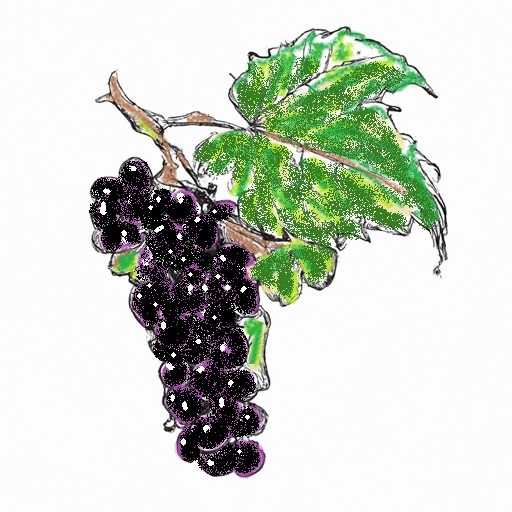
Aleatico is an aromatic red grape variety primarily grown in Italy, notably in Tuscany, Lazio, Puglia, and on Elba Island. Believed to be a mutation of Muscat, it produces intensely fragrant wines with floral notes of rose and violet, along with red berry and spice aromas. The grape has thin skin, making it susceptible to botrytis and mildew but ideal for sweet passito-style wines. It thrives in warm Mediterranean climates, especially in well-drained volcanic and limestone soils.
Aleatico wines range from dry to sweet, with the passito and fortified versions being the most renowned. These wines exhibit a deep ruby color, velvety texture, moderate tannins, and balanced acidity. The passito style involves drying the grapes to concentrate sugars and flavors, resulting in a rich, complex wine with excellent aging potential. Dry Aleatico is fruit-forward and floral, best enjoyed young, while the sweet versions pair beautifully with chocolate desserts and aged cheeses. Historically, Aleatico has been prized for its intense aromatics and unique expression of terroir. It is classified under several Italian appellations, including Aleatico Passito dell’Elba DOCG and Aleatico di Puglia DOC.
#### **General Information**
- **Origin:** Italy (believed to have ancient Greek influences)
- **Primary Growing Regions:** Italy (Tuscany, Lazio, Puglia, Elba Island), France (Corsica), Australia
- **Wine Types:** Red, sweet, passito, and fortified wines
- **Aromatics:** Intensely aromatic with floral and fruity notes
#### **Viticultural Traits**
- **Vigorous Growth:** Medium to high vigor
- **Yield:** Moderate to low
- **Ripening Period:** Mid to late season
- **Preferred Climate:** Warm Mediterranean; requires sufficient sun exposure
- **Disease Resistance:** Susceptible to botrytis and mildew due to thin skin
#### **Soil Preferences**
- **Best Suited Soils:** Well-drained, volcanic, limestone, or sandy soils
- **Soil Adaptability:** Thrives in a range of terroirs, but prefers mineral-rich compositions
#### **Wine Profile**
- **Color:** Deep ruby to garnet (in red wines); amber hues in aged passito wines
- **Aroma:** Intense floral (rose, violet), red berry (strawberry, raspberry), and spicy notes
- **Palate:** Velvety texture, medium to full body, balanced acidity, moderate tannins
- **Alcohol Content:** Typically 12–16% ABV, depending on vinification style
- **Aging Potential:** Passito and fortified styles age well; dry versions best enjoyed young
#### **Winemaking Techniques**
- **Vinification Styles:**
- Dry (rare) – fresh, floral, and fruit-forward
- Passito (dried grape) – concentrated, sweet, and complex
- Fortified – enhanced with alcohol for depth and longevity
- **Fermentation:** Typically fermented in stainless steel for freshness or aged in oak for complexity
- **Aging Vessels:** Stainless steel, oak barrels, or traditional terracotta amphorae
#### **Notable Appellations**
- **Italy:**
- *Aleatico Passito dell’Elba DOCG*
- *Aleatico di Puglia DOC*
- *Lazio IGT*
- **France:**
- *Corsican Aleatico-based sweet wines*
#### **Food Pairing**
- **Dry Aleatico:** Soft cheeses, poultry, light pasta dishes
- **Passito/Fortified Aleatico:** Chocolate desserts, dried fruit, blue cheese
0
0
[VARIETIES_#]
Specie
VITIS VINIFERA LINNÉ SUBSP. SATIVA (DE CANDOLLE) HEGI
Sex
Hermaphrodite

Cross
Aglianico

Italy
Aromatic
Teinturier
Piwi
Terroir
Climate
[CLIMATE]
Soil
[SOIL]
Vintage
Alcohol by Volume
Residual Sugar
[SUGAR]
Asidity
pH
Harvest
Ageing
Technical Note
Brand
Ageing Potential
Maceration
Fermentation
[ALCOHOL]
[ALCOHOL]
[ACIDITY]
[PH]
[HARVEST]
[AGING]
[TECHNILOGY]
[BRAND]
[BRAND]
[QUALITY]
[QUALITY]
Clarity
Color Intensity
Condition
Aroma Intensity
Taste Intensity
Development
Body
Mousse
Alcohol
Sweetness
Acidity
Finish
Astringency
Balance
Readiness
Quality
[CLARITY]
[COLOR INTENSITY]
[COLOR INTENSITY]
[COLOR INTENSITY]
[TASTE INTENSITY]
[TASTE INTENSITY]
[ALCOHOL]
[MOUSSE]
[ALCOHOL]
[SUGAR]
[ACIDITY]
[ACIDITY]
[ASTRINGENCY]
[BALANCE]
[READINESS]
[QUALITY]
Berry
Cluster
Leaf
Small, round, thick-skinned. Red (mutation of Muscat family)
Small to medium, compact.
Medium-sized, three- to five-lobed.
Sugar
Acidity
Tannins
Skin Thickness
Skin Color
Budding
Ripening
Flowering
Noir
Reference