Type
Cross
ANALOGUE

ANALOGUE
Cross
ANALOGUE
ANALOGUE
.jpg)

.jpg)
1855
Bouschet Henri
Domaine de la Calmette
France

Add a Title
Add a Title

Add a Title
Add a Title
Add a Title
Add a Title

0
.jpg)
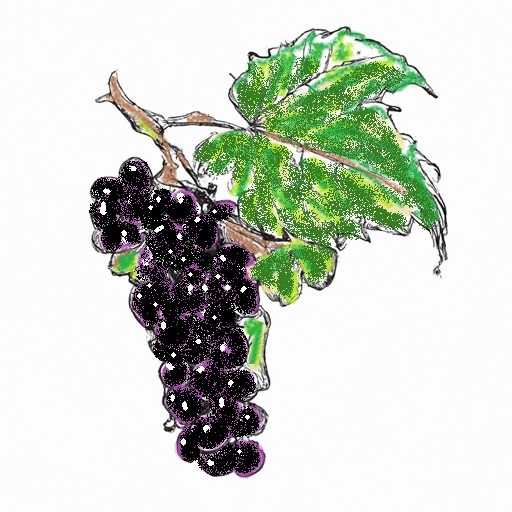
Alicante Henri Bouschet is a red wine grape variety that is known for its deep color and rich, full-bodied wines. It is a teinturier grape, meaning that both its skin and pulp are red, contributing to its intense pigmentation. Alicante Henri Bouschet is a cross between Petit Bouschet and Grenache, created by Henri Bouschet in the late 19th century.
This grape variety is often used in blends to add color and structure, particularly in regions where a dark color is desired in red wines. Wines made from Alicante Henri Bouschet tend to exhibit flavors of dark fruits, such as blackberry and black cherry, along with firm tannins. While it may not be as widely planted as some other red grape varieties, it has found a place in certain wine regions, contributing to robust and deeply colored wines.
==================================
### **Alicante Henri Bouschet Grape Variety: Technical Profile**
---
#### **General Overview**
- **Category**: Vitis vinifera
- **Primary Usage**: Red wines (single varietal and blending)
- **Color**: Deep red to inky black (teinturier grape with red pulp)
- **Origin**: France, created in 1866 by Henri Bouschet through the crossbreeding of **Petit Bouschet** and **Grenache**
- **Synonyms**: Alicante, Garnacha Tintorera (Spain)
---
#### **Viticultural Characteristics**
- **Climate Suitability**:
- Thrives in warm to hot climates with ample sunlight.
- Performs well in arid and Mediterranean regions.
- **Growing Season**:
- Bud Break: Mid-April
- Harvest: Late September to early October
- **Yield**:
- Moderate to high yields, typically 7–10 tons/acre, depending on vineyard management.
- **Soil Preferences**:
- Tolerant of a variety of soil types but performs best in well-drained sandy or clay-limestone soils.
- Particularly suited to poor, dry soils with good drainage.
- **Disease Resistance**:
- Good resistance to powdery and downy mildew.
- Moderately susceptible to botrytis in humid climates.
- **Vigor**:
- Medium to high vigor, requiring careful canopy management to ensure ripening and concentration.
---
#### **Enological Characteristics**
- **Sugar Content**: 22–26° Brix at harvest
- **Acidity**: 4.5–6.0 g/L (tartaric acid)
- **pH**: 3.4–3.8
- **Aroma Profile**:
- Notes of blackberries, plums, cherries, and hints of spice and herbs.
- Earthy and smoky undertones with occasional leather and licorice nuances.
- **Tannin Profile**:
- Moderate to high tannins with good structure and aging potential.
- **Alcohol Potential**: 13.5–15.5% ABV
---
#### **Winemaking Notes**
- **Fermentation**:
- Optimal fermentation temperature: 26–30°C.
- Extended maceration enhances extraction of tannins and deep color.
- **Aging**:
- Benefits from aging in oak barrels (6–18 months), which enhances complexity and softens tannins.
- Can be aged in stainless steel for fresher styles.
- **Blending Potential**:
- Frequently blended to add color, body, and depth to lighter red wines.
---
#### **Market Position**
- **Unique Selling Point**:
- A teinturier grape, prized for its intensely deep color and robust structure.
- **Consumer Appeal**:
- Favored by those who enjoy bold, full-bodied red wines.
- Appeals to winemakers seeking to enhance blends with color and richness.
- **Target Audience**:
- Enthusiasts of full-bodied wines with aging potential.
---
#### **Notable Growing Regions**
- France (Languedoc-Roussillon, Provence)
- Spain (La Mancha, Almansa, and Valdepeñas)
- Portugal (Alentejo, Dão)
- California (Central Valley, Napa Valley)
- South America (Chile, Argentina)
---
#### **Challenges and Considerations**
- Requires careful management of yields to avoid dilution of flavors.
- Best suited for warm climates where consistent ripening can be achieved.
- Thick skins contribute to color and tannin extraction but can make crushing and pressing more labor-intensive.
Let me know if you'd like additional details or adjustments!
0
0
[VARIETIES_#]
Specie
VITIS VINIFERA LINNÉ SUBSP. SATIVA (DE CANDOLLE) HEGI
Sex
Hermaphrodite

Cross
Alicante Henri Bouschet

France
Aromatic
Teinturier
Piwi
Terroir
Climate
[CLIMATE]
Soil
[SOIL]
Vintage
Alcohol by Volume
Residual Sugar
[SUGAR]
Asidity
pH
Harvest
Ageing
Technical Note
Brand
Ageing Potential
Maceration
Fermentation
[ALCOHOL]
[ALCOHOL]
[ACIDITY]
[PH]
[HARVEST]
[AGING]
[TECHNILOGY]
[BRAND]
[BRAND]
[QUALITY]
[QUALITY]
Clarity
Color Intensity
Condition
Aroma Intensity
Taste Intensity
Development
Body
Mousse
Alcohol
Sweetness
Acidity
Finish
Astringency
Balance
Readiness
Quality
[CLARITY]
[COLOR INTENSITY]
[COLOR INTENSITY]
[COLOR INTENSITY]
[TASTE INTENSITY]
[TASTE INTENSITY]
[ALCOHOL]
[MOUSSE]
[ALCOHOL]
[SUGAR]
[ACIDITY]
[ACIDITY]
[ASTRINGENCY]
[BALANCE]
[READINESS]
[QUALITY]
Berry
Cluster
Leaf
Sugar
Acidity
Tannins
Skin Thickness
Skin Color
Budding
Ripening
Flowering
Noir
Reference