Type
Native
ANALOGUE

ANALOGUE
Native
ANALOGUE
ANALOGUE
.jpg)

.jpg)
Portugal

Add a Title
Add a Title

Add a Title
Add a Title
Add a Title
Add a Title

0
.jpg)
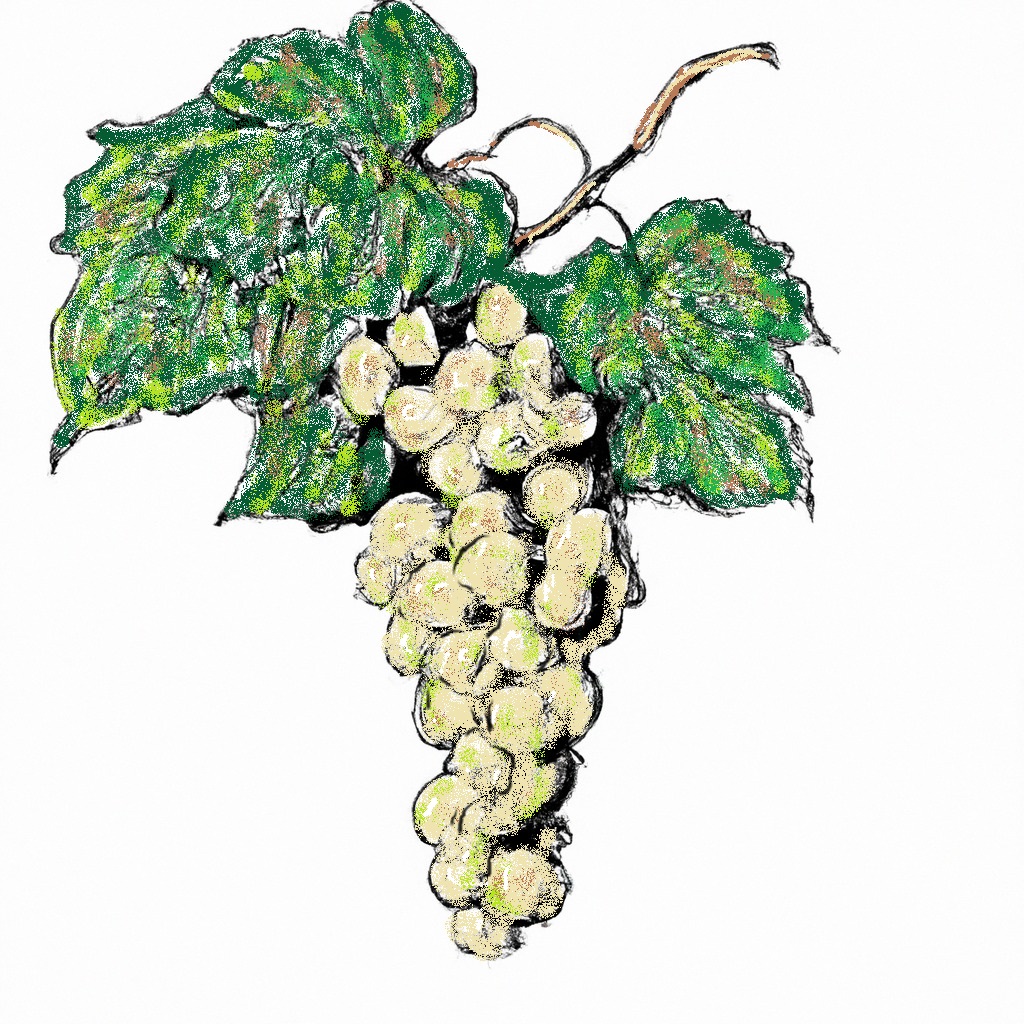
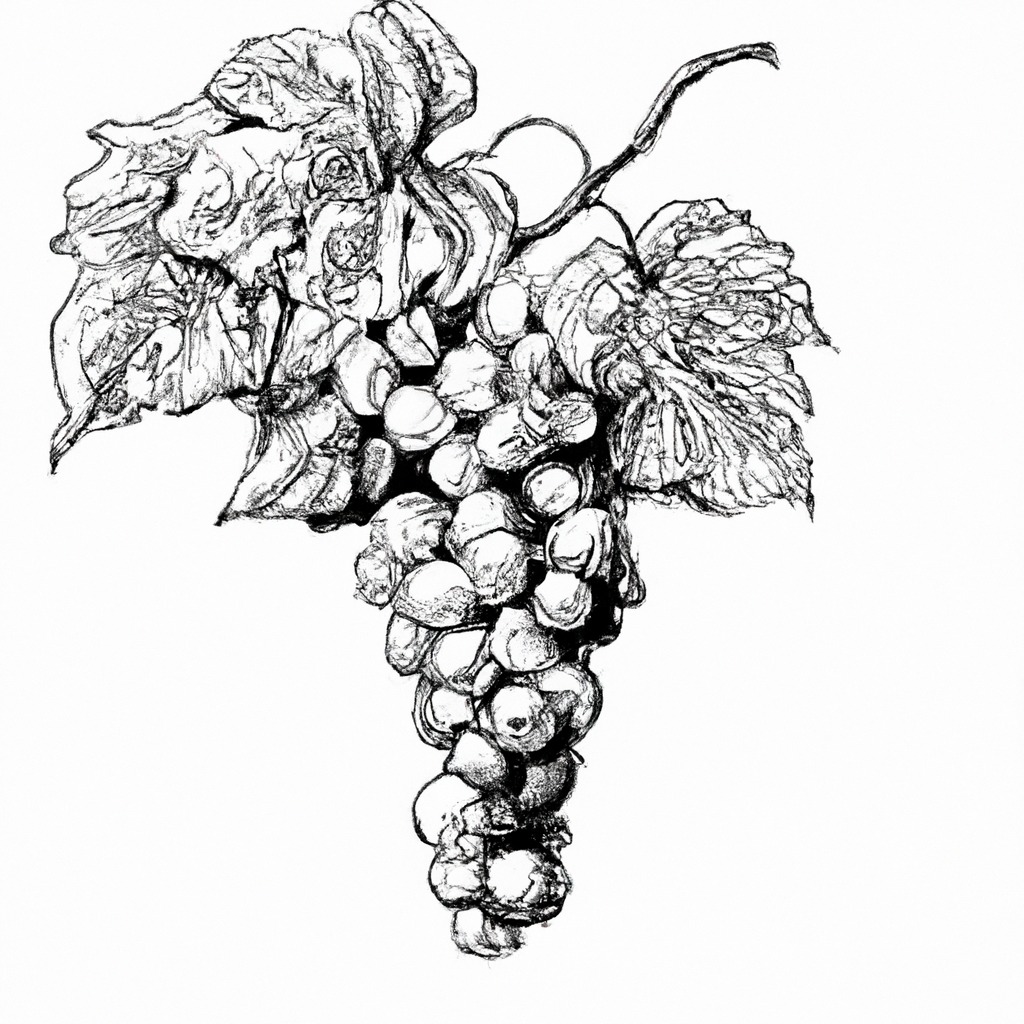
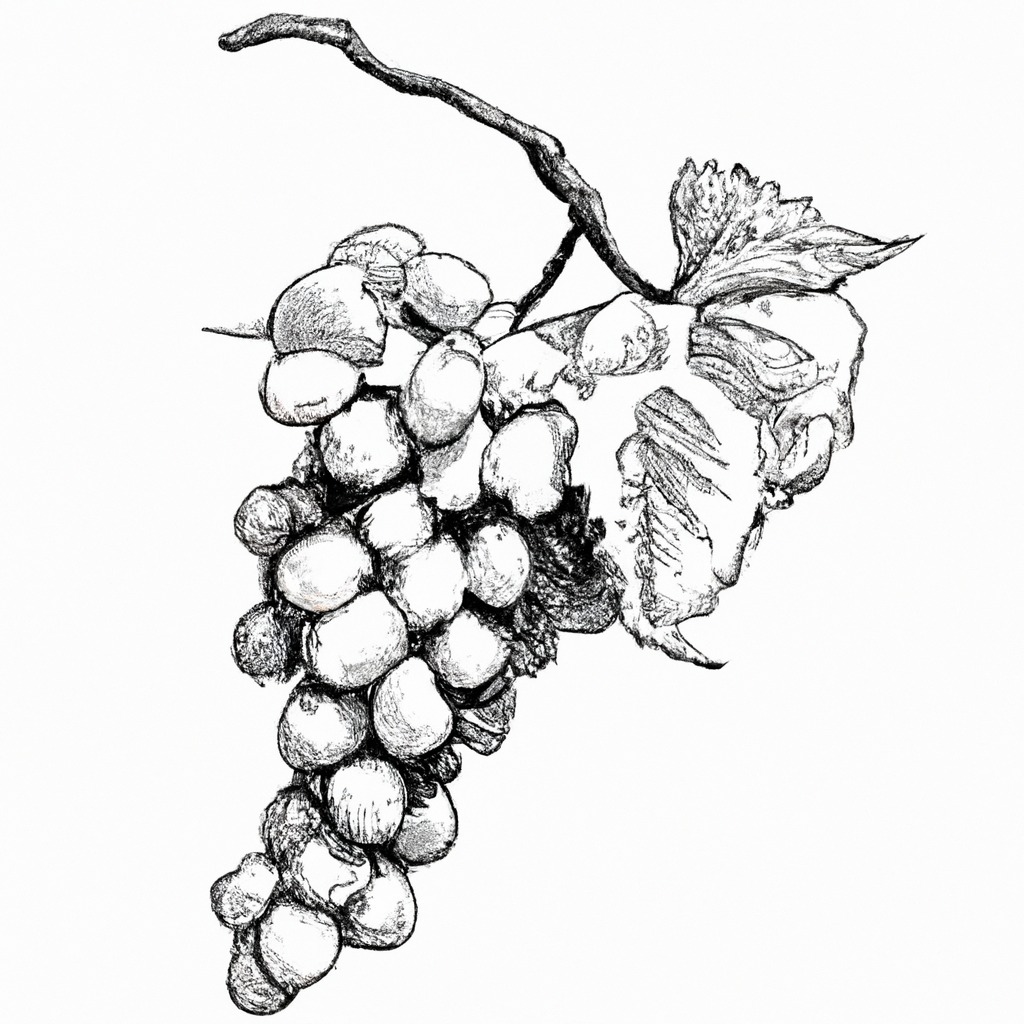
Alvarinho (or Albariño as it's known in Spain) grape variety is a highly esteemed white grape primarily associated with the Vinho Verde region in Portugal and Rías Baixas in Spain. It is renowned for producing varietal wines that are aromatic, with a pronounced acidity and minerality, reflecting the coastal terroirs where it thrives. Here are the most comprehensive technical characteristics of the Alvarinho grape variety:
### Origin and Distribution
- **Origin:** The Alvarinho grape is believed to have originated in the Minho province of Portugal and Galicia in Spain. It is most closely associated with the Monção and Melgaço subregions in Portugal's Vinho Verde region and the Rías Baixas DO in Spain.
- **Distribution:** While most prevalent in Portugal and Spain, the grape has also found a presence in other countries, including the United States, Australia, and Brazil, as winemakers explore its aromatic potential in various terroirs.
### Viticultural Characteristics
- **Budbreak and Ripening:** Alvarinho is known for its relatively early budbreak and late ripening, which allows it to develop complex flavors and maintain its acidity, especially in the cooler climates of northwestern Iberia.
- **Vigor and Yield:** The vine is vigorous and can produce high yields, but quality-focused growers often limit yields to enhance the grape's aromatic profile and concentration.
- **Cluster and Berry Size:** Alvarinho grapes form in small to medium-sized clusters, with small, thick-skinned berries. The thick skins are a source of the grape's distinctive aromatics.
- **Disease Resistance:** The variety has a moderate susceptibility to fungal diseases, which necessitates careful canopy management, especially in the damp, maritime climates it prefers.
### Winemaking Characteristics
- **Aromatics:** Alvarinho is highly aromatic, with a nose that often includes notes of peach, lemon, passion fruit, and honeysuckle, along with a distinctive mineral edge.
- **Acidity:** The grape typically produces wines with high acidity, lending a crisp, refreshing quality that balances the fruit flavors and contributes to the wine's aging potential.
- **Alcohol Content:** Wines made from Alvarinho can vary in alcohol content but generally range from medium to high levels, depending on the climate and winemaking techniques.
- **Aging Potential:** While many Alvarinho wines are consumed young to enjoy their freshness, the best examples can age gracefully, developing complexity and richness over time.
### Styles and Blending
- **Solo and Blends:** Alvarinho is often vinified on its own to highlight its varietal character but can also be blended with other local grapes such as Loureiro, Trajadura, and Arinto in Portugal, enhancing the wine's complexity.
- **Wine Styles:** The grape is versatile, producing a range of styles from light and refreshing to more structured and age-worthy wines. Some winemakers also experiment with lees aging and barrel fermentation to add texture and complexity.
### Regional Expressions
- **Portugal (Vinho Verde):** In Monção and Melgaço, Alvarinho expresses a potent mineral quality with vibrant acidity and rich, tropical fruit notes.
- **Spain (Rías Baixas):** Here, it is known as Albariño and is the backbone of the region's fragrant and structured white wines, showcasing a similar profile of ripe fruit, floral notes, and minerality, often with a saline touch due to the maritime influence.
The Alvarinho grape is a cornerstone of Iberian white winemaking, revered for its ability to produce distinctive, aromatic wines that reflect the nuances of their terroir. Its adaptability to different winemaking styles and potential for complexity and longevity continue to endear it to winemakers and wine enthusiasts alike.
0
0
[VARIETIES_#]
Specie
VITIS VINIFERA LINNÉ SUBSP. SATIVA (DE CANDOLLE) HEGI
Sex
Hermaphrodite

Native
Alvarinho

Portugal
Aromatic
Teinturier
Piwi
Terroir
Climate
[CLIMATE]
Soil
[SOIL]
Vintage
Alcohol by Volume
Residual Sugar
[SUGAR]
Asidity
pH
Harvest
Ageing
Technical Note
Brand
Ageing Potential
Maceration
Fermentation
[ALCOHOL]
[ALCOHOL]
[ACIDITY]
[PH]
[HARVEST]
[AGING]
[TECHNILOGY]
[BRAND]
[BRAND]
[QUALITY]
[QUALITY]
Clarity
Color Intensity
Condition
Aroma Intensity
Taste Intensity
Development
Body
Mousse
Alcohol
Sweetness
Acidity
Finish
Astringency
Balance
Readiness
Quality
[CLARITY]
[COLOR INTENSITY]
[COLOR INTENSITY]
[COLOR INTENSITY]
[TASTE INTENSITY]
[TASTE INTENSITY]
[ALCOHOL]
[MOUSSE]
[ALCOHOL]
[SUGAR]
[ACIDITY]
[ACIDITY]
[ASTRINGENCY]
[BALANCE]
[READINESS]
[QUALITY]
Berry
Cluster
Leaf
Sugar
Acidity
Tannins
Skin Thickness
Skin Color
Budding
Ripening
Flowering
Blanc
Reference