Type
Native
ANALOGUE

ANALOGUE
Native
ANALOGUE
ANALOGUE
.jpg)

.jpg)
France

Add a Title
Add a Title

Add a Title
Add a Title
Add a Title
Add a Title

0
.jpg)
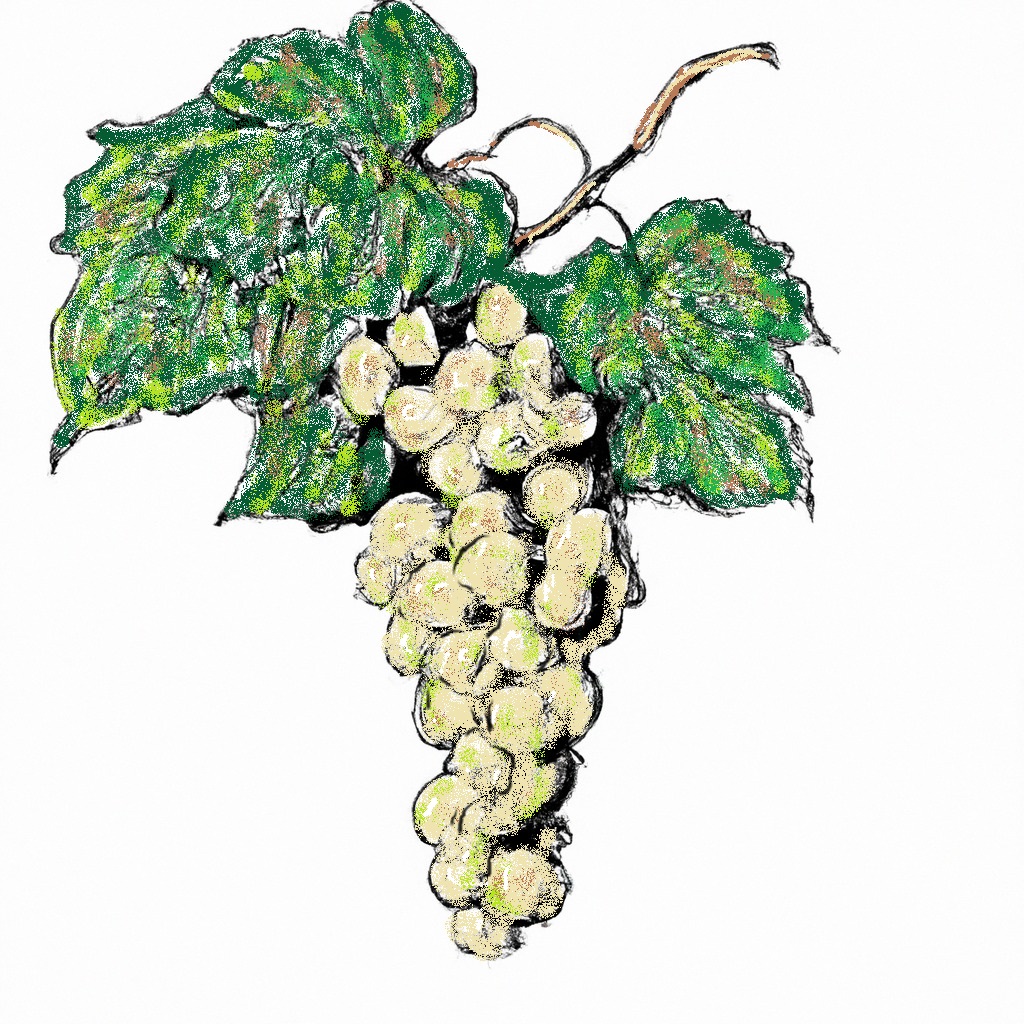
Below is a **professional, database-ready technical profile of *Arbane***, written in the same analytical style used for Champagne varieties and suitable for academic, regulatory, or winery reference use.
---
## Arbane — Technical Profile
*(Vitis vinifera L.)*
### Introduction
**Arbane** is one of Champagne’s rarest historic grape varieties, classified among the region’s **four traditional minor white grapes** alongside Petit Meslier, Pinot Blanc (Vrai), and Pinot Gris (Fromenteau). Once widespread in the Aube and Côte des Bar, Arbane nearly disappeared during the 20th century due to its **low yields, late ripening, and viticultural sensitivity**. Today, it survives in minute plantings, primarily preserved by heritage-focused growers and emblematic producers such as **Champagne Moutard-Diligent**.
Arbane is valued for its **exceptionally high natural acidity, delicate aromatics, and structural tension**, making it uniquely suited to long-ageing sparkling wines despite climate variability. It is almost exclusively vinified as **single-variety Champagne** or as a **minor blending component** in experimental cuvées.
---
## Ampelographic & Genetic Identity
* **Species:** *Vitis vinifera*
* **Colour:** White
* **Genetic status:** Distinct, ancient cultivar (not a Pinot mutation)
* **Parentage:** Unknown; genetically unrelated to Chardonnay
* **Synonyms:**
* Arbanne
* Albane (historical)
---
## Viticultural Characteristics
| Parameter | Description |
| ------------------- | ------------------------------------ |
| **Budburst** | Early to mid |
| **Flowering** | Mid-season |
| **Véraison** | Late |
| **Harvest** | Late (often among last in Champagne) |
| **Yield potential** | Low |
| **Vigor** | Moderate to high |
| **Cluster size** | Medium |
| **Berry size** | Small to medium |
| **Skin thickness** | Thin |
| **Fertility** | Irregular |
### Viticultural Challenges
* **Highly sensitive to spring frost**
* **Susceptible to coulure and millerandage**
* **Prone to grey rot (Botrytis)** due to compact clusters
* **Uneven ripening**
* Requires **excellent site selection and canopy management**
---
## Climatic & Terroir Suitability
* **Optimal climate:** Cool continental
* **Preferred soils:**
* Kimmeridgian limestone
* Chalky marls
* Well-drained calcareous soils
Arbane performs best in **cooler mesoclimates** where its late ripening preserves acidity without excessive vegetal character.
---
## Chemical & Must Composition (Typical)
| Parameter | Typical Range |
| ----------------------- | ---------------------- |
| **Potential alcohol** | 9.0–10.5% vol |
| **Total acidity** | Very high |
| **pH** | Very low (often < 2.9) |
| **Sugar accumulation** | Slow |
| **Nitrogen (YAN)** | Low to moderate |
| **Phenolics** | Low |
| **Aromatic precursors** | Moderate |
---
## Winemaking Considerations
### Vinification
* Gentle whole-cluster pressing
* Cool fermentation (14–18 °C)
* Stainless steel or neutral oak
* Malolactic fermentation:
* **Often avoided** to preserve tension
* Low dosage styles preferred
### Ageing
* Excellent suitability for **long lees ageing**
* Maintains freshness and structural integrity over decades
* Oxidative resistance improves with time on lees
---
## Sensory Profile (Still & Base Wine)
### Aromatics
* Green apple
* Citrus zest (lemon, bergamot)
* White flowers
* Fresh herbs
* Chalk, wet stone
### Palate
* Razor-sharp acidity
* Linear, taut structure
* Low alcohol impression
* Saline, mineral finish
---
## Role in Champagne Blends
| Function | Contribution |
| --------- | --------------- |
| Acidity | Extremely high |
| Structure | Linear, tensile |
| Aromatics | Subtle, lifted |
| Ageing | Exceptional |
Used sparingly (often <5%) or as **monovarietal cuvées** for educational, historic, or prestige expressions.
---
## Notable Producers & Examples
* **Champagne Moutard-Diligent – “Vieilles Vignes d’Arbane”**
* **Champagne Tarlant** (historic plantings)
* **Experimental conservatory vineyards (Aube)**
---
## Regulatory Status
* **Permitted in Champagne AOC**
* Classified as an **“ancient authorized variety”**
* No independent appellations outside Champagne
---
## Summary (Professional Snapshot)
| Attribute | Assessment |
| -------------------- | ---------------- |
| Rarity | Extremely rare |
| Viticultural risk | High |
| Acidity retention | Exceptional |
| Aromatic intensity | Delicate |
| Ageing potential | Outstanding |
| Commercial relevance | Niche / heritage |
---
If you want, I can also provide:
* **Comparative profile: Arbane vs Petit Meslier vs Chardonnay**
* **Database-ready Excel/SQL table**
* **Champagne historical varieties atlas**
* **Still-wine experimental potential analysis**
Just tell me how you’d like to proceed.
0
0
[VARIETIES_#]
Specie
VITIS VINIFERA LINNÉ SUBSP. SATIVA (DE CANDOLLE) HEGI
Sex
Hermaphrodite

Native
Arbane

France
Aromatic
Teinturier
Piwi
Terroir
Climate
[CLIMATE]
Soil
[SOIL]
Vintage
Alcohol by Volume
Residual Sugar
[SUGAR]
Asidity
pH
Harvest
Ageing
Technical Note
Brand
Ageing Potential
Maceration
Fermentation
[ALCOHOL]
[ALCOHOL]
[ACIDITY]
[PH]
[HARVEST]
[AGING]
[TECHNILOGY]
[BRAND]
[BRAND]
[QUALITY]
[QUALITY]
Clarity
Color Intensity
Condition
Aroma Intensity
Taste Intensity
Development
Body
Mousse
Alcohol
Sweetness
Acidity
Finish
Astringency
Balance
Readiness
Quality
[CLARITY]
[COLOR INTENSITY]
[COLOR INTENSITY]
[COLOR INTENSITY]
[TASTE INTENSITY]
[TASTE INTENSITY]
[ALCOHOL]
[MOUSSE]
[ALCOHOL]
[SUGAR]
[ACIDITY]
[ACIDITY]
[ASTRINGENCY]
[BALANCE]
[READINESS]
[QUALITY]
Berry
Cluster
Leaf
Sugar
Acidity
Tannins
Skin Thickness
Skin Color
Budding
Ripening
Flowering
Blanc
Reference