Type
Cross
ANALOGUE

ANALOGUE
Cross
ANALOGUE
ANALOGUE
.jpg)

.jpg)
Italy

Add a Title
Add a Title

Add a Title
Add a Title
Add a Title
Add a Title

0
.jpg)
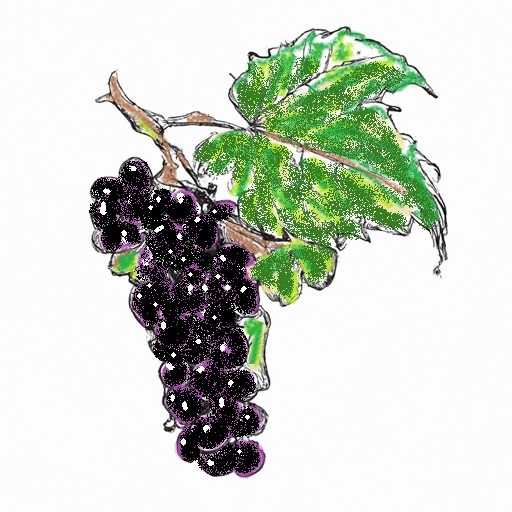
Barbera Nera grape variety, commonly known as Barbera, is a red wine grape that originates from the Piedmont region in northwest Italy. It is the third most-planted red grape variety in Italy and has gained popularity in several other countries, including the United States, Argentina, and Australia. Here's a detailed overview of its technical characteristics:
Origin and History
- **Origin:** Piedmont, Italy.
- **History:** Barbera's history dates back hundreds of years in Piedmont, where it has been a key variety in the region's winemaking tradition.
### Viticultural Characteristics
- **Vigor:** Barbera is known for its high vigor, requiring careful canopy management to ensure sunlight and air can penetrate the canopy and reach the fruit.
- **Yield:** It tends to be high yielding, but quality can be significantly improved by yield management techniques such as green harvesting.
- **Budburst:** Mid to late budburst, which slightly reduces the risk of damage from late spring frosts.
- **Disease Resistance:** Moderate resistance to various vine diseases; however, it is susceptible to leafroll virus and can suffer from over-cropping, leading to diminished wine quality.
### Berry and Cluster Characteristics
- **Berry Size:** Small to medium-sized berries.
- **Berry Skin:** Thick skin, contributing to higher levels of tannin in the wine.
- **Cluster Size:** Medium-sized clusters, conical in shape, and quite compact.
### Winemaking and Wine Profile
- **Wine Style:** Barbera is versatile in winemaking, producing a range of styles from light and fruity to more concentrated and oak-aged wines.
- **Color:** Barbera wines are known for their deep ruby color, which can evolve to garnet with age.
- **Acidity:** High natural acidity is a hallmark of the Barbera grape, contributing to the wine's freshness and aging potential.
- **Tannins:** Moderate tannins, depending on winemaking practices.
- **Aromas and Flavors:** Barbera wines often exhibit intense aromas and flavors of dark cherries, blackberries, and plums, with notes of spices and sometimes a hint of oak if aged in barrels.
- **Alcohol Content:** Typically produces wines with moderate to high alcohol levels.
### Adaptation and Cultivation
- **Climate:** Prefers a warm, Mediterranean climate but can adapt to cooler climates, thanks to its late budding. It thrives in well-exposed vineyard sites.
- **Soil:** Shows a preference for calcareous clay soils but can adapt to a wide range of soil types. Well-drained soils are essential to control vigor and improve wine quality.
### Regions of Cultivation
- **Italy:** Predominantly grown in Piedmont, particularly in the Asti and Alba regions, but also found in Lombardy, Emilia-Romagna, and other Italian wine regions.
- **International:** Planted in California, particularly in the Central Valley and Sierra Foothills, as well as in Argentina, Australia, and South Africa.
### Wine and Food Pairing
- Barbera's high acidity and moderate tannins make it an excellent companion to a wide range of dishes, especially tomato-based pasta dishes, pizza, grilled meats, and aged cheeses.
### Conclusion
Barbera Nera is a versatile grape variety that, despite its high yields, can produce high-quality wines with proper vineyard management. Its adaptability to different winemaking styles and climates, along with its characteristic acidity and fruity profile, make it a favorite among winemakers and wine enthusiasts alike.
0
0
[VARIETIES_#]
Specie
VITIS VINIFERA LINNÉ SUBSP. SATIVA (DE CANDOLLE) HEGI
Sex
Hermaphrodite

Cross
Barbera Nera

Italy
Aromatic
Teinturier
Piwi
Terroir
Climate
[CLIMATE]
Soil
[SOIL]
Vintage
Alcohol by Volume
Residual Sugar
[SUGAR]
Asidity
pH
Harvest
Ageing
Technical Note
Brand
Ageing Potential
Maceration
Fermentation
[ALCOHOL]
[ALCOHOL]
[ACIDITY]
[PH]
[HARVEST]
[AGING]
[TECHNILOGY]
[BRAND]
[BRAND]
[QUALITY]
[QUALITY]
Clarity
Color Intensity
Condition
Aroma Intensity
Taste Intensity
Development
Body
Mousse
Alcohol
Sweetness
Acidity
Finish
Astringency
Balance
Readiness
Quality
[CLARITY]
[COLOR INTENSITY]
[COLOR INTENSITY]
[COLOR INTENSITY]
[TASTE INTENSITY]
[TASTE INTENSITY]
[ALCOHOL]
[MOUSSE]
[ALCOHOL]
[SUGAR]
[ACIDITY]
[ACIDITY]
[ASTRINGENCY]
[BALANCE]
[READINESS]
[QUALITY]
Berry
Cluster
Leaf
Sugar
Acidity
Tannins
Skin Thickness
Skin Color
Budding
Ripening
Flowering
Noir
Reference