Type
Cross
ANALOGUE

ANALOGUE
Cross
ANALOGUE
ANALOGUE
.jpg)

.jpg)
Slovenia

Add a Title
Add a Title

Add a Title
Add a Title
Add a Title
Add a Title

0
.jpg)
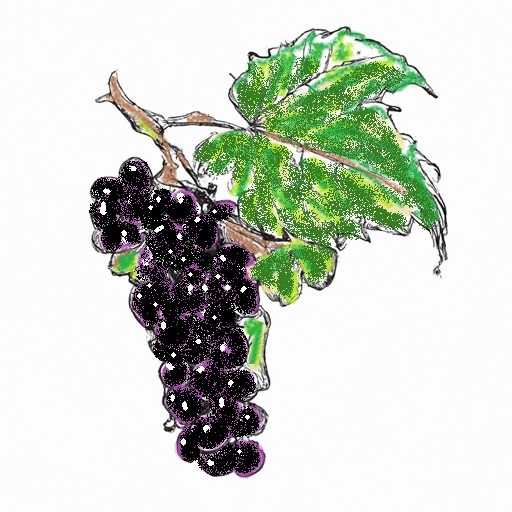
Blaufränkisch is a dark-skinned grape variety used to produce red wine, primarily known for its significant role in Central European winemaking. It is widely grown in Austria, where it is considered one of the most important red wine grapes, as well as in Hungary (where it is known as Kékfrankos), Germany, Slovakia, Slovenia, and the United States among other countries.
### Characteristics of Blaufränkisch:
1. **Profile:**
- **Color:** Blaufränkisch typically produces deeply colored wines.
- **Aroma:** The wines are known for their pronounced spicy characters, often with notes of blackberry, cherry, and sometimes even black pepper.
- **Taste:** On the palate, Blaufränkisch can offer a lively acidity with medium to high tannins, making it a wine that can age well.
- **Body:** These wines tend to be medium to full-bodied.
2. **Winemaking:**
- Blaufränkisch is often vinified as a varietal wine but can also be found in blends, adding structure and depth with its acidity and tannin profile.
- It is increasingly being aged in oak, which can impart additional complexity, taming its robust tannins and enriching its flavor profile with notes of vanilla and toast.
3. **Regional Significance:**
- **Austria:** In Austria, particularly in regions like Burgenland and Lower Austria, Blaufränkisch is crafted into wines that express significant terroir-focused characteristics. Austrian law classifies many of these wines under its DAC (Districtus Austriae Controllatus) system, which emphasizes regional identity.
- **Hungary:** As Kékfrankos, it is used both for varietal wines and in famous blends like those from the Eger and Szekszárd regions, notably Egri Bikavér ("Bull's Blood of Eger").
- **Other Regions:** In other countries, such as the United States (especially in New York's Finger Lakes region and Washington State), Slovenia, and Germany, Blaufränkisch is also gaining recognition for producing high-quality red wines.
Blaufränkisch is appreciated for its distinctive spicy character and ability to produce complex, age-worthy wines. It offers a unique expression of place, which is highly valued in the wine world, making it a favorite among those who seek wines with strong regional identities.
0
0
[VARIETIES_#]
Specie
VITIS VINIFERA LINNÉ SUBSP. SATIVA (DE CANDOLLE) HEGI
Sex
Hermaphrodite

Cross
Blaufränkisch

Slovenia
Aromatic
Teinturier
Piwi
Terroir
Climate
[CLIMATE]
Soil
[SOIL]
Vintage
Alcohol by Volume
Residual Sugar
[SUGAR]
Asidity
pH
Harvest
Ageing
Technical Note
Brand
Ageing Potential
Maceration
Fermentation
[ALCOHOL]
[ALCOHOL]
[ACIDITY]
[PH]
[HARVEST]
[AGING]
[TECHNILOGY]
[BRAND]
[BRAND]
[QUALITY]
[QUALITY]
Clarity
Color Intensity
Condition
Aroma Intensity
Taste Intensity
Development
Body
Mousse
Alcohol
Sweetness
Acidity
Finish
Astringency
Balance
Readiness
Quality
[CLARITY]
[COLOR INTENSITY]
[COLOR INTENSITY]
[COLOR INTENSITY]
[TASTE INTENSITY]
[TASTE INTENSITY]
[ALCOHOL]
[MOUSSE]
[ALCOHOL]
[SUGAR]
[ACIDITY]
[ACIDITY]
[ASTRINGENCY]
[BALANCE]
[READINESS]
[QUALITY]
Sugar
Acidity
Tannins
Berry
Cluster
Leaf
Skin Thickness
Skin Color
Budding
Ripening
Flowering
Noir
Reference