Type
Cross
ANALOGUE

ANALOGUE
Cross
ANALOGUE
ANALOGUE
.jpg)

.jpg)
1991-2008
Valentin Blattner
Private Breeder
Germany

Add a Title
Add a Title

Add a Title
Add a Title
Add a Title
Add a Title

0
.jpg)
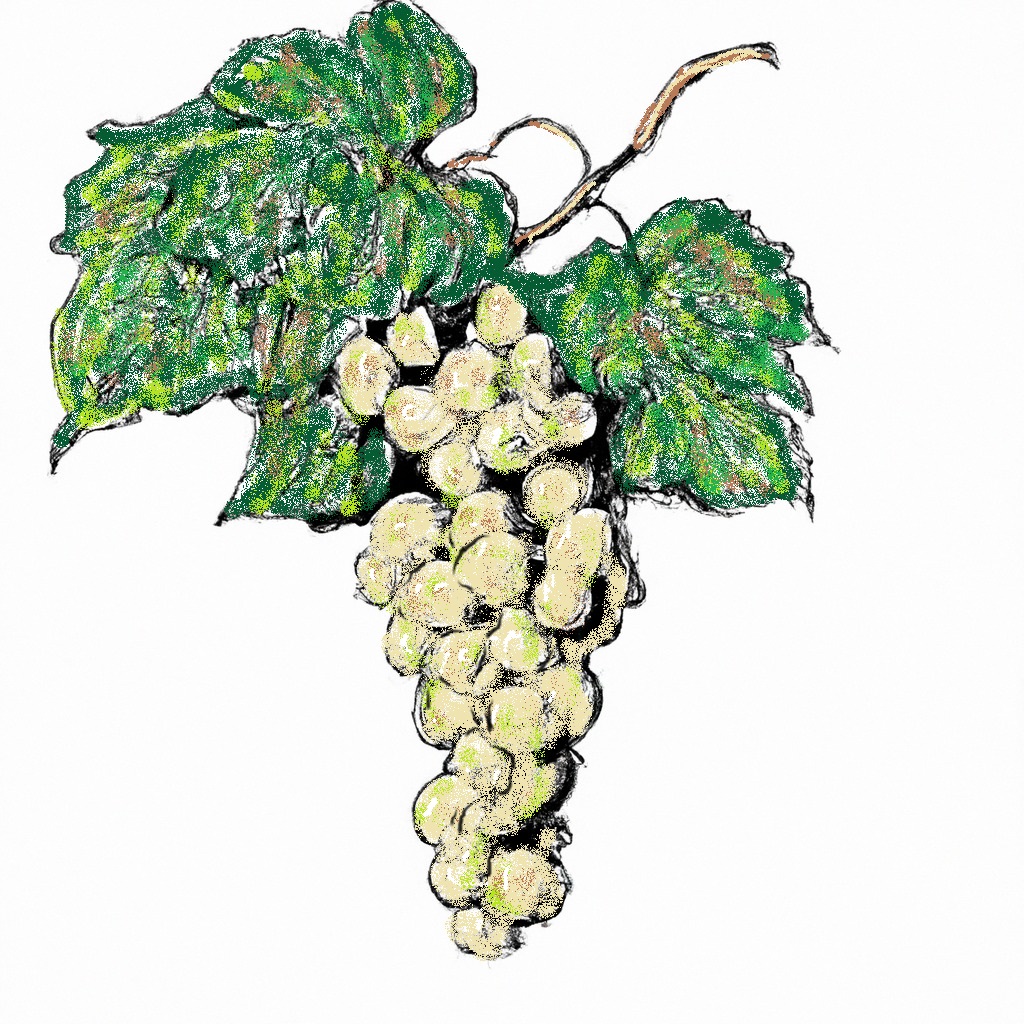
Cabernet Blanc is a relatively new, disease-resistant white grape variety developed through crossbreeding techniques. It is gaining popularity for its excellent wine quality and sustainability in viticulture.
Ccross between Cabernet Sauvignon and disease-resistant varieties.
Developed for high wine quality combined with resistance to common grapevine diseases.
### **Viticultural Characteristics**
- **Growth Habit**: Vigorous vine with a semi-upright to spreading growth pattern.
- **Climate Suitability**:
- Well-suited for temperate to cool climates.
- Excellent cold tolerance.
- **Soil Preferences**:
- Performs well in a variety of soils, including sandy, clay, and limestone-rich terrains.
- Prefers well-drained soils.
- **Ripening Period**: Early to mid-season (depending on the region).
- **Yield**: Moderate to high yields with careful management.
- **Resistance**:
- Highly resistant to fungal diseases such as downy mildew and powdery mildew.
- Good resistance to botrytis bunch rot and other pests.
### **Berry and Cluster Characteristics**
- **Skin Thickness**: Thin to medium, contributing to aromatic intensity and balanced extraction.
### **Winemaking Attributes**
- **Primary Use**: White wine production.
- **Sugar Levels**: Moderate to high potential sugar content, enabling balanced alcohol levels.
- **Acidity**: Medium to high, providing freshness and aging potential.
- **Aroma and Flavor Profile**:
- **Aromas**: Pronounced notes of gooseberry, elderflower, green apple, and citrus, often compared to Sauvignon Blanc.
- **Flavors**: Fresh and vibrant with tropical fruit nuances (pineapple, passionfruit) and herbaceous undertones.
- **Styles**:
- Dry, aromatic white wines.
- Suitable for varietal wines and blending.
- Occasionally used for sparkling wine production.
### **Viticultural and Oenological Advantages**
- Reduced need for chemical treatments due to disease resistance.
- Ideal for sustainable and organic viticulture practices.
- Consistent quality across vintages.
### **Challenges**
- Requires careful canopy management to avoid over-shading and ensure uniform ripening.
- Needs attention to prevent overcropping, which could dilute wine quality.
- Newer variety with limited long-term aging studies.
### **Regions of Cultivation**
- Gaining popularity in:
- Germany, Switzerland, and Austria.
- Emerging plantings in France, the United States, and Canada.
- Particularly suitable for regions focusing on organic and biodynamic viticulture.
0
0
[VARIETIES_#]
Specie
VITIS VINIFERA LINNÉ SUBSP. SATIVA (DE CANDOLLE) HEGI
Sex
Hermaphrodite

Cross
Cabernet Blanc

Germany
Aromatic
Teinturier
Piwi
Terroir
Climate
[CLIMATE]
Soil
[SOIL]
Vintage
Alcohol by Volume
Residual Sugar
[SUGAR]
Asidity
pH
Harvest
Ageing
Technical Note
Brand
Ageing Potential
Maceration
Fermentation
[ALCOHOL]
[ALCOHOL]
[ACIDITY]
[PH]
[HARVEST]
[AGING]
[TECHNILOGY]
[BRAND]
[BRAND]
[QUALITY]
[QUALITY]
Clarity
Color Intensity
Condition
Aroma Intensity
Taste Intensity
Development
Body
Mousse
Alcohol
Sweetness
Acidity
Finish
Astringency
Balance
Readiness
Quality
[CLARITY]
[COLOR INTENSITY]
[COLOR INTENSITY]
[COLOR INTENSITY]
[TASTE INTENSITY]
[TASTE INTENSITY]
[ALCOHOL]
[MOUSSE]
[ALCOHOL]
[SUGAR]
[ACIDITY]
[ACIDITY]
[ASTRINGENCY]
[BALANCE]
[READINESS]
[QUALITY]
Sugar
Moderate-High
Acidity
Moderate-High
Tannins
Berry
Cluster
Leaf
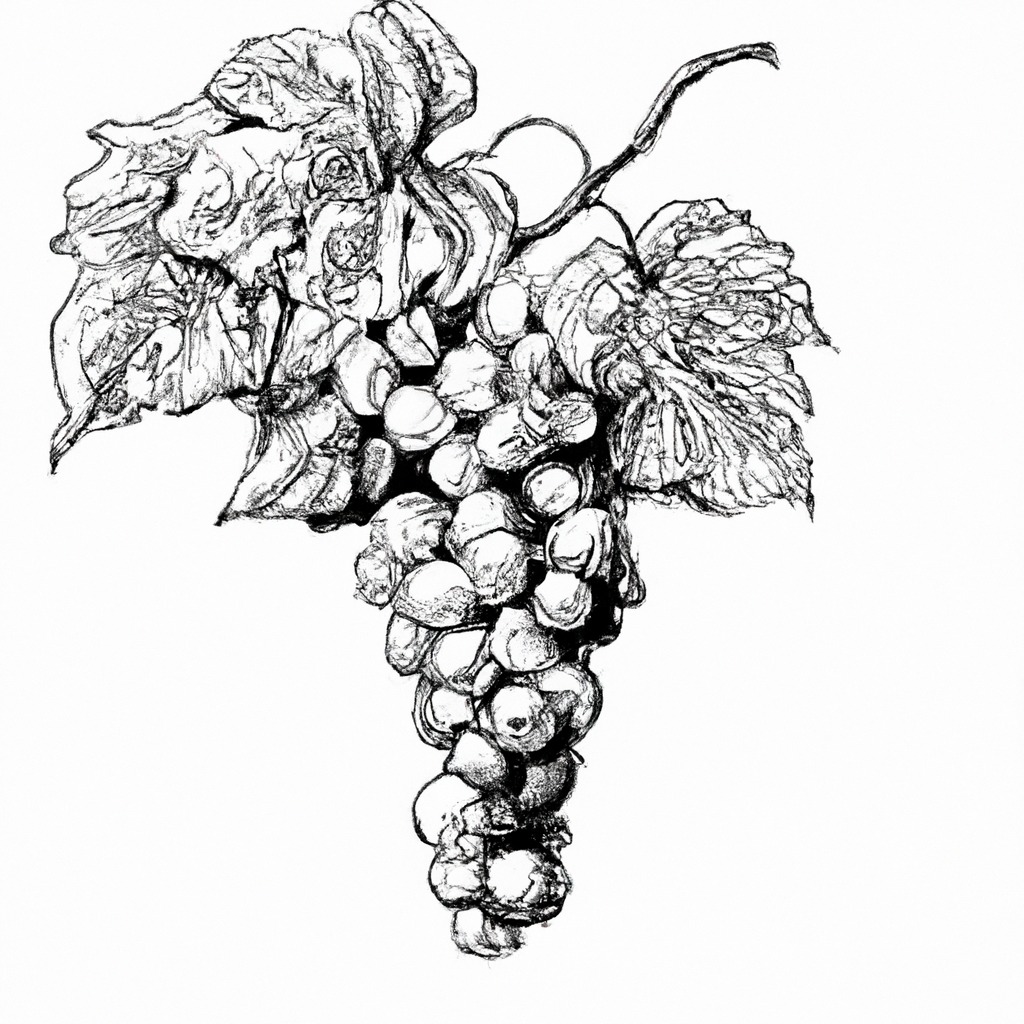
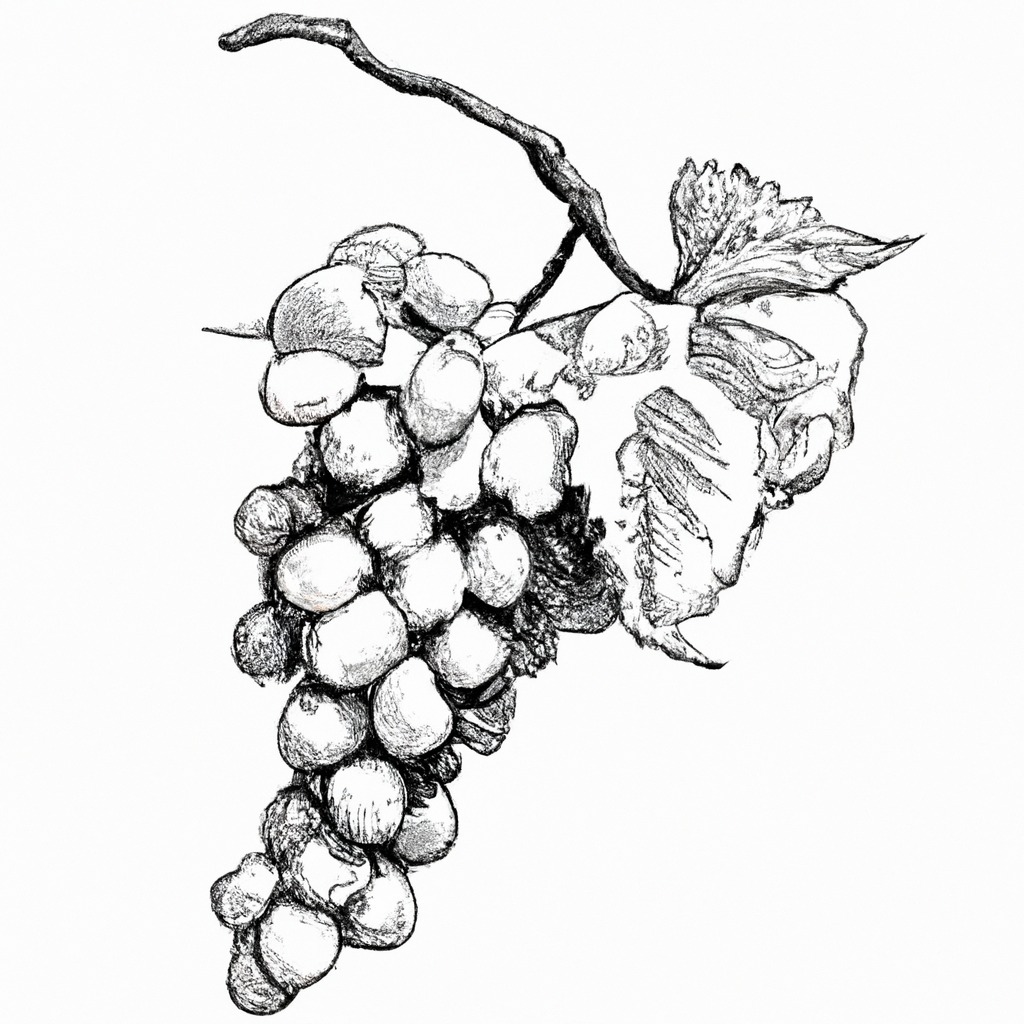
Medium-sized berries. Greenish-yellow with a golden tint when fully ripe.
Medium to large, moderately compact.
Skin Thickness
Skin Color
Budding
Ripening
Flowering
Thin
Blanc
Mid
Reference