Type
Autochthonous
ANALOGUE

ANALOGUE
Autochthonous
ANALOGUE
ANALOGUE
.jpg)

.jpg)
France

Add a Title
Add a Title

Add a Title
Add a Title
Add a Title
Add a Title

0
.jpg)
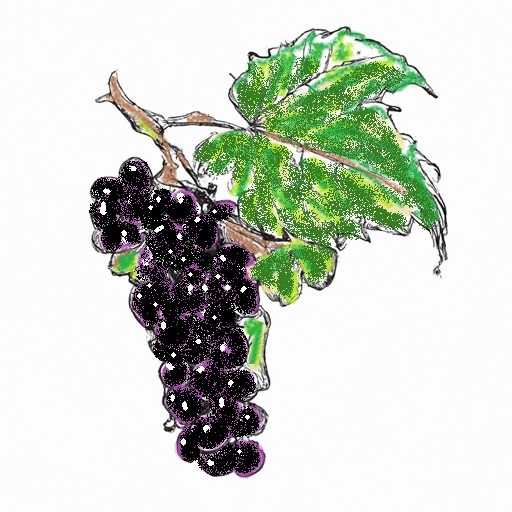
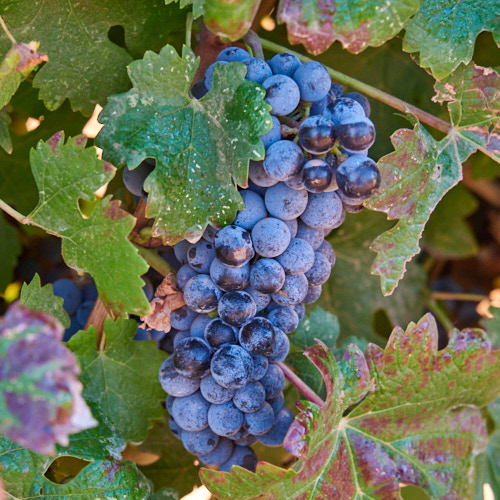
Cabernet Franc is one of the world's most important noble black grape varieties and one of the founding members of the Cabernet family. Native to France, it is the parent of Cabernet Sauvignon, Merlot and Carménère. It produces elegant, aromatic wines with moderate tannins, vibrant acidity and characteristic floral and herbal complexity, serving both as an outstanding varietal wine and a key blending component in Bordeaux and many international wine regions.
Medium-vigor vine with regular productivity and moderate yields. Compared with Cabernet Sauvignon, Cabernet Franc ripens earlier, develops lower tannin levels and exhibits greater aromatic expression. It produces wines combining freshness, refined structure and excellent aging potential. The variety is genetically among the most influential grapes in modern viticulture, serving as a parent to numerous internationally important cultivars.
Cabernet Franc is one of the oldest and most influential grape varieties in the world. Native to southwestern France, where it has been cultivated for centuries, it occupies a central position in the genetic history of modern viticulture. DNA profiling carried out by José Vouillamoz, Carole Meredith and colleagues demonstrated that Cabernet Franc is the parent of Cabernet Sauvignon (crossed naturally with Sauvignon Blanc) and Merlot, Carménère, and Gros Verdot (crossed naturally with Magdeleine Noire des Charentes). Consequently, Cabernet Franc is regarded as one of the principal founders of the Bordeaux grape family.
The variety is prized for its ability to produce wines of elegance rather than power. Compared with Cabernet Sauvignon, Cabernet Franc ripens earlier, develops softer tannins, retains higher natural acidity and expresses more pronounced floral, red-fruit and herbal aromas. Its adaptability to cooler climates has made it particularly successful in the Loire Valley, where it produces some of the world's finest varietal expressions, while remaining an indispensable blending component in Bordeaux and numerous international wine regions.
Global Importance
Cabernet Franc is cultivated on approximately 50,000–60,000 hectares worldwide, making it one of the twenty most widely planted wine grape varieties. It is the signature red grape of the Loire Valley appellations such as Chinon, Bourgueil, and Saumur-Champigny, while remaining an essential component of the finest Bordeaux blends. Beyond France, it has achieved outstanding success in Italy, Canada, the United States, Argentina, Chile, and Hungary, where it produces both varietal wines and high-quality blends.
Its exceptional genetic significance, adaptability, and ability to express terroir have also made Cabernet Franc a key parent in modern grape breeding and an enduring benchmark for elegant, age-worthy red wines.
Aroma and Taste Characteristics
Red currant, raspberry, strawberry, black cherry, blackcurrant, violet, iris, graphite, cedar, pencil shavings, tobacco leaf, green bell pepper (pyrazines), sage, mint, thyme, eucalyptus, cocoa and truffle with bottle age. Cooler climates emphasize herbal and floral aromas; warmer climates develop darker fruit and spice.
===============================
Cabernet Franc is a black-skinned grape variety primarily known for its contribution as one of the major grape varieties in Bordeaux wine blends, alongside Cabernet Sauvignon and Merlot. It is valued for its finesse, aromatic complexity, and ability to thrive in cooler climates. Cabernet Franc plays a significant role in the Loire Valley of France, where it produces varietal wines, and is also found in various wine regions around the world.
Origin and Distribution
- **Origin:** Believed to have originated in the Basque country and spread to the Loire and Bordeaux regions of France.
- **Distribution:** Widely planted in France, particularly in Bordeaux and the Loire Valley. It has also gained prominence in Italy, the United States (especially in New York's Finger Lakes, Virginia, and California), Canada, and other wine-producing countries.
### Viticultural Characteristics
- **Vigor:** Medium to high vigor, depending on the rootstock and soil conditions.
- **Yield:** Generally produces moderate yields, but this can vary based on viticultural practices.
- **Bud Burst:** Early, making it susceptible to spring frosts in cooler climates.
- **Ripening:** Typically ripens earlier than Cabernet Sauvignon, making it more suitable for cooler climates where the growing season is shorter.
### Berry and Cluster Characteristics
- **Berry Size:** Small to medium-sized berries.
- **Berry Skin:** Relatively thin skin, which contributes to its lighter color and lower tannin levels compared to Cabernet Sauvignon.
- **Cluster Size:** Medium-sized clusters, conical in shape with fairly loose berries, reducing the risk of rot in humid conditions.
### Wine Characteristics
- **Aroma and Flavor Profile:** Cabernet Franc is known for its pronounced aromas of raspberry, red cherry, plum, violets, and a distinctive vegetal character that can range from bell pepper and fresh herbs to leafy undertones, depending on ripeness and terroir.
- **Acidity and Tannins:** Typically exhibits high acidity and moderate tannins, contributing to its elegance and structure.
- **Body and Alcohol:** Wines made from Cabernet Franc tend to be medium-bodied with alcohol levels that can vary from medium to high, depending on the climate and vinification techniques.
### Winemaking
- **Fermentation and Aging:** Often fermented in stainless steel or concrete to preserve its fruit characteristics, though aging in oak barrels is common to add complexity and soften tannins. The extent and type of oak influence can significantly affect the final wine.
- **Blending:** Widely used in blends to add complexity, aroma, and acidity. It complements the structure and fruit of Cabernet Sauvignon and Merlot well, especially in Bordeaux blends.
### Climate Adaptability
- Cabernet Franc is adaptable to various climates but thrives in cooler wine-growing regions where it can maintain its acidity and aromatic freshness. In warmer regions, it risks losing its characteristic acidity and developing overly pronounced vegetal flavors.
### Pairing and Consumption
- **Food Pairing:** Its high acidity and aromatic complexity make Cabernet Franc versatile with food. It pairs well with a variety of dishes, including roasted meats, grilled vegetables, and dishes with herbaceous sauces.
- **Serving:** Best served slightly below room temperature, around 60-65°F (15-18°C), to highlight its aromatic profile and structure.
Cabernet Franc offers a unique combination of elegance, aromatic complexity, and versatility, both as a varietal wine and as a key component in blends. Its adaptability to cooler climates and distinct flavor profile make it a favorite among winemakers and wine enthusiasts alike.
===============================
## Cabernet Franc – Technical Profile
### Introduction
**Cabernet Franc** is a historic **red grape variety originating in southwestern France**, widely regarded as one of the most important **heritage cultivars of the Cabernet family**. Genetically, it is a **parent of Cabernet Sauvignon** (Cabernet Franc × Sauvignon Blanc) and has achieved global recognition for its **aromatic finesse, moderate structure, and terroir transparency**.
Unlike Cabernet Sauvignon, Cabernet Franc ripens earlier and expresses **herbal, floral, and red-fruited profiles**, making it particularly valuable in cooler climates and as both a **single-varietal wine and a blending component**.
## 4. Ampelographic Characteristics
### Vine
* **Vigor:** Medium
* **Growth habit:** Semi-erect
## 5. Viticulture
### Climate Suitability
* Sensitive to heat spikes during véraison
* Performs well where Cabernet Sauvignon struggles to ripen
### Soils
* Gravel and sand (early ripening, finesse)
* Limestone (aromatic precision)
* Clay (structure, depth)
### Training Systems
* Guyot (single or double)
* Cordon de Royat
### Yield
* Moderate to high if unmanaged
* Yield control essential for phenolic ripeness
---
## 6. Disease Sensitivity
* **Downy mildew:** Moderate
* **Powdery mildew:** Moderate
* **Botrytis:** Moderate (thin skins)
* **Coulure:** Moderate risk
* **Drought tolerance:** Moderate
---
## 7. Harvest & Must Composition
* **Harvest period:** Early to mid-season (before Cabernet Sauvignon)
* **Typical must parameters:**
* Sugar: 22–24 °Brix
* Total acidity: 5.5–6.5 g/L (tartaric)
* pH: 3.30–3.60
Earlier ripening allows harvest at balanced sugar and acidity.
---
## 8. Vinification Characteristics
### Fermentation
* Stainless steel or concrete
* Fermentation temperature: **24–28 °C**
* Moderate maceration (10–20 days)
### Tannin Profile
* Fine-grained, moderate
* Less aggressive than Cabernet Sauvignon
### Oak Regime
* French oak preferred
* Limited new oak (20–40%) to preserve aromatics
---
## 9. Sensory Profile
### Aromatics
* Red currant
* Raspberry
* Violet
* Bell pepper (pyrazines)
* Graphite, pencil shavings
### Palate
* Medium body
* Fresh acidity
* Linear structure
* Elegant, savory finish
Pyrazine expression is influenced by climate and canopy exposure.
---
## 10. Oenological Role
### As a Varietal
* Aromatic-driven, elegant red wines
* Moderate ageing potential (5–10 years)
### In Blends
* Lifts aromatics
* Adds acidity and freshness
* Softens heavier varieties (Merlot, Cabernet Sauvignon)
---
## 11. Ageing Potential
* Early drinking styles: 3–5 years
* Structured examples: up to 15 years
* Less reliant on oak for longevity
---
## 12. Comparison: Cabernet Franc vs Cabernet Sauvignon
| Parameter | Cabernet Franc | Cabernet Sauvignon |
| --------- | -------------- | ------------------ |
| Ripening | Early | Late |
| Aromatics | Floral, herbal | Black fruit |
| Tannins | Fine, moderate | Firm, high |
| Climate | Cooler | Warmer |
| Role | Finesse & lift | Power & structure |
---
## 13. Market & Identity Notes
* Increasing recognition as a premium varietal
* Valued for climate resilience
* Growing role in single-vineyard expressions
---
### Summary
**Cabernet Franc** is a **terroir-transparent, early-ripening red variety** offering aromatic complexity, balanced structure, and versatility. Its combination of finesse and adaptability makes it a cornerstone grape in both classic and emerging wine regions.
---
If you want, I can also provide:
* Cabernet Franc clonal overview
* Pyrazine management strategies
* Cool vs warm climate expression comparison
* Blending trials with Merlot & Cabernet Sauvignon
* Export-ready technical tables (Excel-compatible)
========================================
Below is a **technical, side-by-side comparison of Cabernet Franc expression in cool vs warm climates**, focused on viticulture, grape chemistry, vinification choices, and sensory outcomes.
---
# Cabernet Franc
## Cool-Climate vs Warm-Climate Expression
---
## 1. Climate Definition (Practical)
| Category | Cool Climate | Warm Climate |
| ------------------- | --------------- | ------------------ |
| Growing season mean | ~14–17 °C | ~18–22 °C |
| Heat accumulation | Low–moderate | Moderate–high |
| Diurnal range | Often high | Moderate |
| Ripening pressure | Slow, prolonged | Faster, compressed |
---
## 2. Viticultural Expression
### Phenology
| Aspect | Cool Climate | Warm Climate |
| -------------- | -------------------- | --------------------- |
| Budburst | Early (frost risk) | Early |
| Véraison | Late | Earlier |
| Harvest timing | Late Sept–Oct | Aug–early Sept |
| Ripening style | Sugar lags phenolics | Sugar leads phenolics |
### Canopy & Yield
| Parameter | Cool | Warm |
| ---------------- | ---------------------------- | ------------------------- |
| Canopy density | Moderate–high (heat capture) | Controlled / open (shade) |
| Yield tolerance | Lower | Moderate |
| Green harvesting | Common | Selective |
| Water stress | Rare | Often managed |
---
## 3. Grape Chemistry at Harvest
| Parameter | Cool Climate | Warm Climate |
| ------------- | -------------------- | ------------------- |
| °Brix | 21–23 | 23–25+ |
| Total acidity | **Higher** (6–7 g/L) | Lower (4.5–5.5 g/L) |
| pH | **Lower** (3.2–3.4) | Higher (3.5–3.7) |
| Malic acid | High | Rapid degradation |
| Pyrazines | **Elevated** | Reduced |
| Anthocyanins | Moderate | High |
| Tannins | Fine, moderate | Riper, broader |
---
## 4. Aromatic Profile
### Cool Climate
* Red currant
* Raspberry
* Cranberry
* Violet
* Green bell pepper
* Fresh herbs
* Graphite / wet stone
**Driver:** Slow ripening preserves methoxypyrazines and floral esters.
---
### Warm Climate
* Black cherry
* Plum
* Blackberry
* Dried herbs
* Tobacco
* Sweet spice
**Driver:** Pyrazine degradation + higher terpene and norisoprenoid development.
---
## 5. Palate Structure
| Attribute | Cool Climate | Warm Climate |
| --------- | ---------------- | --------------- |
| Body | Medium-light | Medium to full |
| Acidity | **High, linear** | Softer, rounder |
| Tannin | Fine, chalky | Ripe, velvety |
| Alcohol | 12.5–13.5% | 13.5–15% |
| Freshness | Dominant | Secondary |
---
## 6. Vinification Adjustments
### Cool Climate Winemaking
* Slightly warmer ferment (26–28 °C)
* Longer maceration for structure
* Partial whole-berry fermentation
* Moderate oak, low toast
**Goal:** Build mid-palate and tame herbaceousness
---
### Warm Climate Winemaking
* Cooler ferment (24–26 °C)
* Shorter maceration to avoid heaviness
* Whole-cluster avoided (unless stems lignified)
* Oak used sparingly to avoid sweetness
**Goal:** Preserve freshness and aromatic lift
---
## 7. Oak Integration
| Aspect | Cool | Warm |
| ---------- | ----------------- | ------------ |
| New oak | 20–40% | 10–30% |
| Toast | Medium | Light–medium |
| Oak impact | Structure & spice | Restraint |
---
## 8. Ageing Potential
| Parameter | Cool | Warm |
| ------------------ | ---------------- | ------------------ |
| Early drinkability | Moderate | High |
| Peak window | 8–15 years | 5–10 years |
| Evolution | Savory, tertiary | Plush, dried fruit |
---
## 9. Classic Regional Examples
### Cool Climate
* Chinon (Loire)
* Bourgueil
* Saumur-Champigny
* Niagara Peninsula
* Alto Adige (high altitude)
### Warm Climate
* Tuscany (inland)
* California (Paso Robles, Napa warm sites)
* Israel (Judean Hills, Upper Galilee – warmer mesoclimates)
* Argentina (lower elevation Mendoza)
---
## 10. Style Summary Table
| Style Driver | Cool Climate | Warm Climate |
| ------------------ | ----------------------- | ------------------------ |
| Identity | Fresh, aromatic, linear | Ripe, textured, generous |
| Pyrazines | Prominent | Subdued |
| Alcohol | Lower | Higher |
| Food pairing | Elegant dishes | Richer cuisine |
| Market positioning | Somm-driven | Consumer-friendly |
Cabernet Franc is one of the clearest climate-responsive red varieties.**
Cool climates highlight its **aromatic complexity and freshness**, while warm climates emphasize **ripeness, texture, and approachability**.
0
0
[VARIETIES_#]
Specie
VITIS VINIFERA LINNÉ SUBSP. SATIVA (DE CANDOLLE) HEGI
Sex
Hermaphrodite

Autochthonous
Cabernet Franc

France
Aromatic
Teinturier
Piwi
Terroir
Climate
[CLIMATE]
Soil
[SOIL]
Vintage
Alcohol by Volume
Residual Sugar
[SUGAR]
Asidity
pH
Harvest
Ageing
Technical Note
Brand
Ageing Potential
Maceration
Fermentation
[ALCOHOL]
[ALCOHOL]
[ACIDITY]
[PH]
[HARVEST]
[AGING]
[TECHNILOGY]
[BRAND]
[BRAND]
[QUALITY]
[QUALITY]
Clarity
Color Intensity
Condition
Aroma Intensity
Taste Intensity
Development
Body
Mousse
Alcohol
Sweetness
Acidity
Finish
Astringency
Balance
Readiness
Quality
[CLARITY]
[COLOR INTENSITY]
[COLOR INTENSITY]
[COLOR INTENSITY]
[TASTE INTENSITY]
[TASTE INTENSITY]
[ALCOHOL]
[MOUSSE]
[ALCOHOL]
[SUGAR]
[ACIDITY]
[ACIDITY]
[ASTRINGENCY]
[BALANCE]
[READINESS]
[QUALITY]
Sugar
Acidity
Tannins
Berry
Cluster
Leaf
Small to medium-sized berries, blue-black, juicy, lightly herbaceous pulp
Cylindrical-conical shape, medium size, medium compactness
The leaves are medium-sized, pentagonal, three- or five-lobed, with a narrow lyre-shaped petiolar sinus, frequently presenting a tooth; they are slightly tomentose underside
Skin Thickness
Skin Color
Budding
Ripening
Flowering
Thin
Noir
Early
Early - Mid
Mid
Reference