Type
Cross
ANALOGUE

ANALOGUE
Cross
ANALOGUE
ANALOGUE
.jpg)

.jpg)
France

Add a Title
Add a Title

Add a Title
Add a Title
Add a Title
Add a Title

0
.jpg)
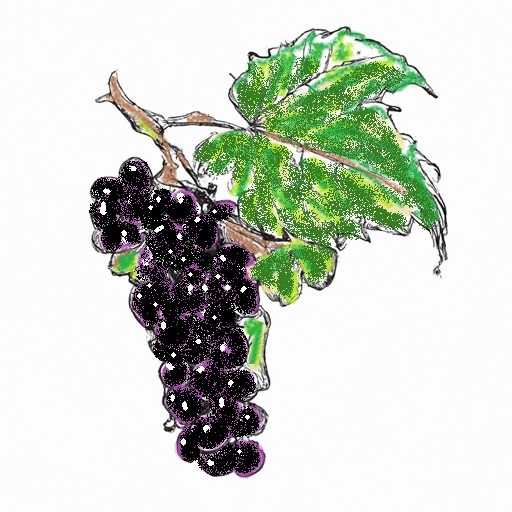
Cabernet Sauvignon is one of the most widely recognized and planted red wine grape varieties globally.
Cabernet Sauvignon is a red grape variety known for producing full-bodied, structured wines with rich flavors of black currant, plum, and black cherry. It is characterized by its deep color, firm tannins, and moderate to high acidity. Cabernet Sauvignon wines often exhibit complex aromas, including notes of cedar, tobacco, and sometimes green bell pepper. The grape is a key component in many Bordeaux blends and is also grown as a single varietal in various wine regions around the world. Cabernet Sauvignon wines are renowned for their aging potential, with the ability to develop additional complexity and nuance over time.
-----------------------------------------------
Cabernet Sauvignon is a red grape variety known for producing some of the world's most renowned and age-worthy wines. It is believed to have originated in the Bordeaux region of France through the natural crossing of Cabernet Franc and Sauvignon Blanc. Today, it is the most widely planted wine grape in the world, thriving in a variety of climates from Bordeaux, Napa Valley, and Tuscany to newer wine regions across the globe.
### Characteristics of Cabernet Sauvignon
- **Viticulture:** Cabernet Sauvignon is a hardy and resilient vine that adapts well to a range of climates, though it prefers warmer conditions to fully ripen. Its thick skin and resistance to disease contribute to its widespread cultivation.
- **Berry Profile:** The grapes are small and spherical with thick, dark blue skins. This high skin-to-juice ratio results in wines with deep color, substantial tannins, and high aging potential.
- **Flavor Profile:** Cabernet Sauvignon wines are known for their intense flavors that can include blackcurrant, blackberry, dark cherry, and plums. With age, or when made using certain winemaking techniques, they may also develop notes of cedar, tobacco, leather, and graphite.
- **Tannins and Aging:** The wines are high in tannins, which contributes to their structure and longevity. Cabernet Sauvignon can age beautifully, developing complexity over time. It is not uncommon for high-quality bottles to remain in good condition for several decades.
- **Winemaking:** Often aged in oak barrels, which contribute additional flavors such as vanilla, toast, and spice. The use of oak is a significant factor in the taste profile of many Cabernet Sauvignon wines.
- **Blending:** While many producers make 100% Cabernet Sauvignon wines, it is also a key component in blends, most famously with Merlot and Cabernet Franc in the traditional Bordeaux style. Blending can soften the wine and add complexity.
### Regions
- **Bordeaux:** Its original home, particularly on the Left Bank where it dominates the blends of prestigious appellations like Médoc and Pauillac.
- **California:** Napa Valley is renowned for its premium Cabernet Sauvignon, producing wines that are rich, full-bodied, and capable of aging.
- **Other Regions:** Cabernet Sauvignon has found success in Italy (especially in Tuscany), Chile, Australia, South Africa, and Argentina, among others.
### Food Pairings
Cabernet Sauvignon pairs well with rich and hearty dishes, such as steak, lamb, and game, as well as with dishes that feature bold flavors or rich sauces. The wine's high tannins make it a good match for fatty foods and can help to cleanse the palate.
### Popularity
Its widespread popularity is due not only to the wine's rich flavors and aging potential but also to its consistency across vintages and its ability to reflect the character of its terroir, making Cabernet Sauvignon a favorite among wine enthusiasts and collectors worldwide.
==========================
**Technical Profile of Cabernet Sauvignon**
Cabernet Sauvignon is one of the most widely recognized and cultivated red wine grape varieties in the world. Known for its resilience, adaptability, and ability to produce age-worthy wines, it thrives in a variety of climates and soil types. Below is a detailed technical profile:
---
### **Ampelographic Characteristics**
- **Berry size:** Small to medium
- **Berry shape:** Round
- **Berry color:** Deep blue-black with a thick skin
- **Bunch shape:** Cylindrical and compact, sometimes with small wings
- **Vine vigor:** Medium to high
- **Leaf shape:** Five-lobed with a distinct V-shaped petiole sinus
---
### **Growth and Climate**
- **Ripening period:** Late (mid to late autumn in most wine-growing regions)
- **Climate preference:** Thrives in moderate to warm climates but performs well in cooler areas if sufficiently sunny.
- **Frost resistance:** Moderate
- **Drought tolerance:** High due to its deep root system
- **Heat tolerance:** Good, though extreme heat can cause dehydration and shriveling
- **Yield:** Moderate to high, depending on vineyard management
---
### **Soil Preferences**
- **Soil types:** Versatile; performs well in gravelly, sandy, or clay-loam soils
- **Ideal soil:** Gravelly soils with good drainage (e.g., Left Bank of Bordeaux)
---
### **Wine Characteristics**
- **Acidity:** Moderate to high
- **Tannin structure:** High; firm and prominent
- **Aroma profile:**
- Primary: Blackcurrant, blackberry, cherry
- Secondary (cooler climates): Green bell pepper, mint, eucalyptus
- Tertiary (aging): Tobacco, leather, cedar, cigar box
- **Body:** Full-bodied
- **Aging potential:** Excellent, often improving with extended cellaring
- **Alcohol:** Typically 13-15% ABV
---
### **Disease and Pest Resistance**
- **Strengths:** Thick skin makes it relatively resistant to fungal diseases like botrytis (noble rot)
- **Weaknesses:** Susceptible to powdery mildew, downy mildew, and grape phylloxera
- **Management strategies:** Requires canopy management and careful monitoring for disease control
---
### **Viticulture Practices**
- **Pruning:** Generally trained to vertical shoot positioning (VSP) or similar systems to manage vigor
- **Density:** Medium to high planting density for quality; lower densities can increase yield
- **Harvesting:** Can be machine or hand-harvested depending on the vineyard and desired wine style
---
Cabernet Sauvignon's adaptability and robust characteristics make it the backbone of many iconic wines, from Bordeaux blends to single-varietal expressions in Napa Valley, Australia, Chile, and beyond.
0
0
[VARIETIES_#]
Specie
VITIS VINIFERA LINNÉ SUBSP. SATIVA (DE CANDOLLE) HEGI
Sex
Hermaphrodite

Cross
Cabernet Sauvignon

France
Aromatic
Teinturier
Piwi
Terroir
Climate
[CLIMATE]
Soil
[SOIL]
Vintage
Alcohol by Volume
Residual Sugar
[SUGAR]
Asidity
pH
Harvest
Ageing
Technical Note
Brand
Ageing Potential
Maceration
Fermentation
[ALCOHOL]
[ALCOHOL]
[ACIDITY]
[PH]
[HARVEST]
[AGING]
[TECHNILOGY]
[BRAND]
[BRAND]
[QUALITY]
[QUALITY]
Clarity
Color Intensity
Condition
Aroma Intensity
Taste Intensity
Development
Body
Mousse
Alcohol
Sweetness
Acidity
Finish
Astringency
Balance
Readiness
Quality
[CLARITY]
[COLOR INTENSITY]
[COLOR INTENSITY]
[COLOR INTENSITY]
[TASTE INTENSITY]
[TASTE INTENSITY]
[ALCOHOL]
[MOUSSE]
[ALCOHOL]
[SUGAR]
[ACIDITY]
[ACIDITY]
[ASTRINGENCY]
[BALANCE]
[READINESS]
[QUALITY]
Sugar
Acidity
Tannins
Berry
Cluster
Leaf
Skin Thickness
Skin Color
Budding
Ripening
Flowering
Thick
Noir
Late
Reference