Type
Hybrid
ANALOGUE

ANALOGUE
Hybrid
ANALOGUE
ANALOGUE
.jpg)

.jpg)
Albert Seibel
Private breeder
France

Add a Title
Add a Title

Add a Title
Add a Title
Add a Title
Add a Title

0

.jpg)
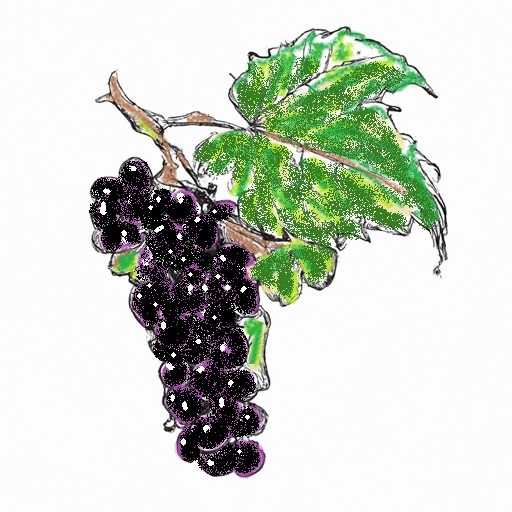
Chancellor grape variety, also known as Seibel 7053, is a hybrid grape widely used in winemaking, particularly in cooler climates such as the northeastern United States and Canada. Below is its technical profile:
### **General Information**
- **Species**: Interspecific hybrid (Seibel hybrid, a cross of European Vitis vinifera and American Vitis labrusca and Vitis riparia).
- **Origin**: Developed by Albert Seibel in France as part of efforts to create disease-resistant hybrid grape varieties.
### **Viticultural Characteristics**
- **Growth Habit**: Vigorous vine with a semi-upright growth pattern.
- **Climate Suitability**: Well-suited to cooler climates; tolerates cold winters but requires careful site selection for optimal ripening.
- **Soil Preferences**: Adaptable to a range of soils but performs best in well-drained, moderately fertile soils.
- **Ripening Period**: Mid-season to late (varies by region).
- **Yield**: Moderate to high yields with proper vineyard management.
- **Resistance**:
- Good resistance to fungal diseases such as downy mildew.
- Moderate resistance to powdery mildew.
- Susceptible to black rot in humid conditions.
---
### **Berry and Cluster Characteristics**
- **Cluster**: Medium-sized, compact clusters.
- **Berry Size**: Small to medium.
- **Berry Color**: Dark blue to purple, almost black when ripe.
- **Skin Thickness**: Medium, with good color extraction potential.
---
### **Winemaking Attributes**
- **Primary Use**: Red wine production.
- **Sugar Levels**: Moderate to high potential sugar content.
- **Acidity**: Balanced acidity, depending on harvest timing.
- **Aroma and Flavor Profile**:
- Wines typically exhibit aromas of dark fruit (black cherry, plum) and earthy undertones.
- Soft tannins and a smooth texture are common, making it suitable for blending or as a standalone varietal.
- **Styles**:
- Often used for table wines.
- Blends well with other varieties to add structure and depth.
---
### **Challenges**
- Requires careful pruning and canopy management to ensure proper air circulation and sunlight penetration.
- Black rot and occasional uneven ripening may require additional vineyard monitoring.
---
### **Regions of Cultivation**
- Predominantly grown in:
- Northeastern United States (New York, Pennsylvania, Michigan).
- Eastern Canada (Ontario, Quebec).
- Small plantings in cooler regions of Europe.
---
Would you like more information on its winemaking process or specific growing techniques?
0
0
[VARIETIES_#]
Specie
VITIS INTERSPECIFIC CROSSING
Sex
Hermaphrodite

Hybrid
Chancellor

France
Aromatic
Teinturier
Piwi
Terroir
Climate
[CLIMATE]
Soil
[SOIL]
Vintage
Alcohol by Volume
Residual Sugar
[SUGAR]
Asidity
pH
Harvest
Ageing
Technical Note
Brand
Ageing Potential
Maceration
Fermentation
[ALCOHOL]
[ALCOHOL]
[ACIDITY]
[PH]
[HARVEST]
[AGING]
[TECHNILOGY]
[BRAND]
[BRAND]
[QUALITY]
[QUALITY]
Clarity
Color Intensity
Condition
Aroma Intensity
Taste Intensity
Development
Body
Mousse
Alcohol
Sweetness
Acidity
Finish
Astringency
Balance
Readiness
Quality
[CLARITY]
[COLOR INTENSITY]
[COLOR INTENSITY]
[COLOR INTENSITY]
[TASTE INTENSITY]
[TASTE INTENSITY]
[ALCOHOL]
[MOUSSE]
[ALCOHOL]
[SUGAR]
[ACIDITY]
[ACIDITY]
[ASTRINGENCY]
[BALANCE]
[READINESS]
[QUALITY]
Sugar
Acidity
Tannins
Berry
Cluster
Leaf
Skin Thickness
Skin Color
Budding
Ripening
Flowering
Noir
Reference