Type
Cross
ANALOGUE

ANALOGUE
Cross
ANALOGUE
ANALOGUE
.jpg)

.jpg)
France

Add a Title
Add a Title

Add a Title
Add a Title
Add a Title
Add a Title

0
.jpg)
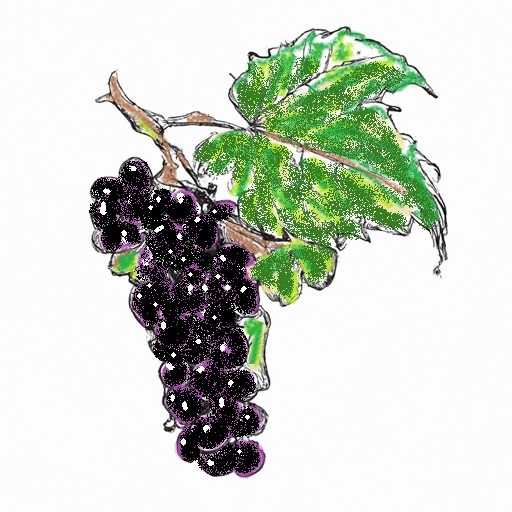
Durif grape variety, also known widely by its synonym Petite Sirah, is a red wine grape that originated in France in the late 19th century. Despite its origins, it has found a particularly successful home in California, as well as in Australia and other wine regions. Below is a detailed technical characteristic of the Durif grape variety:
### Origin and History
- **Parentage:** Created by Dr. François Durif, a French botanist, in the 1880s by crossing the Syrah grape with the Peloursin variety.
- **Geographical Spread:** Though it originated in France, it is now relatively rare there and more prominently found in California, Australia, and parts of Israel and South America.
### Viticultural Characteristics
- **Vigor:** Durif is a vigorous grower that can produce high yields if not carefully managed.
- **Bunch Size:** The grape clusters are typically small to medium in size, with tightly packed berries.
- **Berry Size:** The berries are small with thick skins, which contribute to the high tannin levels in the wine.
- **Disease Resistance:** It has a susceptibility to powdery mildew and requires vigilant canopy management to ensure good air circulation.
### Climatic Preferences
- **Heat:** Durif thrives in warm to hot climates, where it can fully ripen. It struggles in cooler climates, failing to develop its full flavor profile.
- **Sun Exposure:** Benefits from ample sunshine to reach optimal ripeness.
### Wine Characteristics
- **Color:** Wines made from Durif are typically very dark in color, often opaque with a deep purple hue.
- **Tannins:** High tannin levels are characteristic, contributed by the thick skins of the berries.
- **Acidity:** Moderate acidity levels.
- **Flavor Profile:** Rich, full-bodied wines with flavors of dark fruits like blackberry, blueberry, and plum, often with notes of chocolate, black pepper, and spices. With age, they can develop complex tertiary notes of leather, tobacco, and dark chocolate.
- **Aging Potential:** The high tannin and color levels of Durif wines give them excellent aging potential, allowing them to develop complexity over time. However, many are also enjoyable in their youth for their bold, fruit-forward character.
### Winemaking Considerations
- **Fermentation:** Often fermented at controlled, warm temperatures to ensure full extraction of color and tannins.
- **Oak Aging:** Commonly aged in oak barrels, which contributes to the wine's structure and introduces flavors of vanilla, toast, and spice.
### Modern Significance
- **Appellations:** In California, it is often labeled as Petite Sirah and has become a signature varietal for several producers. In Australia, it is found in warmer regions and used both in varietal wines and blends.
- **Consumer Appreciation:** Favored for its bold, robust profile and versatility with food, especially with meat dishes, barbecue, and richly flavored cheeses.
Durif offers a distinctive wine-drinking experience with its deep colors, intense flavors, and potential for aging. It represents a niche but beloved choice among red wine varieties, appreciated for its unique characteristics and contribution to the diversity of the wine world.
-----------------------------------
The Petit Syrah (Petite Sirah or Durif in some regions) grape variety is known for producing deeply colored, robust, and tannic wines, primarily in California, where it has found a particular niche, as well as in parts of France and Australia. Originating as a cross between Syrah and Peloursin, developed by Dr. François Durif in France in the late 19th century, it was intended to resist powdery mildew better than its parent, Syrah. However, it largely fell out of favor in Europe due to its susceptibility to other diseases and its tendency to produce large quantities of deeply pigmented, tannic wine. Here is a detailed technical characteristic of the Petit Syrah grape variety:
### General Characteristics:
- **Color:** Produces wines that are deep in color, almost inky dark, which is a hallmark of the variety.
- **Flavor Profile:** Petit Syrah wines are known for their rich, full flavors, with notes of black fruit such as blackberry, blueberry, and plum, often accompanied by spices, black pepper, and sometimes a hint of dark chocolate or licorice.
- **Tannins/Acidity:** These wines are high in tannins and have a moderate to high acidity, contributing to their aging potential.
- **Body:** Typically full-bodied, with a robust structure and a strong presence on the palate.
### Viticultural Characteristics:
- **Vigor:** The Petit Syrah vine is vigorous and can produce high yields if not properly managed.
- **Berry Size:** The grape berries are small to medium-sized, contributing to a higher skin to juice ratio, which in turn leads to more intense color and tannin in the wine.
- **Cluster Formation:** Clusters are tight, which can make them susceptible to bunch rot in humid conditions.
- **Disease Resistance:** While it was bred to be resistant to powdery mildew, Petit Syrah can be susceptible to other diseases and pests, requiring careful vineyard management.
### Growing Regions:
- **United States:** Particularly in California, where it has become popular in regions such as Napa Valley, Sonoma County, and Paso Robles.
- **France:** Limited plantings can be found, primarily in the Rhône region, where it originated but is not widely grown.
- **Australia:** Known as Durif, it is found in Victoria and New South Wales, where it produces similarly robust wines.
### Winemaking:
- **Oak Aging:** Petit Syrah wines often benefit from aging in oak, which can help soften tannins and add complexity to the flavor profile.
- **Blending:** Sometimes used in blends to add color, tannin, and flavor intensity to other red wines.
- **Aging Potential:** The high tannin content and acidity level give Petit Syrah wines significant aging potential, with many wines improving over a decade or more in the bottle.
### Wine Style:
- **Profile:** Wines made from Petit Syrah are often powerful and intense, suited to those who appreciate bold red wines.
- **Food Pairing:** Its robust nature pairs well with hearty dishes, such as grilled meats, stews, barbecue, and strong cheeses.
Petit Syrah has carved out a unique place for itself in the wine world, especially in regions where its characteristics are embraced and expertly managed from vineyard to bottle, resulting in wines of remarkable depth and intensity.
0
0
[VARIETIES_#]
Specie
VITIS VINIFERA LINNÉ SUBSP. SATIVA (DE CANDOLLE) HEGI
Sex
Hermaphrodite

Cross
Durif

France
Aromatic
Teinturier
Piwi
Terroir
Climate
[CLIMATE]
Soil
[SOIL]
Vintage
Alcohol by Volume
Residual Sugar
[SUGAR]
Asidity
pH
Harvest
Ageing
Technical Note
Brand
Ageing Potential
Maceration
Fermentation
[ALCOHOL]
[ALCOHOL]
[ACIDITY]
[PH]
[HARVEST]
[AGING]
[TECHNILOGY]
[BRAND]
[BRAND]
[QUALITY]
[QUALITY]
Clarity
Color Intensity
Condition
Aroma Intensity
Taste Intensity
Development
Body
Mousse
Alcohol
Sweetness
Acidity
Finish
Astringency
Balance
Readiness
Quality
[CLARITY]
[COLOR INTENSITY]
[COLOR INTENSITY]
[COLOR INTENSITY]
[TASTE INTENSITY]
[TASTE INTENSITY]
[ALCOHOL]
[MOUSSE]
[ALCOHOL]
[SUGAR]
[ACIDITY]
[ACIDITY]
[ASTRINGENCY]
[BALANCE]
[READINESS]
[QUALITY]
Sugar
Acidity
Tannins
Berry
Cluster
Leaf
Skin Thickness
Skin Color
Budding
Ripening
Flowering
Noir
Reference