Add a Title
Add a Title

Add a Title
Add a Title
Add a Title
Add a Title

.jpg)
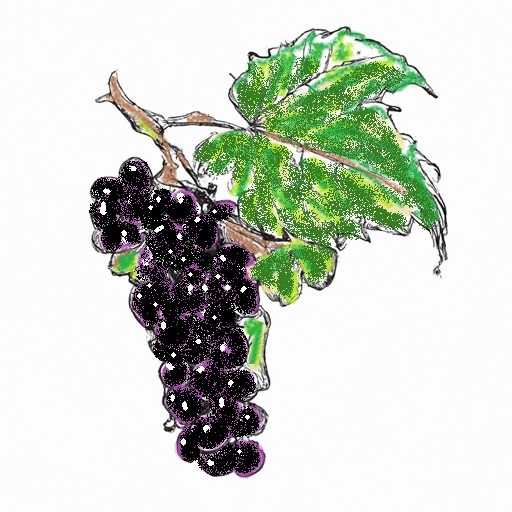
Gamay is believed to have originated in the Burgundy region of France. It gained prominence in the Beaujolais region, where it is most famous.
- **Viticultural Traits:**
- **Vigour:** Moderate to high
- **Yield:** Generally high
- **Harvest:** Mid to late season
- **Berry Characteristics:**
- **Size:** Medium-sized
- **Shape:** Round
- **Color:** Dark purple to black
- **Flavor Profile:**
- **Taste:** Generally low to moderate acidity
- **Aromas:** Red fruit aromas such as cherry, raspberry, and sometimes banana or bubblegum in some Gamay Nouveau styles
- **Wine Styles:**
- **Red Wines:** Gamay is primarily used to produce red wines that are typically light to medium-bodied with fresh fruit flavors. The most famous expression is Beaujolais Nouveau, which is released shortly after harvest and known for its vibrant and fruity character.
- **Rosé Wines:** Some producers use Gamay to produce rosé wines with bright acidity and red fruit notes.
- **Winemaking Considerations:**
- **Fermentation:** Often undergoes carbonic maceration, a winemaking technique that enhances fruity flavors.
- **Oak Usage:** Traditionally, Gamay is not heavily oaked, although some producers experiment with oak aging.
- **Acidity:** Gamay wines generally have moderate acidity, contributing to their freshness.
- **Ageing Potential:** While many Gamay wines are meant to be consumed young, some high-quality examples from certain Crus in Beaujolais can age well and develop additional complexity.
- **Susceptibility to Diseases:**
- **Disease Resistance:** Generally resistant to common vineyard diseases.
- **Regulatory Designations:**
- **Beaujolais Crus:** In the Beaujolais region, Gamay is grown in specific Crus (designated vineyard areas) that include ten appellations such as Morgon, Fleurie, and Moulin-à-Vent.
- **Other Characteristics:**
- **Food Pairing:** Gamay wines are versatile and pair well with a range of foods, including charcuterie, poultry, and grilled dishes.
- **Terroir Influence:** The terroir, especially in Beaujolais, can significantly influence the character of Gamay wines, with each Cru expressing unique characteristics.
Keep in mind that Gamay's characteristics can vary based on the region of cultivation, winemaking techniques, and vineyard management practices. The grape's popularity has been steadily growing, and it is now cultivated in various wine regions around the world.
0
0
[VARIETIES_#]
Specie
VITIS VINIFERA LINNÉ SUBSP. SATIVA (DE CANDOLLE) HEGI
Sex
Hermaphrodite

Cross
Gamay

France
Type
Cross
ANALOGUE

ANALOGUE
Cross
ANALOGUE
ANALOGUE
.jpg)

.jpg)
France
0
Aromatic
Teinturier
Piwi
Terroir
Climate
[CLIMATE]
Soil
[SOIL]
Vintage
Alcohol by Volume
Residual Sugar
Asidity
pH
Harvest
Ageing
Technical Note
Brand
Ageing Potential
Maceration
Fermentation
[ALCOHOL]
[ALCOHOL]
[SUGAR]
[ACIDITY]
[PH]
[HARVEST]
[AGING]
[TECHNILOGY]
[BRAND]
[BRAND]
[QUALITY]
[QUALITY]
Clarity
Color Intensity
Condition
Aroma Intensity
Taste Intensity
Development
Body
Mousse
Alcohol
Sweetness
Acidity
Finish
Astringency
Balance
Readiness
Quality
[CLARITY]
[COLOR INTENSITY]
[COLOR INTENSITY]
[COLOR INTENSITY]
[TASTE INTENSITY]
[TASTE INTENSITY]
[ALCOHOL]
[MOUSSE]
[ALCOHOL]
[SUGAR]
[ACIDITY]
[ACIDITY]
[ASTRINGENCY]
[BALANCE]
[READINESS]
[QUALITY]
Sugar
Acidity
Tannins
Berry
Cluster
Leaf
Skin Thickness
Skin Color
Budding
Ripening
Noir
Early
Reference