Type
Native
ANALOGUE

ANALOGUE
Native
ANALOGUE
ANALOGUE
.jpg)

.jpg)
Spain

Add a Title
Add a Title

Add a Title
Add a Title
Add a Title
Add a Title

0
.jpg)
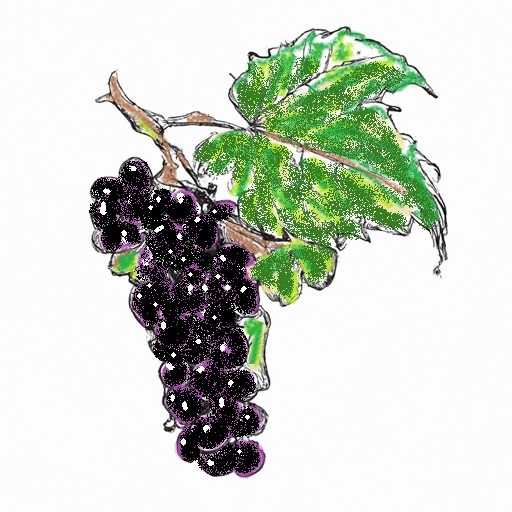
Garnacha Tinta, also known as Grenache Noir in France and simply Grenache in many international markets, is one of the most widely planted red wine grape varieties in the world. Known for its strong berry flavors, high alcohol, and soft tannins, Garnacha Tinta is versatile in winemaking, used in everything from robust reds to light rosés and even fortified wines. Its adaptability to hot, dry climates makes it a favored variety in regions such as northeastern Spain (its likely origin), the south of France (notably in Rhône blends), and various New World wine regions.
### Technical Characteristics of the Garnacha Tinta Grape Variety
**Viticultural Characteristics:**
- **Climate Adaptation:** Garnacha Tinta thrives in hot, dry climates and is drought-resistant. It's well-suited to windy conditions, which help reduce the risk of vine diseases.
- **Soil Preferences:** While adaptable to many soil types, it performs best in deep, well-drained soils that can retain warmth, such as sandy and stony soils.
- **Vine Vigor:** Garnacha Tinta is a vigorous and hardy vine, capable of producing high yields if not carefully managed. However, lower yields are generally preferred for producing wines of higher quality.
- **Bud-burst and Ripening:** It buds early and ripens late, making it susceptible to spring frosts but beneficial for developing full flavors in warm growing seasons.
- **Disease Resistance:** While resistant to wind and drought, it can be susceptible to various vine diseases, including powdery mildew and botrytis, particularly in damp conditions.
**Winemaking Characteristics:**
- **Color and Tannins:** Wines made from Garnacha Tinta can vary in color from medium to very deep red, with relatively low tannins that are typically soft and smooth.
- **Flavor Profile:** Characterized by its high alcohol and lush berry flavors (strawberries, raspberries, and black cherries), it often features white pepper, cinnamon, and other spicy notes, with older vines contributing more depth and intensity.
- **Aging Potential:** Garnacha Tinta wines vary in their aging potential. While many are best consumed young and fresh, particularly rosés and some lighter reds, those from older vines or more concentrated yields can age well, developing complex spice, leather, and tar flavors.
- **Blending:** Frequently used in blends to add body, alcohol, and fruitiness, Garnacha Tinta is a key component of Rhône Valley blends (such as Châteauneuf-du-Pape), as well as in Spain for Rioja and Priorat wines.
**Regional Variations:**
- In Spain, it's often found in the regions of Aragón, Catalonia (Priorat), and Navarra, where it can be made into varietal wines or used in blends.
- In France, it's a cornerstone of Southern Rhône blends and Languedoc-Roussillon wines.
- New World regions, including Australia and California, are increasingly appreciating Garnacha/Grenache, exploring its potential in both blends and as a varietal wine.
**Trends and Innovations:**
- There's a growing interest in old-vine Garnacha Tinta, particularly from Spain and France, for its concentration and complexity.
- Sustainable and organic viticulture practices are becoming more common among Garnacha growers, reflecting broader trends in the wine industry towards environmental responsibility.
Garnacha Tinta's popularity stems from its fruity profile, versatility in winemaking, and ability to express terroir, making it a favorite among both winemakers and wine enthusiasts.
0
0
[VARIETIES_#]
Specie
VITIS VINIFERA LINNÉ SUBSP. SATIVA (DE CANDOLLE) HEGI
Sex
Hermaphrodite

Native
Garnacha Tinta

Spain
Aromatic
Teinturier
Piwi
Terroir
Climate
[CLIMATE]
Soil
[SOIL]
Vintage
Alcohol by Volume
Residual Sugar
[SUGAR]
Asidity
pH
Harvest
Ageing
Technical Note
Brand
Ageing Potential
Maceration
Fermentation
[ALCOHOL]
[ALCOHOL]
[ACIDITY]
[PH]
[HARVEST]
[AGING]
[TECHNILOGY]
[BRAND]
[BRAND]
[QUALITY]
[QUALITY]
Clarity
Color Intensity
Condition
Aroma Intensity
Taste Intensity
Development
Body
Mousse
Alcohol
Sweetness
Acidity
Finish
Astringency
Balance
Readiness
Quality
[CLARITY]
[COLOR INTENSITY]
[COLOR INTENSITY]
[COLOR INTENSITY]
[TASTE INTENSITY]
[TASTE INTENSITY]
[ALCOHOL]
[MOUSSE]
[ALCOHOL]
[SUGAR]
[ACIDITY]
[ACIDITY]
[ASTRINGENCY]
[BALANCE]
[READINESS]
[QUALITY]
Sugar
Acidity
Tannins
Berry
Cluster
Leaf
Skin Thickness
Skin Color
Budding
Ripening
Flowering
Noir
Reference