Add a Title
Add a Title

Add a Title
Add a Title
Add a Title
Add a Title

.jpg)
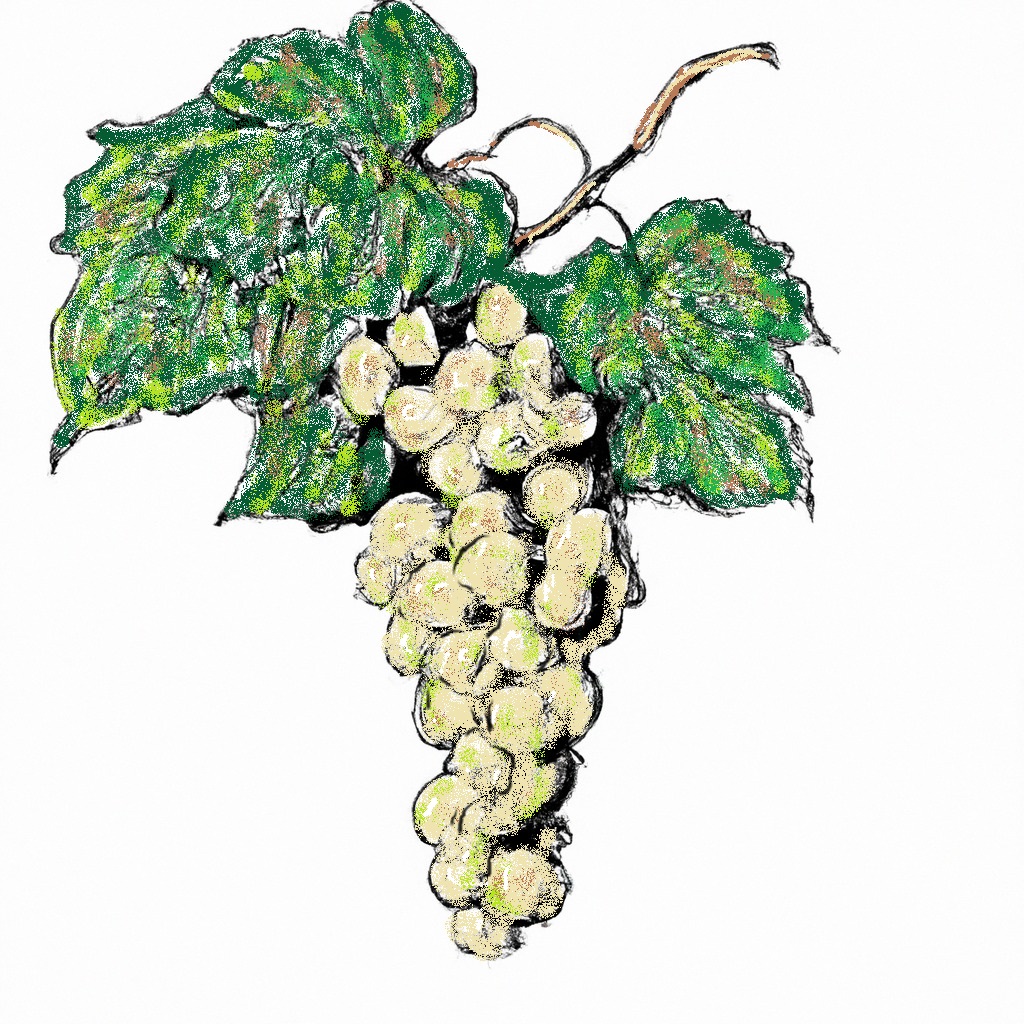
Below is a **comprehensive technical profile of Glera**, written at professional viticultural and oenological depth, with a clear introduction and regulatory, genetic, and sensory detail.
---
## Glera – Technical Profile
### Introduction
**Glera** is a historic **white grape variety of northeastern Italy** and the **foundation of Prosecco**. Formerly known as *Prosecco*, the variety was officially renamed **Glera in 2009** to protect the geographical name *Prosecco* as a denomination of origin.
Glera is valued for its **high natural acidity, moderate sugar accumulation, and delicate aromatic profile**, making it ideally suited to **Charmat–Martinotti sparkling wine production**. Its genetic plasticity has given rise to multiple stable biotypes (notably *Glera Tonda* and *Glera Lunga*), which contribute structural diversity within Prosecco blends.
---
## 1. Classification & Synonyms
* **Primary name:** Glera
* **Former name:** Prosecco
* **Species:** *Vitis vinifera*
* **Origin:** Veneto–Friuli, Italy
* **Synonyms (historic/ampelographic):** Prosecco, Serprino (Euganean Hills context)
---
## 2. Regulatory Status
### Appellation Use
* **Mandatory grape** in:
* Prosecco DOC
* Conegliano Valdobbiadene Prosecco DOCG
* Asolo Prosecco DOCG
### Legal Requirements
* **Minimum content:** **85% Glera**
* **Maximum complementary varieties:** 15%
* **Permitted blending partners:** Verdiso, Bianchetta Trevigiana, Perera, Glera Lunga, Chardonnay, Pinot Bianco, Pinot Grigio (DOC only)
---
## 3. Genetic & Clonal Context
* **DNA (SSR markers):** Identical across all Glera biotypes
* **Variability source:** Somatic mutations & clonal divergence
* **Recognized biotypes:**
* Standard Glera
* Glera Tonda (round berries, softer acidity)
* Glera Lunga (elongated clusters, higher acidity)
Clonal selection is critical for balancing acidity, yield, and disease pressure.
---
## 4. Ampelographic Characteristics
### Vine
* **Vigor:** Medium to high
* **Growth habit:** Semi-erect
* **Budburst:** Early–medium
* **Ripening:** Mid-season
### Cluster
* **Shape:** Pyramidal, winged
* **Size:** Medium to large
* **Compactness:** Medium
### Berry
* **Shape:** Ellipsoidal
* **Size:** Medium
* **Skin:** Thin, green-yellow
* **Pulp:** Juicy, neutral-flavored
---
## 5. Viticulture
### Climate
* Temperate continental with Adriatic influence
* Sensitive to spring frost due to early budburst
* Responds well to diurnal temperature variation
### Soils
* Alluvial clays (DOC plains)
* Marl, sandstone, limestone (DOCG hills)
### Training Systems
* **Sylvoz** (high-yield DOC areas)
* **Guyot / Double-arched cane** (quality-focused sites)
### Yield
* Naturally productive
* Requires yield control for quality Prosecco
* Excess yield reduces aromatic precision
---
## 6. Disease Sensitivity
* **Downy mildew:** Moderate
* **Powdery mildew:** Moderate
* **Botrytis:** Moderate–high (thin skins)
* **Drought tolerance:** Moderate
---
## 7. Harvest & Must Composition
* **Harvest period:** Early–mid September
* **Typical must parameters:**
* Sugar: 16–18 °Brix
* Total acidity: 5.8–7.5 g/L (tartaric)
* pH: 3.10–3.30
Harvest timing prioritizes **acid retention over sugar accumulation**.
---
## 8. Vinification Characteristics
### Primary Fermentation
* Stainless steel
* Temperature: **14–18 °C**
* Neutral yeast strains
* Base wine alcohol: ~9.5–10.5% abv
### Secondary Fermentation
* **Charmat–Martinotti method**
* Autoclave fermentation: 30–90 days
* Pressure (Spumante): ≥5 bar
### Lees Contact
* Minimal to moderate
* Focus on freshness, not autolysis
---
## 9. Sensory Profile
### Aromatics
* Green apple
* Pear
* White peach
* Citrus zest
* White flowers (acacia, wisteria)
### Palate
* Light body
* High acidity
* Low phenolics
* Clean, refreshing finish
---
## 10. Oenological Role
* Ideal base for:
* Brut & Extra-Dry sparkling wines
* Fresh, fruit-driven styles
* Limited suitability for:
* Extended ageing
* Oak influence
Blending with biotypes or minor varieties adjusts structure and balance.
---
## 11. Ageing & Consumption
* Best consumed **young**
* Optimal window: **12–24 months** post-bottling
* Limited bottle-ageing capacity
---
## 12. Market & Identity Notes
* Name change (Prosecco → Glera) protects denomination
* One of the most planted white varieties in Italy
* Central to global sparkling wine production
---
### Summary
**Glera** is a **high-acid, delicately aromatic white variety** whose technical strengths lie in freshness, balance, and adaptability to Charmat-method sparkling wine. Its biotypic diversity allows producers to fine-tune Prosecco styles in response to terroir and climate.
---
If you want, I can also provide:
* Clone performance matrix by sub-zone
* Comparative profile: Glera vs Chardonnay (Charmat use)
* Climate-change adaptation strategies
* Yeast and fermentation protocol recommendations
* Export-ready technical data table (Excel-compatible)
===============================
Below is a **technical, research-level overview of clonal and DNA distinctions among Glera biotypes**, written for viticultural and oenological reference, and aligned with current Italian ampelographic and genetic literature.
---
# Clonal and DNA Distinctions among Glera Biotypes
## 1. Background: Glera and Its Biotypes
**Glera** (formerly *Prosecco*) is an ancient *Vitis vinifera* variety characterized by **high intra-varietal variability**, resulting from:
* Long vegetative propagation
* Mass selection in mixed vineyards
* Limited historical clonal sanitation
This has produced several **stable biotypes**, notably:
* **Glera (standard)**
* **Glera Tonda**
* **Glera Lunga**
These are **not separate varieties** but **intra-varietal biotypes**—genetically extremely close, yet phenotypically distinct.
---
## 2. DNA Identity: Are They the Same Grape?
### SSR (Microsatellite) Analysis
* Standard SSR markers (VVS2, VVMD5, VVMD7, VVMD27, VrZAG62, VrZAG79)
* Result:
**All Glera biotypes share identical SSR profiles**
👉 **Conclusion:**
From a legal and varietal standpoint, **Glera, Glera Tonda, and Glera Lunga are the same variety**.
This is why they are:
* Grouped under *Glera* in registries
* Permitted together under Prosecco regulations
---
## 3. Where Differences Actually Come From
### 3.1 Somatic Mutations
* Minor mutations in **non-coding DNA regions**
* Not captured by standard SSR markers
* Affect:
* Cluster morphology
* Berry shape
* Ripening dynamics
* Acid metabolism
These mutations accumulate over centuries of clonal propagation.
---
## 4. Clonal Distinction (Official Italian Clones)
### Recognized Clonal Selections (Examples)
Registered clones often reflect biotype traits rather than being labeled as “Tonda” or “Lunga”.
| Clone Code | Morphological Tendency | Notes |
| -------------- | ---------------------- | ----------------------------------- |
| **ISV-CV 4** | Standard Glera | Balanced yield, neutral aromatics |
| **ISV-CV 5** | Tonda-like | More compact clusters, higher sugar |
| **ISV-CV 7** | Lunga-like | Looser clusters, higher acidity |
| **VCR Series** | Mixed | Certified virus-free selections |
⚠️ Clone names rarely state “Tonda” or “Lunga”; identification relies on **ampelography + performance**.
---
## 5. Ampelography vs Genetics
### Morphological Markers
Used in the field to identify biotypes:
| Trait | Glera | Glera Tonda | Glera Lunga |
| -------------- | ----------- | ----------- | ----------- |
| Berry shape | Oval | **Round** | Elongated |
| Cluster length | Medium | Short | **Long** |
| Compactness | Medium | **High** | Low |
| Ripening | Mid | Early-mid | **Late** |
| Acidity | Medium-high | Medium | **High** |
These traits are **heritable through cuttings**, confirming stable biotypes despite identical SSR DNA.
---
## 6. Advanced Genetic Research
### SNP & Epigenetic Studies
More sensitive techniques (SNP arrays, methylation analysis) have shown:
* Small genetic divergence between biotypes
* Epigenetic regulation of:
* Organic acid retention
* Berry development timing
* Cluster architecture
These differences explain:
* Higher acidity in Glera Lunga
* Greater botrytis susceptibility in Glera Tonda
* Structural role differentiation in blends
---
## 7. Why Biotypes Matter Oenologically
### Practical Implications
| Goal | Preferred Biotype |
| ------------------------------ | --------------------- |
| Acid retention (warm vintages) | **Glera Lunga** |
| Texture & softness | **Glera Tonda** |
| Aromatic balance | Standard Glera |
| Low-dosage Prosecco | Lunga-dominant clones |
| Extra-Dry / Dry styles | Tonda-leaning clones |
Biotype selection is increasingly strategic under **climate-change pressure**.
---
## 8. Legal & Registry Treatment
* Italian National Grape Register:
* Lists **Glera** as one variety
* Biotypes are **not separate entries**
* Nurseries market clones based on **performance**, not biotype name
* Consorzio encourages **biotype diversity** for resilience
---
## 9. Key Takeaway
> **Glera biotypes are genetically the same grape at the SSR level, but clonal divergence and somatic mutation create stable, heritable differences with real viticultural and oenological impact.**
This places Glera alongside varieties like:
* Pinot Noir (Pinot Fin / Meunier analogy)
* Sangiovese (Brunello vs Prugnolo)
* Nebbiolo (Lampia / Michet / Rosé)
---
## 10. Summary Table
| Aspect | Glera Biotypes |
| -------------------- | --------------- |
| Varietal DNA | Identical (SSR) |
| Clonal differences | Yes |
| Somatic mutation | Yes |
| Epigenetic variation | Likely |
| Legal separation | No |
| Oenological impact | **High** |
---
If you want, I can also provide:
* Clone-by-clone viticultural performance data
* Recommended biotype mix by Prosecco sub-zone
* Climate-adaptation strategies using Glera biotypes
* Comparison with Pinot biotype genetics
* Export-ready technical tables (Excel compatible)
0
0
[VARIETIES_#]
Specie
VITIS VINIFERA LINNÉ SUBSP. SATIVA (DE CANDOLLE) HEGI
Sex
Hermaphrodite

Cross
Glera

Type
Cross
ANALOGUE

ANALOGUE
Cross
ANALOGUE
ANALOGUE
.jpg)
.jpg)
0
Aromatic
Teinturier
Piwi
Terroir
Climate
[CLIMATE]
Soil
[SOIL]
Vintage
Alcohol by Volume
Residual Sugar
Asidity
pH
Harvest
Ageing
Technical Note
Brand
Ageing Potential
Maceration
Fermentation
[ALCOHOL]
[ALCOHOL]
[SUGAR]
[ACIDITY]
[PH]
[HARVEST]
[AGING]
[TECHNILOGY]
[BRAND]
[BRAND]
[QUALITY]
[QUALITY]
Clarity
Color Intensity
Condition
Aroma Intensity
Taste Intensity
Development
Body
Mousse
Alcohol
Sweetness
Acidity
Finish
Astringency
Balance
Readiness
Quality
[CLARITY]
[COLOR INTENSITY]
[COLOR INTENSITY]
[COLOR INTENSITY]
[TASTE INTENSITY]
[TASTE INTENSITY]
[ALCOHOL]
[MOUSSE]
[ALCOHOL]
[SUGAR]
[ACIDITY]
[ACIDITY]
[ASTRINGENCY]
[BALANCE]
[READINESS]
[QUALITY]
Sugar
Acidity
High
Tannins
Berry
Cluster
Leaf
Skin Thickness
Skin Color
Budding
Ripening
Blanc
Reference