Add a Title
Add a Title

Add a Title
Add a Title
Add a Title
Add a Title

.jpg)
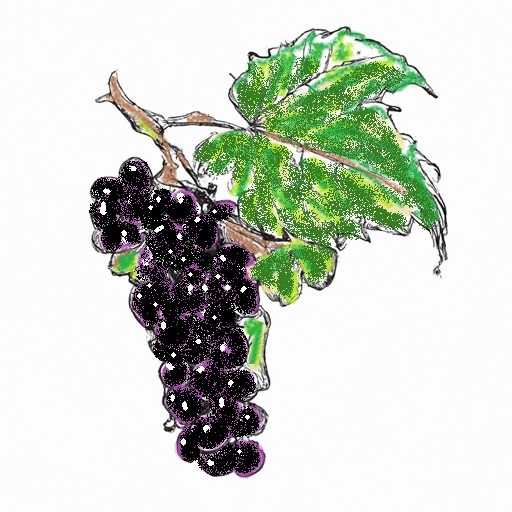
Gros Cabernet grape variety is not as widely recognized or documented as other members of the Cabernet family, such as Cabernet Sauvignon or Cabernet Franc. It's possible that "Gros Cabernet" might be a lesser-known synonym for one of these varieties or a specific clone or cross involving them, but without more specific context, it's challenging to provide detailed characteristics. However, I can offer a general overview based on what is typically associated with the Cabernet family of grapes, bearing in mind that specific characteristics can vary depending on the actual variety in question.
### General Characteristics of the Cabernet Family
#### Viticulture
- **Vigour:** Members of the Cabernet family tend to be vigorous growers, requiring careful canopy management to ensure sunlight penetration and air circulation for grape development.
- **Yield:** They can vary in yield, with management practices in place to control productivity in favor of producing high-quality fruit.
- **Ripening:** Typically, Cabernet grapes ripen mid to late season. They require a warm climate to fully mature and develop their characteristic flavors.
#### Disease Resistance
- Varieties in the Cabernet family have varying levels of resistance to common vine diseases. They generally have good resistance to rot but can be susceptible to pests and diseases like powdery mildew without proper management.
### Wine Characteristics
- **Color:** Wines made from Cabernet varieties are known for their deep color, with young wines showing particularly intense purple hues that evolve into garnet as they age.
- **Tannins:** High tannin levels are a hallmark, contributing to the structure and aging potential of the wines.
- **Acidity:** Moderate to high acidity levels are typical, adding to the wine's freshness and balance.
- **Flavors and Aromas:** The flavor profile often includes black currant, tobacco, mint, and green bell pepper, with variations depending on the specific variety and terroir. Oak aging can introduce additional layers of complexity, such as vanilla, cedar, and spice.
### Specific to Gros Cabernet
Without precise details on "Gros Cabernet," it's difficult to provide tailored information. If "Gros Cabernet" refers to a specific clone or cross of Cabernet Sauvignon or another Cabernet variety, the characteristics might align closely with the parent variety but with unique nuances that differentiate it, such as variations in berry size, cluster density, or specific flavor and aroma profiles. It's also possible that "Gros Cabernet" could refer to a historical or less common variety whose detailed attributes are not well-documented in widely available viticultural resources.
For accurate and detailed information about Gros Cabernet, consulting specific viticultural research or regional grape growing associations where this variety is known to be cultivated would be necessary.
0
0
[VARIETIES_#]
Specie
VITIS VINIFERA LINNÉ SUBSP. SATIVA (DE CANDOLLE) HEGI
Sex
Hermaphrodite

Cross
Gros Cabernet

France
Type
Cross
ANALOGUE

ANALOGUE
Cross
ANALOGUE
ANALOGUE
.jpg)

.jpg)
France
0
Aromatic
Teinturier
Piwi
Terroir
Climate
[CLIMATE]
Soil
[SOIL]
Vintage
Alcohol by Volume
Residual Sugar
Asidity
pH
Harvest
Ageing
Technical Note
Brand
Ageing Potential
Maceration
Fermentation
[ALCOHOL]
[ALCOHOL]
[SUGAR]
[ACIDITY]
[PH]
[HARVEST]
[AGING]
[TECHNILOGY]
[BRAND]
[BRAND]
[QUALITY]
[QUALITY]
Clarity
Color Intensity
Condition
Aroma Intensity
Taste Intensity
Development
Body
Mousse
Alcohol
Sweetness
Acidity
Finish
Astringency
Balance
Readiness
Quality
[CLARITY]
[COLOR INTENSITY]
[COLOR INTENSITY]
[COLOR INTENSITY]
[TASTE INTENSITY]
[TASTE INTENSITY]
[ALCOHOL]
[MOUSSE]
[ALCOHOL]
[SUGAR]
[ACIDITY]
[ACIDITY]
[ASTRINGENCY]
[BALANCE]
[READINESS]
[QUALITY]
Sugar
Acidity
Tannins
Berry
Cluster
Leaf
Skin Thickness
Skin Color
Budding
Ripening
Noir
Reference