Type
Cross
ANALOGUE

ANALOGUE
Cross
ANALOGUE
ANALOGUE
.jpg)

.jpg)
1944-1997
Helmut Becker
Geisenheim University Institute for Grape Breeding
Germany

Add a Title
Add a Title

Add a Title
Add a Title
Add a Title
Add a Title

0
.jpg)
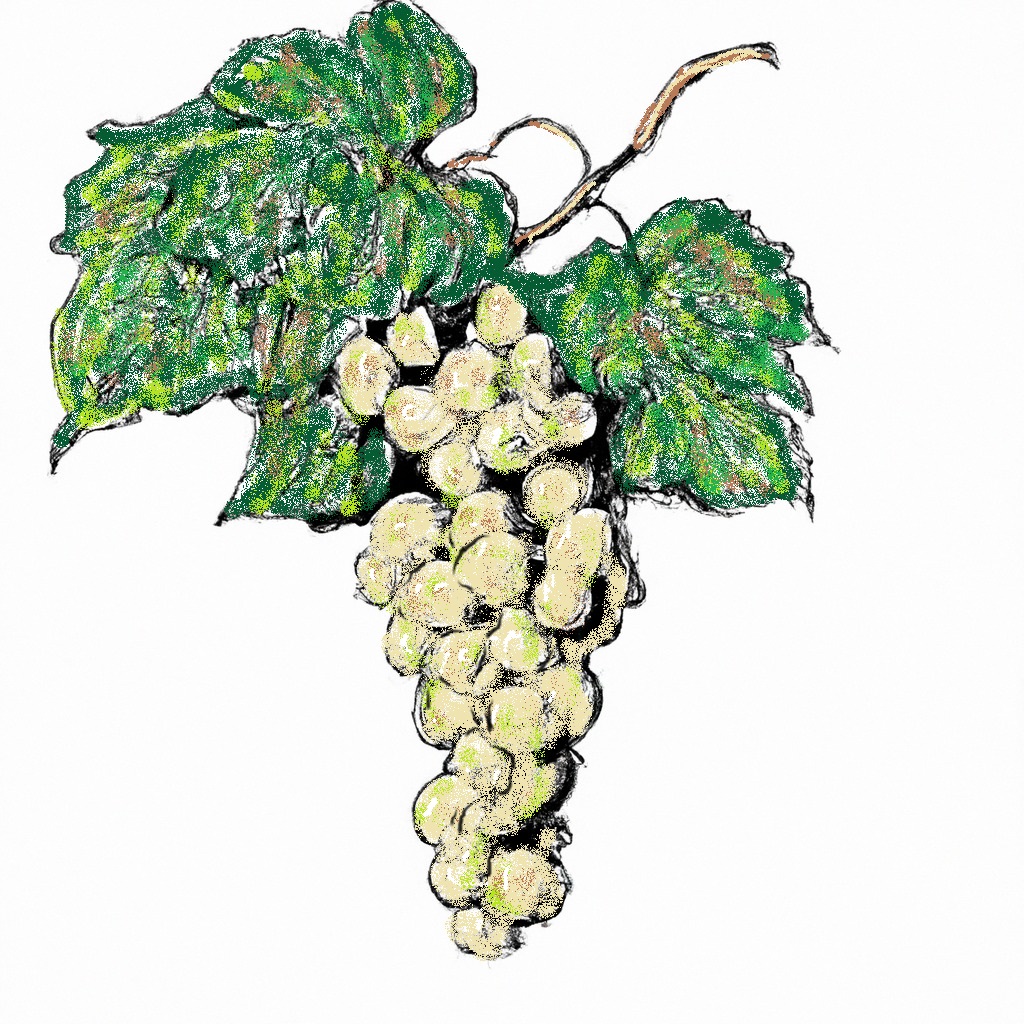
Hibernal grape variety is a white grape bred for wine production, known for its cold-hardiness and disease resistance. It is less widely known compared to traditional European grape varieties and is primarily cultivated in cooler wine regions where growers face challenges with frost and vine diseases. Here's a detailed look at its technical characteristics:
Hibernal is a hybrid grape variety that was developed to withstand harsh winter conditions and resist common vine diseases. It is often found in cooler wine-growing regions of Europe, including Germany and other parts of Central and Eastern Europe.
It is a cross between Chancellor (Seibel 7053) and Riesling (White Riesling), combining the disease resistance and hardiness of the former with the aromatic qualities of the latter.
### Viticultural Characteristics
- **Vigor:** Hibernal exhibits strong vigor, meaning it grows robustly in suitable conditions.
- **Hardiness:** One of the variety's key attributes is its ability to withstand cold winter temperatures, making it suitable for cooler climates that challenge other more sensitive varieties.
- **Disease Resistance:** It shows good resistance to several common vine diseases, including downy mildew and powdery mildew, reducing the need for chemical treatments in the vineyard.
### Growth and Yield
- **Bud Break:** Typically early, making it somewhat susceptible to late spring frosts in cooler climates.
- **Yield:** Hibernal can produce high yields, but careful vineyard management is necessary to maintain grape quality.
### Winemaking and Wine Profile
- **Wine Style:** Hibernal is used to produce white wines that can range from dry to sweet, often depending on harvest time and winemaking techniques.
- **Aromatics and Flavors:** The wines from Hibernal can exhibit a range of aromas and flavors, including citrus fruits, green fruits, and floral notes, with a refreshing acidity. The Riesling parentage contributes to its aromatic complexity.
- **Acidity:** Hibernal grapes typically retain good levels of acidity, which contributes to the freshness and longevity of the wines produced from it.
### Adaptation and Cultivation
- **Geographical Distribution:** While not as widely planted as more famous varieties, Hibernal has found a niche in cooler wine-growing regions where its hardiness and disease resistance are particularly valued. It is also explored in experimental vineyards looking for varieties that can cope with changing climate conditions.
Hibernal offers a promising option for winemakers in cooler climates, providing a blend of hardiness, disease resistance, and winemaking versatility. Its ability to produce aromatic white wines that retain good acidity makes it an interesting variety for producing distinct and regionally unique wines. As the wine industry continues to adapt to climate challenges, varieties like Hibernal are gaining attention for their resilience and potential contribution to sustainable viticulture.
0
0
[VARIETIES_#]
Specie
VITIS VINIFERA LINNÉ SUBSP. SATIVA (DE CANDOLLE) HEGI
Sex
Hermaphrodite

Cross
Hibernal

Germany
Aromatic
Teinturier
Piwi
Terroir
Climate
[CLIMATE]
Soil
[SOIL]
Vintage
Alcohol by Volume
Residual Sugar
[SUGAR]
Asidity
pH
Harvest
Ageing
Technical Note
Brand
Ageing Potential
Maceration
Fermentation
[ALCOHOL]
[ALCOHOL]
[ACIDITY]
[PH]
[HARVEST]
[AGING]
[TECHNILOGY]
[BRAND]
[BRAND]
[QUALITY]
[QUALITY]
Clarity
Color Intensity
Condition
Aroma Intensity
Taste Intensity
Development
Body
Mousse
Alcohol
Sweetness
Acidity
Finish
Astringency
Balance
Readiness
Quality
[CLARITY]
[COLOR INTENSITY]
[COLOR INTENSITY]
[COLOR INTENSITY]
[TASTE INTENSITY]
[TASTE INTENSITY]
[ALCOHOL]
[MOUSSE]
[ALCOHOL]
[SUGAR]
[ACIDITY]
[ACIDITY]
[ASTRINGENCY]
[BALANCE]
[READINESS]
[QUALITY]
Sugar
Acidity
Tannins
Berry
Cluster
Leaf
Medium to large, with a thick skin that contributes to its disease resistance.
Medium to large, with good cluster compactness.
Skin Thickness
Skin Color
Budding
Ripening
Flowering
Blanc
Early
Reference