Add a Title
Add a Title

Add a Title
Add a Title
Add a Title
Add a Title


.jpg)

Marselan is a relatively new red wine grape variety that was first bred in 1961 in France by Paul Truel. It is a cross between two renowned grape varieties, Cabernet Sauvignon and Grenache, created with the aim to combine the robust structure and high quality of Cabernet Sauvignon with the adaptability and heat tolerance of Grenache. Marselan was named after the town of Marseillan in the south of France, where the grape variety was first bred. Over the years, Marselan has gained popularity in various wine-producing regions around the world, especially in China, where it has been embraced for its quality and adaptability.
**Viticultural Characteristics:**
- **Vigor:** Marselan is known for its moderate to high vigor, benefiting from its Grenache heritage.
- **Yield:** It typically produces moderate yields, which can be an advantage for producing concentrated and high-quality wines.
- **Cluster Size:** The grape clusters are small to medium in size, with small, thick-skinned berries. This contributes to a good skin-to-juice ratio, which is favorable for producing wines with good color and tannin structure.
- **Disease Resistance:** Marselan has shown good resistance to various fungal diseases, including downy and powdery mildew, partly due to its thick skin. However, like all grape varieties, it requires careful vineyard management to maintain health and quality.
- **Ripening:** The variety ripens mid to late season. Its ability to ripen well even in warmer climates is a significant advantage, allowing for versatility in different viticultural areas.
**Winemaking Characteristics:**
- **Color and Tannins:** Wines made from Marselan are typically deep in color with a good tannin structure, making them suitable for aging.
- **Aromas and Flavors:** Marselan wines are often characterized by their complex aromas and flavors, including notes of dark fruit (such as blackberry and cassis), red fruit, spice, and sometimes herbal or floral undertones, reflecting its parentage of Cabernet Sauvignon and Grenache.
- **Body and Alcohol:** The wines are generally medium to full-bodied with a balanced alcohol level, depending on the vineyard management and winemaking techniques.
**Adaptability and Use:**
- Marselan adapts well to a variety of climates, particularly those that are warm and dry. It has been successfully cultivated in regions including its native France (notably in the Languedoc-Roussillon area), Spain, Italy, and China, where it has gained significant popularity.
- It can be used to produce varietal wines or as part of blends, contributing color, structure, and aromatic complexity to the final wine.
**Future Prospects:**
- The interest in Marselan is growing globally due to its combination of quality, disease resistance, and adaptability to warmer climates. This makes it a promising variety for regions dealing with climate change and looking for alternatives to more traditional varieties.
In summary, Marselan offers a unique blend of qualities from its parent varieties, producing distinctive and high-quality wines. Its adaptability to various climates and resistance to diseases make it an attractive option for winemakers seeking to experiment with new varieties or adapt to changing environmental conditions.
========================================
### **Marselan Grape Variety – Technical Profile**
#### **General Information:**
- **Origin:** Cross between Cabernet Sauvignon and Grenache Noir, developed in 1961 by Paul Truel in France.
- **Primary Regions:** France (Languedoc-Roussillon, Rhône Valley), Spain, China, Uruguay, Argentina, USA.
- **Growth Habit:** Vigorous, semi-erect to trailing.
- **Budding & Ripening:** Late budding, mid to late ripening.
#### **Viticultural Characteristics:**
- **Yield:** Moderate, with small to medium-sized clusters.
- **Berry Size:** Small, thick-skinned, rich in anthocyanins and tannins.
- **Disease Resistance:** Good resistance to fungal diseases (botrytis, powdery mildew), moderate resistance to downy mildew.
- **Climate Suitability:** Thrives in warm to hot climates with good drought tolerance.
#### **Winemaking Potential:**
- **Color:** Deep ruby to purple, intense pigmentation.
- **Aromas & Flavors:** Red and black fruit (cherry, blackberry, plum), floral notes (violet), and spicy/herbal hints. Aging brings chocolate, tobacco, and leather notes.
- **Tannin & Structure:** Soft, fine tannins, good acidity, and aging potential.
- **Blending Potential:** Often blended with Syrah, Grenache, Mourvèdre, or Cabernet Sauvignon for complexity.
- **Aging Potential:** Can age well for 5–10 years, depending on vinification and oak use.
0
0
[VARIETIES_#]
Specie
VITIS VINIFERA LINNÉ SUBSP. SATIVA (DE CANDOLLE) HEGI
Sex
Hermaphrodite

Cross
Marselan

France
Type
Cross
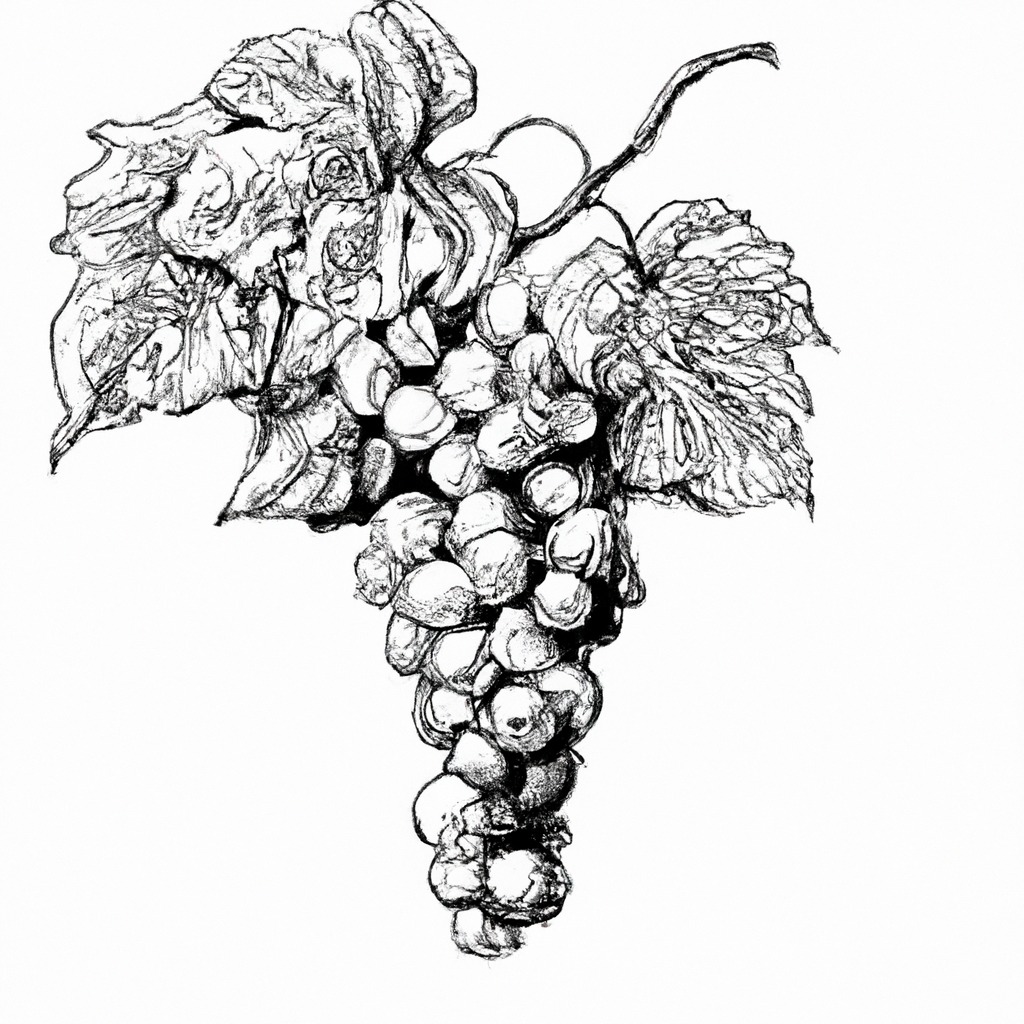
ANALOGUE

ANALOGUE
Cross
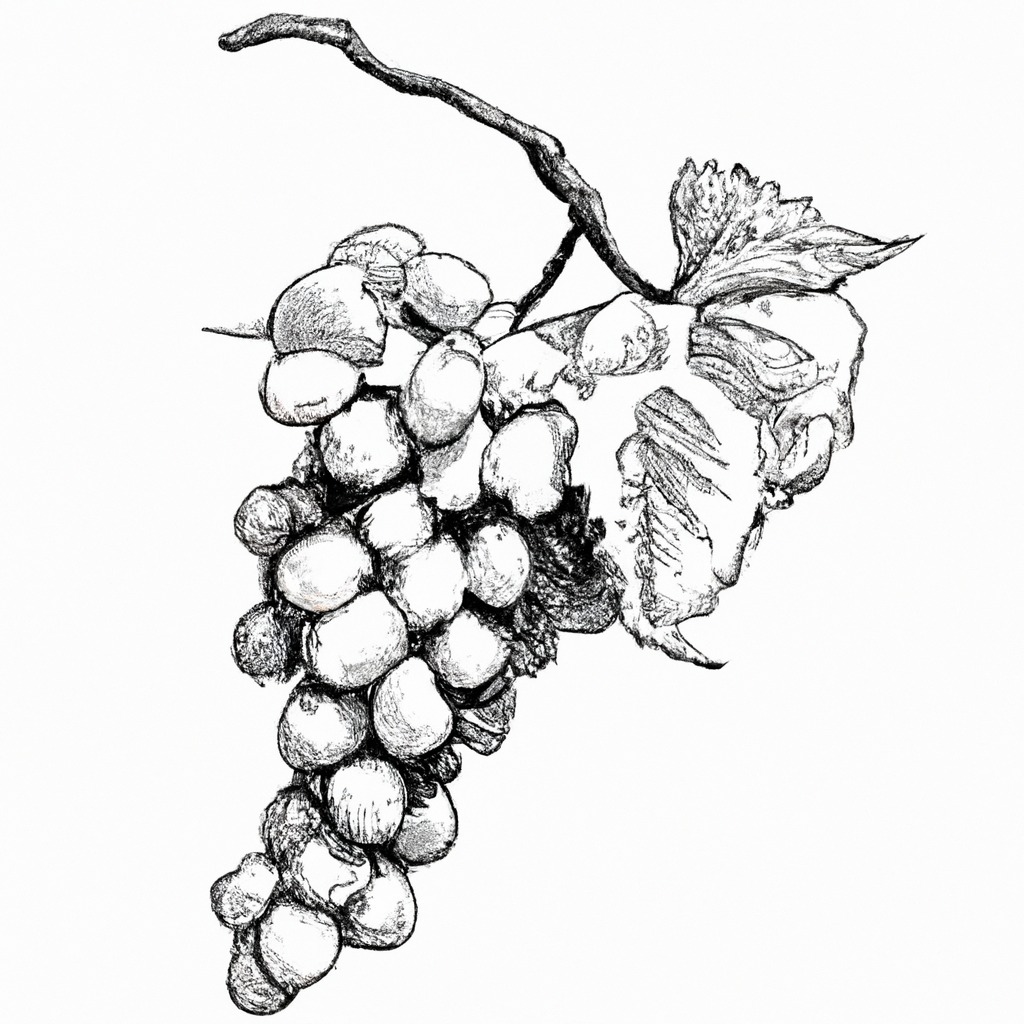
ANALOGUE
ANALOGUE
.jpg)

.jpg)
1961
Truel Paul
INRA - Experimental Unit of the Domaine de Vassal & Montpellier SupAgro
France
0
Aromatic
Teinturier
Piwi
Terroir
Climate
[CLIMATE]
Soil
[SOIL]
Vintage
Alcohol by Volume
Residual Sugar
Asidity
pH
Harvest
Ageing
Technical Note
Brand
Ageing Potential
Maceration
Fermentation
[ALCOHOL]
[ALCOHOL]
[SUGAR]
[ACIDITY]
[PH]
[HARVEST]
[AGING]
[TECHNILOGY]
[BRAND]
[BRAND]
[QUALITY]
[QUALITY]
Clarity
Color Intensity
Condition
Aroma Intensity
Taste Intensity
Development
Body
Mousse
Alcohol
Sweetness
Acidity
Finish
Astringency
Balance
Readiness
Quality
[CLARITY]
[COLOR INTENSITY]
[COLOR INTENSITY]
[COLOR INTENSITY]
[TASTE INTENSITY]
[TASTE INTENSITY]
[ALCOHOL]
[MOUSSE]
[ALCOHOL]
[SUGAR]
[ACIDITY]
[ACIDITY]
[ASTRINGENCY]
[BALANCE]
[READINESS]
[QUALITY]
Sugar
Acidity
Tannins
Berry
Cluster
Leaf
Skin Thickness
Skin Color
Budding
Ripening
Noir
Late
Reference