Type
Native
ANALOGUE

ANALOGUE
Native
ANALOGUE
ANALOGUE
.jpg)

.jpg)
Greece

Add a Title
Add a Title

Add a Title
Add a Title
Add a Title
Add a Title

0
.jpg)
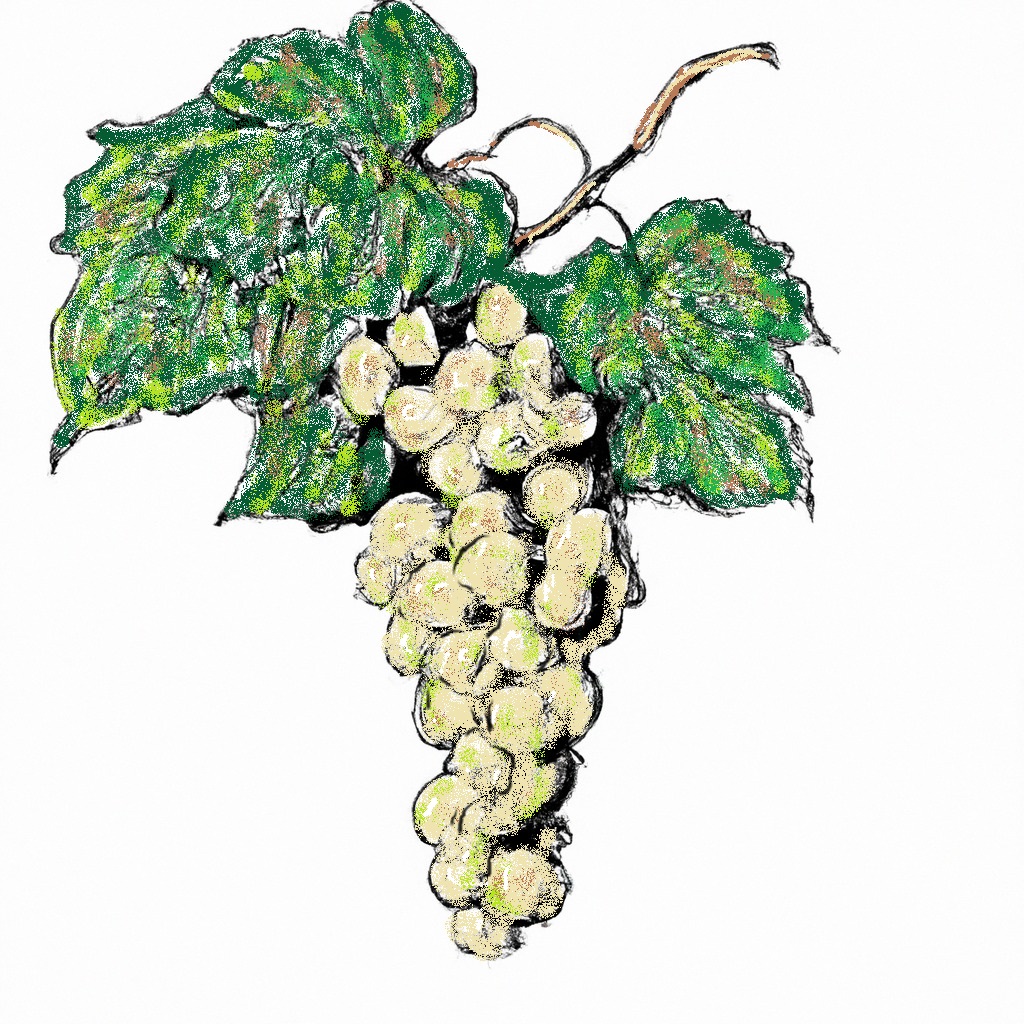
Muscat Blanc à Petits Grains is a variety of grape that is primarily used in winemaking. It is a member of the larger Muscat family, which is known for producing aromatic, often sweet wines.
Muscat Blanc à Petits Grains is a highly aromatic grape variety that produces wines with expressive floral, citrus, and tropical fruit aromas. It can be made into a variety of wine styles, from dry to sweet, and is especially renowned for its use in dessert and sparkling wines.
It can have moderate to high vigor and requires careful management to avoid overproduction.
Preferring regions with sufficient sunlight to fully ripen the grapes while retaining its aromatic complexity.
Prefers well-drained soils, with a particular affinity for rocky or limestone soils, which can help impart a minerality to the wine.
Wine Characteristics
Aroma: Muscat Blanc à Petits Grains is known for its intensely aromatic profile, with notes of citrus, orange blossom, rose, and tropical fruits such as lychee, along with a characteristic muskiness that gives the Muscat wines their signature bouquet.
Flavor Profile: The flavor profile typically reflects its aromatic intensity, with a balance of sweetness (when made in a sweeter style) and acidity (when made in a drier style). It can offer flavors of ripe fruits like peaches, apricots, and sometimes hints of spice.
Alcohol Content: Typically around 12-14%, though it can vary depending on the winemaking style and the region.
Acidity: Muscat Blanc à Petits Grains generally has a fresh, vibrant acidity, which makes it well-suited for both still and sparkling wine production.
Sweetness Level: It can be made into dry, off-dry, or sweet wines. It is commonly used to produce sweet, fortified wines, particularly in regions like Muscat de Beaumes-de-Venise and Muscat of Alexandria, but it is also found in dry wine styles.
Winemaking Techniques
Fermentation: The grapes are typically pressed gently to extract the aromatic qualities, and fermentation can take place at cool temperatures to preserve these aromas.
Styles of Wine: Muscat Blanc à Petits Grains can be used to make:Dry Wines: These wines can have a crisp, fresh profile with floral and citrus aromas. Sweet Wines: It is frequently used to make dessert wines, such as Muscat de Beaumes-de-Venise, and is often produced as a late-harvest or botrytized wine. Sparkling Wines: The grape can also be used in sparkling wine production, where its natural acidity and aromatic qualities contribute to a vibrant, effervescent wine. Fortified Wines: Some Muscat Blanc à Petits Grains wines are fortified, such as Muscat de Rivesaltes.
Regions
France: Particularly prominent in regions such as the Southern Rhône Valley (Muscat de Beaumes-de-Venise), the Languedoc, and Roussillon, as well as in Provence.
Italy: Known as Moscato Bianco, it is used in regions like Asti for making sweet sparkling wines (Asti Spumante).
Spain: Known as Muscatel, used in various regions to create sweet and fortified wines.
Other Regions: Also grown in Australia, the United States (especially California), and other Mediterranean countries.
Resilience and Challenges:
Muscat Blanc à Petits Grains is generally susceptible to diseases like mildew and botrytis, which require careful vineyard management.
Due to the small berries and loose clusters, it can have issues with yield if not properly managed.
Wine Aging Potential:
While Muscat Blanc à Petits Grains wines are often enjoyed young to preserve their fresh aromas and acidity, high-quality sweet wines (such as Muscat de Beaumes-de-Venise) can age well and develop more complex flavors over time.
0
0
[VARIETIES_#]
Specie
VITIS VINIFERA LINNÉ SUBSP. SATIVA (DE CANDOLLE) HEGI
Sex
Hermaphrodite

Native
Muscat Blanc à Petits Grains

Greece
Aromatic
Teinturier
Piwi
Terroir
Climate
[CLIMATE]
Soil
[SOIL]
Vintage
Alcohol by Volume
Residual Sugar
[SUGAR]
Asidity
pH
Harvest
Ageing
Technical Note
Brand
Ageing Potential
Maceration
Fermentation
[ALCOHOL]
[ALCOHOL]
[ACIDITY]
[PH]
[HARVEST]
[AGING]
[TECHNILOGY]
[BRAND]
[BRAND]
[QUALITY]
[QUALITY]
Clarity
Color Intensity
Condition
Aroma Intensity
Taste Intensity
Development
Body
Mousse
Alcohol
Sweetness
Acidity
Finish
Astringency
Balance
Readiness
Quality
[CLARITY]
[COLOR INTENSITY]
[COLOR INTENSITY]
[COLOR INTENSITY]
[TASTE INTENSITY]
[TASTE INTENSITY]
[ALCOHOL]
[MOUSSE]
[ALCOHOL]
[SUGAR]
[ACIDITY]
[ACIDITY]
[ASTRINGENCY]
[BALANCE]
[READINESS]
[QUALITY]
Sugar
Acidity
Moderate
Tannins
Berry
Cluster
Leaf
Small berries, which is where the "à Petits Grains" (meaning "with small berries") name comes from.
Small, loose.
Skin Thickness
Skin Color
Budding
Ripening
Flowering
Blanc
Early - Mid
Reference