Add a Title
Add a Title

Add a Title
Add a Title
Add a Title
Add a Title

.jpg)
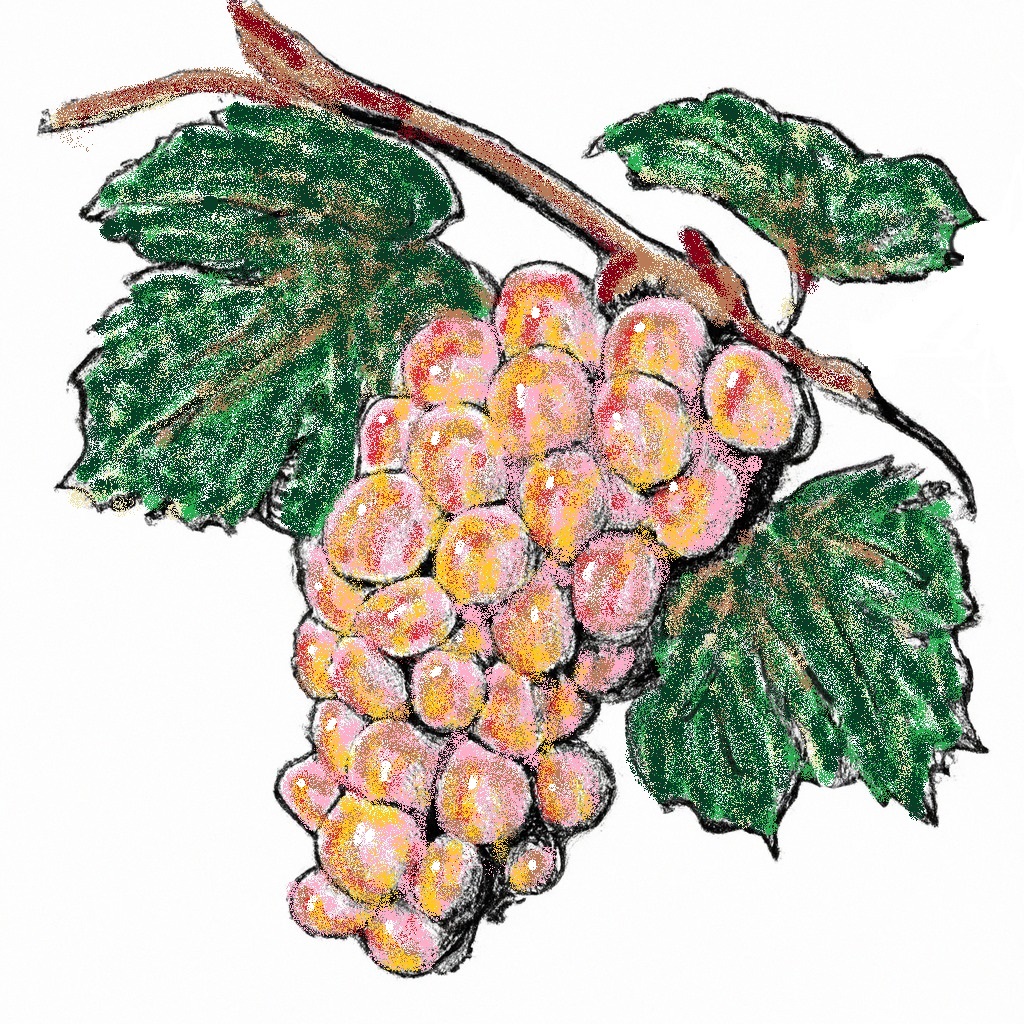
Pálava grape variety is a relatively new and less commonly known grape compared to traditional varieties, and detailed technical characteristics might not be as widely documented. However, I can provide an overview based on its known attributes:
Origin: The Pálava grape variety originates from the Czech Republic. It was created in 1953 by Ing. Josef Veverka. Pálava is a cross between Müller Thurgau and Gewürztraminer, intended to combine the best characteristics of both parent varieties.
The variety is named after the Pálava Hills in Moravia, a region known for its wine production in the Czech Republic.
- **Grape Cluster Characteristics:**
- **Size:** Medium to large clusters.
- **Shape:** Compact clusters, with a cylindrical or conical shape.
- **Berries:** The berries are medium-sized, with a thin skin that is susceptible to botrytis cinerea under certain conditions, which can be beneficial for producing sweet wines.
- **Viticultural Characteristics:**
- **Ripening:** It has a medium to late ripening period, benefiting from warm sites to fully develop its flavors.
- **Yield:** Can produce high yields if not properly managed but is often controlled to enhance quality.
- **Vigor:** Medium to high vigor, depending on the rootstock and soil conditions.
- **Disease Resistance:** Shows some resistance to common vine diseases but can be susceptible to botrytis, which, as mentioned, isn't always a disadvantage for this variety.
- **Wine Characteristics:**
- **Aroma and Flavor Profile:** Pálava wines are noted for their aromatic intensity, with floral notes reminiscent of its Gewürztraminer parentage, including rose petals, lychee, and spices. The variety also exhibits flavors of tropical fruits and stone fruits, with a characteristic minerality and potential for high acidity that balances the wine's sweetness in off-dry to sweet styles.
- **Alcohol Content:** Typically produces wines with moderate to high alcohol levels, depending on the desired style and the ripeness of the grapes at harvest.
- **Aging Potential:** The wines can have a good aging potential, especially for those crafted in a sweeter style, where the acidity can help preserve the wine's freshness over time.
- **Winemaking:** Pálava is versatile in winemaking, suitable for producing a range of styles from dry to sweet. The winemaker's intention and the harvest timing are crucial in defining the wine's final character, with later harvests favoring sweeter, more aromatic wines.
------------------------------------------------
Palava grape variety, not widely known outside of its specific growing regions, is a relatively new addition to the world of wine grapes, making detailed and standardized technical characteristics a bit less common than for more established varieties. However, I can provide a general overview based on its cultivation and the characteristics of wines produced from it.
### Palava Grape Variety Technical Characteristics
- **Origin:** Palava is a cross between Müller-Thurgau and Gewürztraminer, bred in the Czech Republic by Dr. Josef Veverka. It was officially registered in 1977. The grape was named after the Palava Hills in Moravia, a significant wine region in the Czech Republic.
- **Viticulture:** Palava is noted for its adaptability to cooler climates and is primarily grown in Moravia, the Czech Republic. It has a moderate to high resistance to fungal diseases and can thrive in various soil types, though it prefers well-drained, fertile soils.
- **Bunch and Berry Characteristics:** The grape clusters are medium-sized, with dense berries. The berries are small to medium, with a thin skin that can range from green to yellowish, reflecting its Gewürztraminer lineage.
- **Ripening and Harvest:** Palava tends to ripen late in the season, benefiting from cooler temperatures that help maintain acidity levels while allowing sugar content and aromatic compounds to develop fully.
- **Wine Profile:**
- **Color:** Wines made from Palava grapes typically have a deep golden color.
- **Aromas and Flavors:** Palava wines are known for their intense floral and fruity aromas, often compared to its parent, Gewürztraminer. Common notes include rose petals, lychee, apricot, and sometimes spices.
- **Acidity and Body:** These wines usually possess a medium to high acidity level with a medium body, offering a balance between the aromatic intensity and the structure.
- **Alcohol Content:** Alcohol levels in Palava wines can vary but typically are in the medium to high range, depending on the vineyard practices and winemaking techniques.
- **Winemaking:** Palava is versatile in winemaking, suitable for producing both dry and sweet wine styles. Its aromatic profile and balanced acidity make it an excellent candidate for late harvest and botrytized wines.
- **Aging Potential:** While many Palava wines are enjoyed young to appreciate their aromatic freshness, some higher-quality examples have the potential to age and develop more complex flavors over time.
### Conclusion
The Palava grape variety, with its aromatic intensity and balanced profile, represents the innovative spirit of viticulture in the Czech Republic, offering a unique option for wine enthusiasts seeking something different from traditional European grape varieties. Its wines are a testament to the grape's potential in producing aromatic, flavorful wines that reflect the characteristics of their terroir.
0
0
[VARIETIES_#]
Specie
VITIS VINIFERA LINNÉ SUBSP. SATIVA (DE CANDOLLE) HEGI
Sex
Hermaphrodite

Cross
Pálava

Czech Republic
Type
Cross
ANALOGUE

ANALOGUE
Cross
ANALOGUE
ANALOGUE
.jpg)

.jpg)
1953
Czech Republic
0
Aromatic
Teinturier
Piwi
Terroir
Climate
[CLIMATE]
Soil
[SOIL]
Vintage
Alcohol by Volume
Residual Sugar
Asidity
pH
Harvest
Ageing
Technical Note
Brand
Ageing Potential
Maceration
Fermentation
[ALCOHOL]
[ALCOHOL]
[SUGAR]
[ACIDITY]
[PH]
[HARVEST]
[AGING]
[TECHNILOGY]
[BRAND]
[BRAND]
[QUALITY]
[QUALITY]
Clarity
Color Intensity
Condition
Aroma Intensity
Taste Intensity
Development
Body
Mousse
Alcohol
Sweetness
Acidity
Finish
Astringency
Balance
Readiness
Quality
[CLARITY]
[COLOR INTENSITY]
[COLOR INTENSITY]
[COLOR INTENSITY]
[TASTE INTENSITY]
[TASTE INTENSITY]
[ALCOHOL]
[MOUSSE]
[ALCOHOL]
[SUGAR]
[ACIDITY]
[ACIDITY]
[ASTRINGENCY]
[BALANCE]
[READINESS]
[QUALITY]
Sugar
Acidity
Tannins
Berry
Cluster
Leaf
Skin Thickness
Skin Color
Budding
Ripening
Thin
Rose
Mid - Late
Reference