Type
Cross
ANALOGUE

ANALOGUE
Cross
ANALOGUE
ANALOGUE
.jpg)

.jpg)
France

Add a Title
Add a Title

Add a Title
Add a Title
Add a Title
Add a Title

0
.jpg)
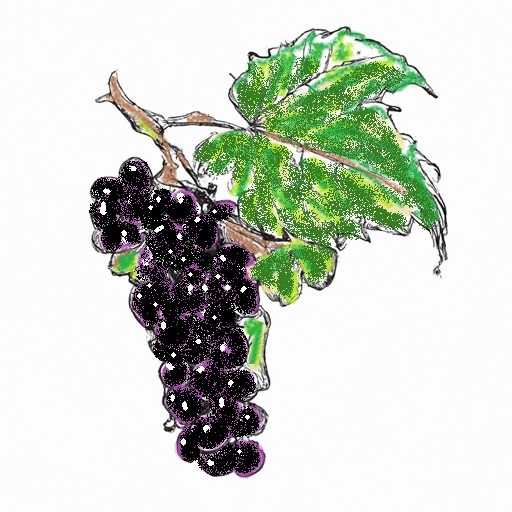
Pinot Noir is one of the most celebrated and challenging grape varieties, renowned for its elegance, complexity, and ability to express terroir.
Originating from Burgundy, France, it has gained global acclaim and is now cultivated in many regions worldwide.
Highly prone to mutation, resulting in many clones
---
### **Growing Characteristics**
- **Ripening Period**: Early to mid-season
- **Climate Preference**: Prefers cool to moderate climates; sensitive to excessive heat
- **Soil Preference**: Thrives in limestone-rich soils, particularly in Burgundy, but adapts to clay, marl, and sandy soils in other regions
- **Resilience**:
- Highly sensitive to weather variations
- Vulnerable to diseases such as powdery mildew, downy mildew, and botrytis due to its thin skin
- Prone to coulure and millerandage (poor fruit set and uneven berry size)
### **Vinification**
- **Typical Alcohol**: 12%–14.5%
- **Acidity**: Moderate to high (pH ~3.3–3.6)
- **Tannin Structure**: Fine-grained, soft, and moderate
- **Aging Potential**: Great aging potential in high-quality examples; 5–20+ years depending on the region and style
- **Common Winemaking Techniques**:
- Gentle handling during fermentation to avoid over-extraction
- Often aged in French oak barrels, which enhance its complexity
- Whole cluster fermentation is sometimes employed to add tannin structure and spiciness
---
### **Sensory Profile**
- **Color**: Pale ruby to garnet, lighter than most red wines
- **Aromas**:
- **Primary**: Red fruits like cherry, raspberry, and strawberry
- **Secondary**: Rose petal, violet, tea leaf, and mushroom
- **Tertiary**: Earth, truffle, forest floor, and leather (in aged wines)
- **Flavor Profile**: Elegant and layered with a balance of fruit, acidity, and minerality
- **Body**: Light to medium-bodied
- **Texture**: Silky and smooth
---
### **Notable Regions**
- **France**: Burgundy (e.g., Côte de Nuits, Côte de Beaune), Champagne (used in sparkling blends)
- **United States**: Oregon (Willamette Valley), California (Sonoma, Central Coast)
- **New Zealand**: Central Otago, Martinborough, Marlborough
- **Other**: Germany (Spätburgunder), Australia (Yarra Valley, Mornington Peninsula), Chile, South Africa
---
### **Food Pairing**
- **Best Pairings**:
- Poultry (duck, chicken, turkey)
- Game meats (venison, pheasant)
- Mushroom-based dishes
- Salmon and tuna
- Soft cheeses (e.g., Brie, Camembert)
- **Versatility**: Its acidity and lighter body make it adaptable to various cuisines, including vegetarian and Asian dishes.
---
### **Cultural and Historical Significance**
- Pinot Noir is one of the oldest cultivated grape varieties, with a history dating back over 1,000 years.
- It is the backbone of some of the world's most prestigious wines, including Grand Cru Burgundy and top-tier Champagnes.
---
### **Challenges in Cultivation**
- Referred to as "the heartbreak grape" due to its demanding growing conditions and susceptibility to environmental stress.
- Its sensitivity makes it a true expression of terroir, with significant variation in flavor and style depending on the region.
Pinot Noir is one of the most esteemed and widely planted grape varieties globally, famed for producing some of the finest red wines. Originating from the Burgundy region of France, its name is derived from the French words for "pine" and "black," alluding to the grape's tightly clustered, pine cone-shaped bunches of dark blue fruit. Pinot Noir is celebrated for its ability to convey the nuances of its terroir, with a broad spectrum of flavors influenced by the vineyard's specific location, climate, and soil.
**Viticultural Characteristics:**
- **Climate Sensitivity:** Pinot Noir prefers a cooler climate to maintain its balance of acidity and sugar, which contributes to its delicate flavors. It thrives in regions where the growing season is long and cool, allowing a slow, steady ripening process.
- **Soil Preference:** This variety shows a marked preference for calcareous soils, which help to produce elegant and complex wines, although it is adaptable to a variety of soil types, each imparting different characteristics to the wine.
- **Vine Vigor:** Pinot Noir vines are of medium vigor but can be challenging to grow and manage. They are susceptible to various diseases and pests, including powdery mildew, botrytis cinerea (grey rot), and phylloxera.
- **Yield Management:** Managing yield is crucial for Pinot Noir; overly vigorous vines or high yields generally result in diluted flavors and lesser quality wines. Low yields are often encouraged to concentrate the wine's flavors and aromas.
- **Bud Burst and Ripening:** It has an early bud burst, which makes it susceptible to spring frosts, and an early ripening cycle, necessitating careful site selection to avoid premature ripening or frost damage.
**Winemaking Characteristics:**
- **Color and Tannins:** Pinot Noir typically produces light to medium-bodied wines with a pale color and soft, smooth tannins. The skins are thin, contributing to the lighter color and lower tannin levels.
- **Flavor Profile:** The grape is known for its wide range of flavors, from red fruits (strawberries, raspberries, and cherries) to black fruits (black cherries, plums) as it matures, often complemented by notes of earth, herb, and spice. The flavor profile can also include floral notes such as rose and violet.
- **Aging Potential:** While some Pinot Noir wines are best enjoyed young, others, especially those from prime sites and meticulous winemaking practices, have significant aging potential, developing complex tertiary flavors over time.
- **Vinification Techniques:** Winemakers employ various techniques to enhance the aroma and flavor profile of Pinot Noir, including cold soaking pre-fermentation, use of whole clusters to add complexity and structure, and careful management of oak aging to ensure the delicate flavors are not overwhelmed.
**Regional Expressions:**
- **Burgundy, France:** The archetype of Pinot Noir, offering a benchmark for quality and complexity, with notable appellations including the Côte d'Or, Côte de Nuits, and Côte de Beaune producing wines with significant aging potential and depth.
- **New World Regions:** Countries like the United States (especially Oregon and California's cooler regions), New Zealand, Chile, and Australia (particularly Tasmania and Victoria) have gained acclaim for their Pinot Noir, showcasing the grape's versatility and the influence of terroir on its character.
**Trends and Innovations:**
- There is a growing trend towards sustainable and organic viticulture among Pinot Noir producers, reflecting a broader movement within the wine industry.
- Clonal selection and experimentation have become increasingly important, as producers seek to match clone types with specific vineyard sites to optimize quality and expression.
Pinot Noir's allure lies in its complexity, elegance, and capacity to reflect the intricacies of its growing environment, making it a favorite among wine enthusiasts and collectors.
0
0
[VARIETIES_#]
Specie
VITIS VINIFERA LINNÉ SUBSP. SATIVA (DE CANDOLLE) HEGI
Sex
Hermaphrodite

Cross
Pinot Noir

France
Aromatic
Teinturier
Piwi
Terroir
Climate
[CLIMATE]
Soil
[SOIL]
Vintage
Alcohol by Volume
Residual Sugar
[SUGAR]
Asidity
pH
Harvest
Ageing
Technical Note
Brand
Ageing Potential
Maceration
Fermentation
[ALCOHOL]
[ALCOHOL]
[ACIDITY]
[PH]
[HARVEST]
[AGING]
[TECHNILOGY]
[BRAND]
[BRAND]
[QUALITY]
[QUALITY]
Clarity
Color Intensity
Condition
Aroma Intensity
Taste Intensity
Development
Body
Mousse
Alcohol
Sweetness
Acidity
Finish
Astringency
Balance
Readiness
Quality
[CLARITY]
[COLOR INTENSITY]
[COLOR INTENSITY]
[COLOR INTENSITY]
[TASTE INTENSITY]
[TASTE INTENSITY]
[ALCOHOL]
[MOUSSE]
[ALCOHOL]
[SUGAR]
[ACIDITY]
[ACIDITY]
[ASTRINGENCY]
[BALANCE]
[READINESS]
[QUALITY]
Sugar
Acidity
Tannins
Berry
Cluster
Leaf
Small, thin-skinned. Deep blue to purplish-black color.
Small to medium-sized, cylindrical, compact.
Skin Thickness
Skin Color
Budding
Ripening
Flowering
Thin
Noir
Early - Mid
Reference