Add a Title
Add a Title

Add a Title
Add a Title
Add a Title
Add a Title

.jpg)
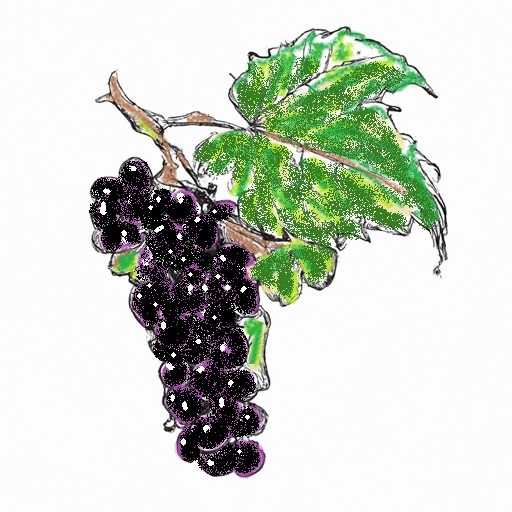
### **Portugieser Blau Grape Variety: Technical Profile**
---
#### **General Overview**
- **Category**: Vitis vinifera
- **Primary Usage**: Light red and rosé wines
- **Color**: Pale to medium ruby for red wines; delicate pink for rosés
- **Origin**: Central Europe, with strong ties to Austria and Hungary
- **Synonyms**: Kékoportó (Hungary), Blaue Portugieser (Germany), Modra Portugalka (Slovenia)
---
#### **Viticultural Characteristics**
- **Climate Suitability**:
- Thrives in temperate to cool climates with moderate rainfall.
- Sensitive to frost and extreme heat.
- **Growing Season**:
- Bud Break: Mid-April
- Harvest: Late September to early October
- **Yield**:
- High-yielding variety, often producing 8–12 tons/acre.
- **Soil Preferences**:
- Adapts well to loamy and calcareous soils.
- Prefers well-drained, nutrient-rich soils with neutral to slightly alkaline pH.
- **Disease Resistance**:
- Moderate susceptibility to mildew and botrytis.
- Requires attentive canopy management to prevent rot in humid conditions.
- **Vigor**:
- Moderate vigor, benefiting from precise pruning to avoid overcropping.
---
#### **Enological Characteristics**
- **Sugar Content**: 18-22° Brix at harvest
- **Acidity**: 5.5–7.0 g/L (tartaric acid)
- **pH**: 3.3–3.6
- **Aroma Profile**:
- Reds: Subtle aromas of red currants, cherries, and violets.
- Rosés: Notes of strawberries, raspberries, and floral hints.
- **Tannin Profile**:
- Low to medium tannins, contributing to a soft, approachable mouthfeel.
- **Alcohol Potential**: 10.5–12.5% ABV
---
#### **Winemaking Notes**
- **Fermentation**:
- Reds: Typically fermented at 22–26°C for 5–7 days to retain freshness.
- Rosés: Cool fermentation at 14–16°C to preserve fruitiness.
- **Aging**:
- Reds: Best consumed young; short-term aging in stainless steel or neutral oak.
- Rosés: Often bottled quickly to emphasize freshness and bright aromatics.
- **Blending Potential**:
- Often blended to add lightness and softness to heavier varieties.
---
#### **Market Position**
- **Unique Selling Point**:
- Known for its light, easy-drinking style and suitability for youthful consumption.
- **Consumer Appeal**:
- Popular for its fruity, soft profile and versatility in both red and rosé wines.
- **Target Audience**:
- Ideal for casual wine drinkers seeking approachable, low-tannin wines.
---
#### **Notable Growing Regions**
- Germany (Rheinhessen, Pfalz, Württemberg)
- Austria (Burgenland, Lower Austria)
- Hungary (Villány, Szekszárd)
- Slovenia and Croatia
Let me know if you'd like this expanded or tailored further!
0
0
[VARIETIES_#]
Specie
VITIS VINIFERA LINNÉ SUBSP. SATIVA (DE CANDOLLE) HEGI
Sex
Hermaphrodite

Cross
Portugieser Blau

Slovenia
Type
Cross
ANALOGUE

ANALOGUE
Cross
ANALOGUE
ANALOGUE
.jpg)

.jpg)
Slovenia
0
Aromatic
Teinturier
Piwi
Terroir
Climate
[CLIMATE]
Soil
[SOIL]
Vintage
Alcohol by Volume
Residual Sugar
Asidity
pH
Harvest
Ageing
Technical Note
Brand
Ageing Potential
Maceration
Fermentation
[ALCOHOL]
[ALCOHOL]
[SUGAR]
[ACIDITY]
[PH]
[HARVEST]
[AGING]
[TECHNILOGY]
[BRAND]
[BRAND]
[QUALITY]
[QUALITY]
Clarity
Color Intensity
Condition
Aroma Intensity
Taste Intensity
Development
Body
Mousse
Alcohol
Sweetness
Acidity
Finish
Astringency
Balance
Readiness
Quality
[CLARITY]
[COLOR INTENSITY]
[COLOR INTENSITY]
[COLOR INTENSITY]
[TASTE INTENSITY]
[TASTE INTENSITY]
[ALCOHOL]
[MOUSSE]
[ALCOHOL]
[SUGAR]
[ACIDITY]
[ACIDITY]
[ASTRINGENCY]
[BALANCE]
[READINESS]
[QUALITY]
Sugar
Acidity
Tannins
Berry
Cluster
Leaf
Skin Thickness
Skin Color
Budding
Ripening
Noir
Reference