Type
Cross
ANALOGUE

ANALOGUE
Cross
ANALOGUE
ANALOGUE
.jpg)

.jpg)
Germany

Add a Title
Add a Title

Add a Title
Add a Title
Add a Title
Add a Title

0
.jpg)
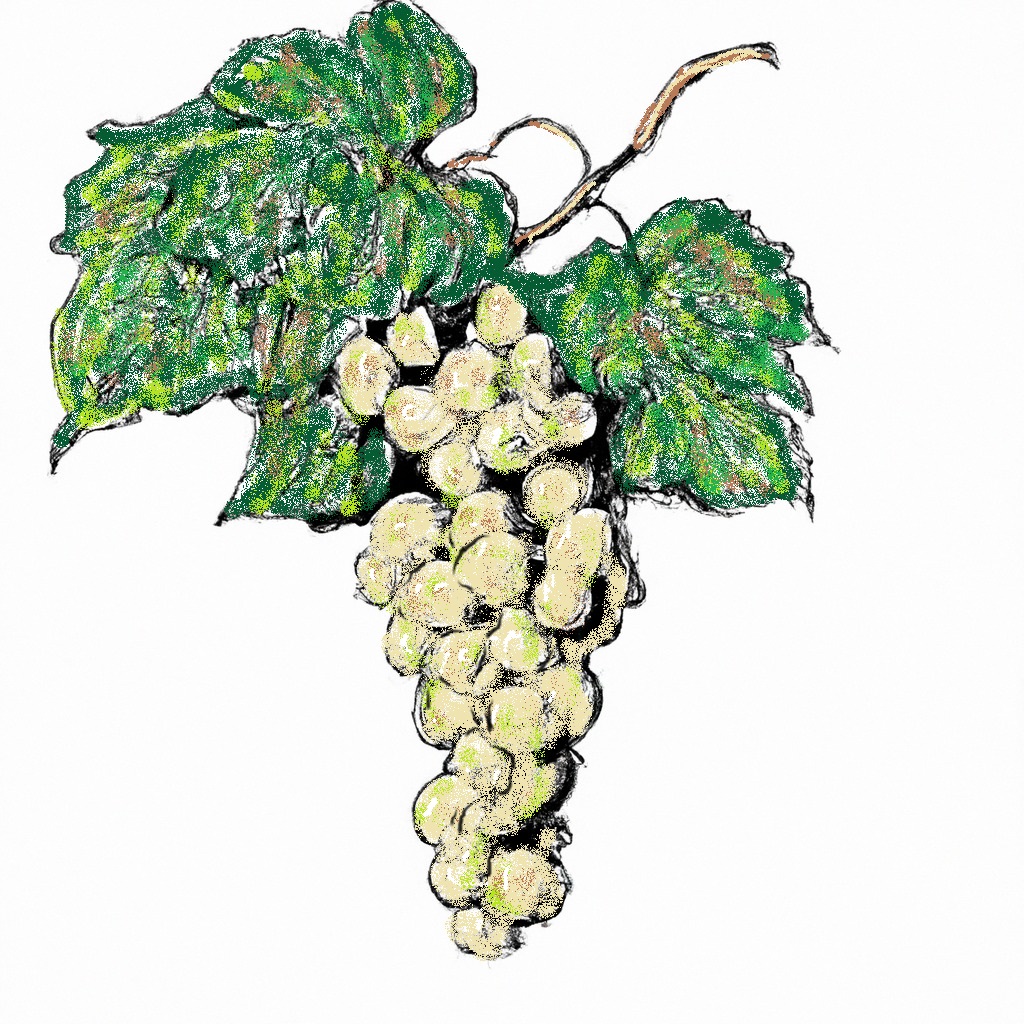
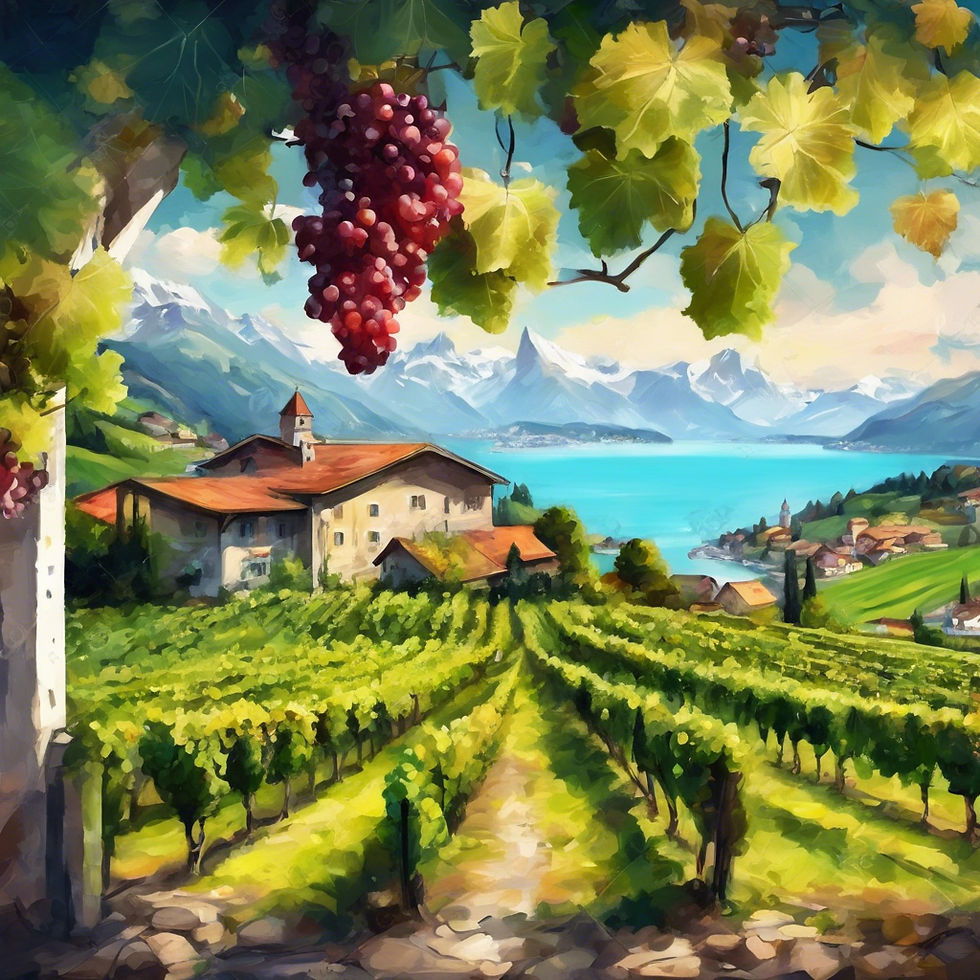
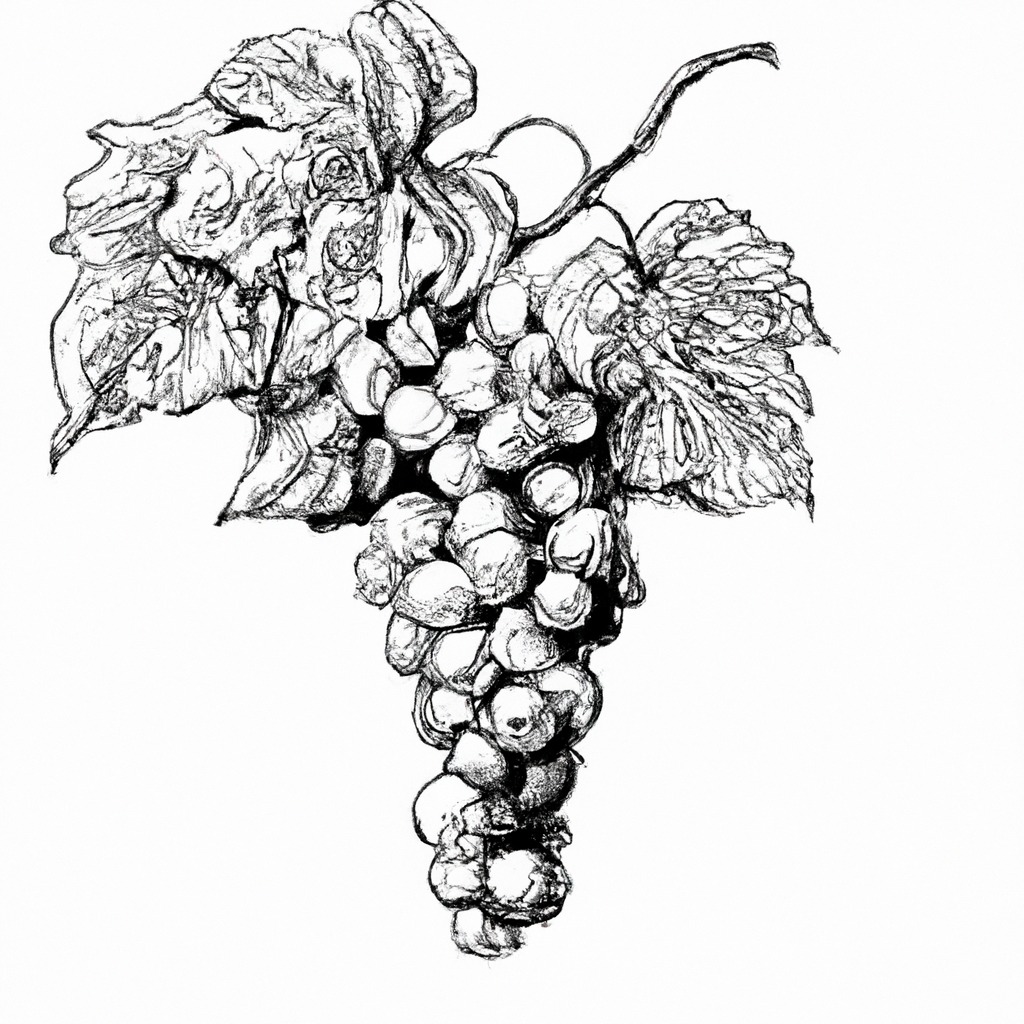
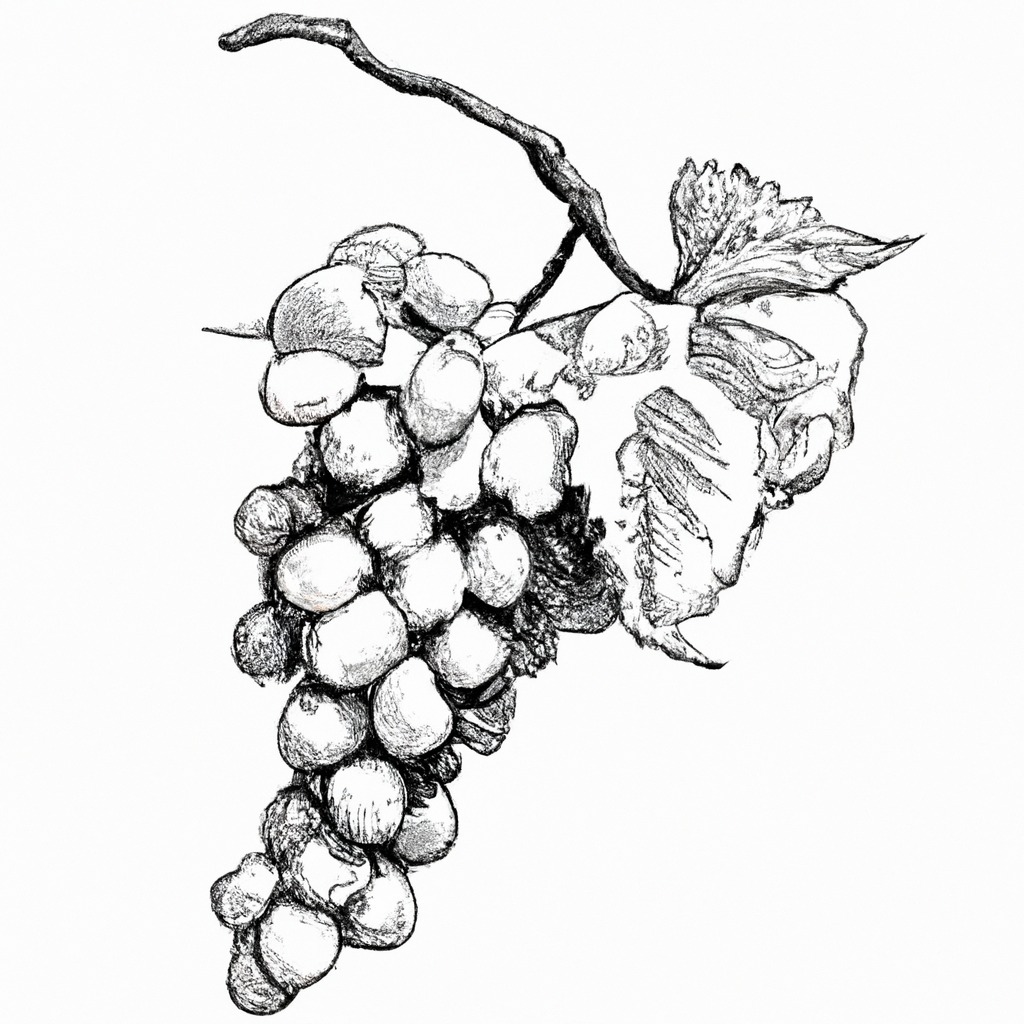
Riesling is a white grape variety originating from the Rhine region of Germany, renowned for its versatility, distinctive aromatic profile, and ability to produce wines ranging from bone-dry to lusciously sweet. It's celebrated for expressing terroir— the characteristic taste and flavor imparted to a wine by the environment in which it is produced—exceptionally well.
### Origin and Distribution
- **Origin:** Germany, with a long history of cultivation dating back to the 15th century or earlier.
- **Distribution:** Widely planted in Germany, Alsace (France), Austria, and Luxembourg, with significant plantings in the United States (notably in Washington, Oregon, New York's Finger Lakes), Australia (particularly Clare and Eden Valleys), and New Zealand.
### Viticultural Characteristics
- **Vigor:** Medium vigor, with the ability to adapt to a variety of climatic conditions.
- **Yield:** Can vary but often controlled through pruning and vineyard practices to ensure quality.
- **Bud Burst:** Late, which helps it avoid spring frost damage.
- **Ripening:** Late-ripening variety, capable of developing high sugar levels while maintaining high acidity, essential for its balance.
- **Disease Susceptibility:** Sensitive to botrytis cinerea (although this is beneficial for noble sweet wines), as well as powdery and downy mildew.
### Berry and Cluster Characteristics
- **Berry Size:** Small to medium.
- **Berry Skin:** Thin, with a green to yellow-green color when ripe.
- **Cluster Size:** Compact, small to medium-sized clusters.
### Flavor Profile and Wine Characteristics
- **Aromas and Flavors:** Riesling is known for its pronounced floral and fruity aromas, including apple, peach, pear, and citrus, with age bringing out complex mineral, petrol, honey, and spice nuances.
- **Acidity:** High natural acidity, a hallmark of the variety, contributing to its aging potential and balance, especially in sweet wines.
- **Sugar Levels:** Highly versatile, capable of producing dry, off-dry, sweet, and ice wines, with alcohol levels varying accordingly.
- **Body:** Generally light to medium-bodied, with sweetness and alcohol content influencing the mouthfeel.
### Winemaking
- **Fermentation:** Often fermented in stainless steel to preserve its delicate aromatic profile, though some producers use large old oak casks (especially in Germany and Alsace) for neutral aging effects.
- **Aging Potential:** Excellent aging potential, with high-acid and sweet styles capable of developing complexity over decades. Dry styles are often appreciated for their youthful vibrancy but can also age gracefully.
### Pairing and Consumption
- **Food Pairing:** Riesling's acidity and range of sweetness levels make it a versatile pairing option, excellent with spicy cuisines, seafood, poultry, pork, and dishes with a pronounced acidity.
- **Serving Temperature:** Best served chilled, between 45-50°F (7-10°C), to highlight its freshness and aromatic profile.
Riesling's unique combination of aromatic complexity, high acidity, and versatility in sweetness levels makes it one of the world's most celebrated and diverse white wine varieties. Its ability to express the nuances of its terroir, coupled with its wide range of styles, ensures its place as a favorite among wine enthusiasts and professionals alike.
0
0
[VARIETIES_#]
Specie
VITIS VINIFERA LINNÉ SUBSP. SATIVA (DE CANDOLLE) HEGI
Sex
Hermaphrodite

Cross
Riesling Weiss

Germany
Aromatic
Teinturier
Piwi
Terroir
Climate
[CLIMATE]
Soil
[SOIL]
Vintage
Alcohol by Volume
Residual Sugar
[SUGAR]
Asidity
pH
Harvest
Ageing
Technical Note
Brand
Ageing Potential
Maceration
Fermentation
[ALCOHOL]
[ALCOHOL]
[ACIDITY]
[PH]
[HARVEST]
[AGING]
[TECHNILOGY]
[BRAND]
[BRAND]
[QUALITY]
[QUALITY]
Clarity
Color Intensity
Condition
Aroma Intensity
Taste Intensity
Development
Body
Mousse
Alcohol
Sweetness
Acidity
Finish
Astringency
Balance
Readiness
Quality
[CLARITY]
[COLOR INTENSITY]
[COLOR INTENSITY]
[COLOR INTENSITY]
[TASTE INTENSITY]
[TASTE INTENSITY]
[ALCOHOL]
[MOUSSE]
[ALCOHOL]
[SUGAR]
[ACIDITY]
[ACIDITY]
[ASTRINGENCY]
[BALANCE]
[READINESS]
[QUALITY]
Sugar
Acidity
Tannins
Berry
Cluster
Leaf
Skin Thickness
Skin Color
Budding
Ripening
Flowering
Blanc
Early
Late
Reference