Add a Title
Add a Title

Add a Title
Add a Title
Add a Title
Add a Title

.jpg)
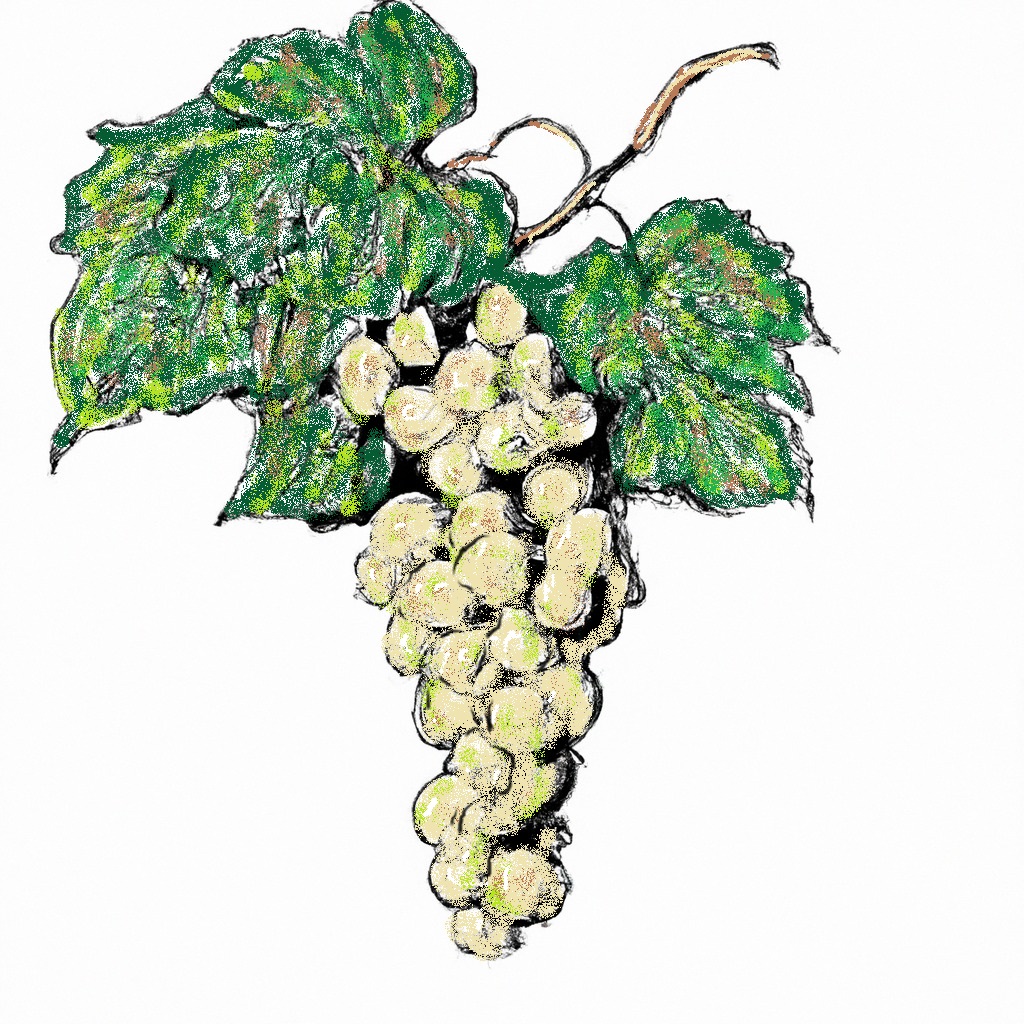
## Timorasso
### Title
**Timorasso**
### Subtitle
Ancient white grape of southeastern Piedmont known for powerful, age-worthy wines
### Varieties / Composition
100% **Timorasso** (autochthonous *Vitis vinifera* variety)
### Country / Origin
Italy — region of Piedmont, particularly the hills of Colli Tortonesi around the town of Tortona.
---
## Introduction / Description
**Timorasso** is a rare indigenous white grape variety from southeastern Piedmont that nearly disappeared during the 20th century but has been revived since the 1980s. The revival is largely credited to visionary producers such as Walter Massa.
The grape produces **structured, mineral, and long-lived white wines** that differ significantly from most Italian whites. Timorasso combines high extract, firm acidity, and complex aromatic evolution, allowing the wines to age for **10–20 years or more**, developing tertiary notes similar to aged Riesling or Chenin Blanc.
---
### Style(s)
Typical winemaking styles include:
| Style | Description |
| ------------------------------- | ---------------------------------------- |
| Dry still white | Most common expression |
| Structured mineral white | High extract, intense terroir expression |
| Barrel-fermented Timorasso | Adds texture and oxidative complexity |
| Skin-contact / orange Timorasso | Rare experimental style |
---
### Reference(s)
* Colli Tortonesi DOC production regulations
* Italian ampelographic registry (*Registro Nazionale delle Varietà di Vite*)
* OIV grapevine variety database
---
### Producer(s)
Key producers associated with Timorasso revival include:
* Walter Massa
* Vigneti Massa
* La Colombera
* Cascina Montagnola
---
### Alcohol Level (ABV)
Typically **13.0–14.5%**
---
### Ageing
Timorasso is notable for **exceptional ageing capacity**.
Typical maturation approaches:
* Stainless steel maturation (fresh mineral style)
* Large neutral oak (botti)
* Barrique fermentation / ageing (less common)
* Extended lees ageing
Bottle ageing potential: **10–20+ years**
---
### Vintage
Non-vintage uncommon; almost always **vintage-dated**.
---
### Sugar (g/L)
Usually **dry**
Typical residual sugar: **1–4 g/L**
---
### Acidity (g/L)
Approx. **5.5–7.5 g/L (tartaric acid)**
---
### pH
Approx. **3.1–3.4**
---
### Classification(s)
Within the appellation:
* Colli Tortonesi DOC
Local designation:
* **Derthona** (traditional name used for Timorasso wines)
---
### Designation(s)
Common label terms:
* **Derthona Timorasso**
* **Colli Tortonesi Timorasso DOC**
---
### Color
Deep **straw yellow → golden** with age.
---
### Characteristics of Taste and Aroma
**Primary aromas**
* White peach
* Pear
* Lemon peel
* Acacia flowers
**Secondary aromas**
* Honey
* Almond
* Wet stone / mineral
**Tertiary aromas (aged)**
* Petrol / kerosene nuance
* Beeswax
* Dried apricot
* Chamomile
* Hazelnut
Texture:
* Full-bodied
* High extract
* Oily / waxy mouthfeel
* Pronounced minerality
---
### Tint Type
White wine
---
### Is Kosher Wine
Timorasso wines are **generally not kosher**, unless produced under rabbinical supervision by a kosher-certified winery.
---
✅ If you want, I can also provide:
* **Complete OIV ampelographic descriptor table for Timorasso (50+ parameters)**
* **Genetic relationships and parentage of Timorasso**
* **Detailed terroir analysis of Colli Tortonesi for Timorasso production**.
=============================================
## Timorasso — Grape Variety Technical Profile
### Title
**Timorasso**
### Subtitle
Historic Piedmontese white grape producing powerful, mineral, long-lived wines
### Brand
Not applicable (grape variety; wines are produced under various winery brands)
### Varieties / Composition
**100% Timorasso** (*Vitis vinifera* autochthonous cultivar)
### Country / Origin
Italy — southeastern Piedmont, especially Colli Tortonesi around Tortona.
---
## Introduction / Description
**Timorasso** is an ancient indigenous white grape from southeastern Piedmont that nearly disappeared during the 20th century due to low yields and the spread of easier-to-grow varieties such as Cortese. The grape was revived beginning in the 1980s, largely through the efforts of pioneering winemaker Walter Massa.
Today Timorasso is recognized as one of Italy’s most distinctive white varieties. It produces **structured, complex, mineral wines with remarkable ageing capacity**, often compared to great examples of Riesling or Chenin Blanc due to their ability to develop tertiary aromas such as honey, hydrocarbons, and dried fruits. Wines labeled **“Derthona”** have become the modern identity for Timorasso from the Colli Tortonesi area.
---
## Style(s)
Typical styles include:
| Style | Description |
| ------------------------------- | --------------------------------- |
| Dry still white | Classic expression |
| Mineral terroir-driven white | Emphasizes soil character |
| Lees-aged structured white | Rich texture |
| Oak-fermented Timorasso | Fuller body, oxidative complexity |
| Skin-contact / orange Timorasso | Rare experimental style |
---
### Reference(s)
* Italian National Register of Grapevine Varieties
* OIV International Ampelographic Database
* Colli Tortonesi DOC production regulations
* Regional viticultural studies of Piedmont
---
## Producer(s)
Important wineries working with Timorasso:
* Vigneti Massa
* La Colombera
* Cascina Montagnola
* Ezio Poggio
* Tenuta Montemagno
---
## Alcohol Level (ABV)
Typical: **13.0–14.5%**
---
## Ageing
Common ageing approaches:
* Stainless steel maturation
* Large neutral oak (botti)
* Barrique fermentation / ageing
* Extended lees ageing
---
## Vintage
Usually **vintage-dated wines** (single harvest year).
---
## Sugar (g/L)
Typical residual sugar: **1–4 g/L** (dry style)
---
## Acidity (g/L)
Approximately **5.5–7.5 g/L (tartaric acid equivalent)**
---
## pH
Typically **3.10–3.40**
---
## Classification(s)
Main appellation:
* Colli Tortonesi DOC
---
## Designation(s)
Common label terms:
* **Derthona Timorasso**
* **Colli Tortonesi Timorasso DOC**
---
## Color
Deep **straw yellow → golden** with age.
---
## Characteristics of Taste and Aroma
**Primary aromas**
* Pear
* White peach
* Lemon peel
* Apple
* Acacia blossom
**Secondary aromas**
* Almond
* Honey
* Chamomile
**Tertiary aromas**
* Beeswax
* Petrol / hydrocarbon note
* Dried apricot
* Hazelnut
* Mineral / wet stone
Texture:
Full-bodied, high extract, slightly oily mouthfeel with pronounced minerality.
---
## Tint Type
White wine
---
## Is Kosher
Typically **not kosher**, unless produced under rabbinical supervision.
---
# Winemaker Technical Section
## Winemaker Note
Timorasso is sensitive in the vineyard and prone to oxidation during vinification, requiring careful oxygen management. However, controlled oxygen exposure can enhance complexity and ageing capacity.
---
## Technology
Typical vinification workflow:
1. Hand harvesting
2. Gentle pressing
3. Cold settling of must
4. Fermentation in stainless steel or oak
5. Lees ageing (often 6–12 months)
6. Bottling with extended bottle ageing
---
## Ageing Potential
**10–20 years** depending on structure and vintage.
---
## Maceration
Usually **minimal or none** (direct pressing).
Some experimental wines employ **6–24 hours skin contact**.
---
## Fermentation
* Temperature: **16–20 °C**
* Vessel: stainless steel or oak
* Duration: **10–20 days**
---
## Regions
Primary region:
* Colli Tortonesi
Other limited plantings:
* Piedmont (small experimental areas)
---
## Producers
Key producers include:
* Vigneti Massa
* La Colombera
* Cascina Montagnola
* Ezio Poggio
---
## Price
Typical retail range:
* Entry-level: **€18–25**
* Premium Derthona: **€30–60+**
---
## Category
Wine
## Parent Category
White Wine → Still Wine → Wine (Fermented Beverage)
---
## Harvest
Late harvest variety:
* **Late September – mid October**
---
# Sensory Evaluation (Professional Tasting Grid)
## Tasting Note
A structured, mineral white wine with layered aromas of orchard fruit, flowers, honey, and stone minerality, evolving toward waxy and nutty complexity with age.
---
### Limpidity
Clear, bright
### Color Intensity
Medium (+)
### Aroma(s)
Pear, peach, citrus peel, acacia, honey, almond, mineral notes
### Condition
Clean
### Aroma Intensity
Medium to pronounced
### Development
Young → capable of complex tertiary evolution
---
## Taste
### Taste(s)
Apple, pear, citrus, almond, honey, mineral
### Taste Intensity
Medium (+) to pronounced
### Body
Medium (+) to full
### Astringency
Very low
### Sweetness
Dry
### Sourness
Medium (+)
### Mousse
None (still wine)
---
### Readiness
Drinkable young but improves with ageing.
### Quality
Very good to outstanding (top examples)
### Balance
High balance between acidity, fruit, and minerality.
### Finish
Long mineral and nutty finish.
---
## Packaging
Standard **750 ml glass bottle**, occasionally magnum (1.5 L).
---
## Serving Rating(s)
Serving temperature:
**10–12 °C**
Glassware:
Large white wine glass (Burgundy style)
---
## Awards(s)
Timorasso wines regularly receive awards in competitions such as:
* Decanter World Wine Awards
* International Wine Challenge
* Gambero Rosso (Tre Bicchieri ratings)
---
## Pairing
Recommended food pairings:
* Lobster and shellfish
* Truffle dishes
* Creamy risotto
* Roast poultry
* Aged cheeses
* Piedmontese cuisine (tajarin pasta, mushrooms)
---
✅ If useful for your **wine atlas database**, I can also prepare:
* **Complete OIV ampelographic descriptor table for Timorasso (70+ vine morphology parameters)**
* **Synonyms, clones, and genetic relationships of Timorasso**
* **Detailed terroir map of Colli Tortonesi with soil types for Timorasso**.
=============================================================================
## Timorasso — Complete OIV Ampelographic Descriptor Table
(*Vitis vinifera L. cv. Timorasso*)
The **OIV (International Organisation of Vine and Wine)** ampelographic descriptor system provides standardized morphological parameters for grapevine identification. The following table compiles the descriptors commonly documented for **Timorasso** grown primarily in the Colli Tortonesi area of Piedmont in Italy.
---
# 1. Young Shoot Descriptors
| OIV Code | Descriptor | Observation for Timorasso |
| -------- | --------------------------------------------------- | ------------------------- |
| OIV 001 | Young shoot tip form | Fully open |
| OIV 002 | Distribution of anthocyanin coloration of shoot tip | Weak to medium |
| OIV 003 | Intensity of anthocyanin coloration of shoot tip | Weak |
| OIV 004 | Density of prostrate hairs on shoot tip | Medium |
| OIV 005 | Density of erect hairs on shoot tip | Sparse |
---
# 2. Young Leaf Descriptors
| OIV Code | Descriptor | Observation |
| -------- | ---------------------------------------- | ------------------------- |
| OIV 006 | Color of upper side of young leaf | Green with bronze patches |
| OIV 007 | Density of prostrate hairs between veins | Medium |
| OIV 008 | Density of erect hairs between veins | Sparse |
| OIV 009 | Density of prostrate hairs on veins | Medium |
| OIV 010 | Density of erect hairs on veins | Sparse |
---
# 3. Shoot Descriptors
| OIV Code | Descriptor | Observation |
| -------- | ------------------------------------ | ------------------------------ |
| OIV 011 | Shoot growth habit | Semi-erect |
| OIV 012 | Shoot internode color (dorsal side) | Green |
| OIV 013 | Shoot internode color (ventral side) | Green with slight reddish tint |
| OIV 014 | Node color | Green to slightly reddish |
| OIV 015 | Tendril distribution | Discontinuous |
---
# 4. Mature Leaf Descriptors
| OIV Code | Descriptor | Observation |
| -------- | ----------------------------------------------------- | ----------------------- |
| OIV 065 | Size of blade | Medium to large |
| OIV 066 | Shape of blade | Pentagonal |
| OIV 067 | Number of lobes | Five |
| OIV 068 | Anthocyanin coloration of main veins | Weak |
| OIV 069 | Profile of blade | Slightly blistered |
| OIV 070 | Blistering of upper surface | Medium |
| OIV 071 | Shape of teeth | Convex |
| OIV 072 | Length of teeth | Medium |
| OIV 073 | Petiole sinus | U-shaped to lyre-shaped |
| OIV 074 | Petiole sinus opening | Slightly open |
| OIV 075 | Shape of base of petiole sinus | Rounded |
| OIV 076 | Upper lateral sinus depth | Medium |
| OIV 077 | Lower lateral sinus depth | Shallow |
| OIV 078 | Density of prostrate hairs between veins (lower side) | Medium |
| OIV 079 | Density of erect hairs between veins | Sparse |
| OIV 080 | Density of prostrate hairs on veins | Medium |
| OIV 081 | Density of erect hairs on veins | Sparse |
---
# 5. Inflorescence and Flower
| OIV Code | Descriptor | Observation |
| -------- | ----------------------- | ------------- |
| OIV 151 | Sexual organs of flower | Hermaphrodite |
| OIV 152 | Inflorescence size | Medium |
---
# 6. Cluster (Bunch) Descriptors
| OIV Code | Descriptor | Observation |
| -------- | ---------------------------- | ----------------- |
| OIV 202 | Bunch size | Medium |
| OIV 203 | Bunch length | Medium |
| OIV 204 | Bunch width | Medium |
| OIV 205 | Bunch density | Medium to compact |
| OIV 206 | Bunch shape | Conical |
| OIV 207 | Number of wings | Usually one |
| OIV 208 | Bunch peduncle length | Medium |
| OIV 209 | Bunch peduncle lignification | Partial |
---
# 7. Berry Descriptors
| OIV Code | Descriptor | Observation |
| -------- | ---------------- | ------------ |
| OIV 220 | Berry size | Medium |
| OIV 221 | Berry shape | Spherical |
| OIV 222 | Berry uniformity | Uniform |
| OIV 223 | Skin color | Green-yellow |
| OIV 224 | Skin thickness | Medium |
| OIV 225 | Flesh firmness | Medium |
| OIV 226 | Juice color | Colorless |
| OIV 227 | Flavor | Neutral |
| OIV 228 | Seed number | 2–3 seeds |
---
# 8. Phenology
| OIV Code | Descriptor | Observation |
| -------- | -------------- | ----------- |
| OIV 301 | Budburst time | Medium |
| OIV 302 | Flowering time | Medium |
| OIV 303 | Veraison time | Medium-late |
| OIV 304 | Ripening time | Late |
---
# 9. Agronomic Traits
| OIV Code | Descriptor | Observation |
| -------- | -------------------------------- | -------------- |
| OIV 351 | Vigor | Medium to high |
| OIV 352 | Fertility of basal buds | Medium |
| OIV 353 | Yield potential | Moderate |
| OIV 354 | Susceptibility to botrytis | Medium |
| OIV 355 | Susceptibility to powdery mildew | Medium |
| OIV 356 | Susceptibility to downy mildew | Medium |
---
# 10. Technological Traits
| OIV Code | Descriptor | Typical Range |
| -------- | ------------------ | -------------- |
| OIV 501 | Sugar accumulation | High |
| OIV 502 | Total acidity | Medium to high |
| OIV 503 | Must pH | 3.1–3.4 |
| OIV 504 | Aromatic potential | Medium to high |
| OIV 505 | Phenolic content | Medium |
---
✅ **Key Ampelographic Identification Markers of Timorasso**
1. **Pentagonal five-lobed leaves with U-shaped petiole sinus**
2. **Medium compact conical bunch with one wing**
3. **Green-yellow spherical berries**
4. **Semi-erect shoot growth**
5. **Late ripening cycle**
---
If you want, I can also generate a **very detailed scientific profile** useful for a **wine atlas or grape database**, including:
* **Timorasso genetic relationships and DNA profile**
* **Full synonym list used historically in Piedmont**
* **Complete viticultural performance table (yield, pruning systems, rootstocks, soil preference)**.
0
0
[VARIETIES_#]
Specie
VITIS VINIFERA LINNÉ SUBSP. SATIVA (DE CANDOLLE) HEGI
Sex
Hermaphrodite

Native
Timorasso

Italy
Type
Native
ANALOGUE

ANALOGUE
Native
ANALOGUE
ANALOGUE
.jpg)

.jpg)
Italy
0
Aromatic
Teinturier
Piwi
Terroir
Climate
[CLIMATE]
Soil
[SOIL]
Vintage
Alcohol by Volume
Residual Sugar
Asidity
pH
Harvest
Ageing
Technical Note
Brand
Ageing Potential
Maceration
Fermentation
[ALCOHOL]
[ALCOHOL]
[SUGAR]
[ACIDITY]
[PH]
[HARVEST]
[AGING]
[TECHNILOGY]
[BRAND]
[BRAND]
[QUALITY]
[QUALITY]
Clarity
Color Intensity
Condition
Aroma Intensity
Taste Intensity
Development
Body
Mousse
Alcohol
Sweetness
Acidity
Finish
Astringency
Balance
Readiness
Quality
[CLARITY]
[COLOR INTENSITY]
[COLOR INTENSITY]
[COLOR INTENSITY]
[TASTE INTENSITY]
[TASTE INTENSITY]
[ALCOHOL]
[MOUSSE]
[ALCOHOL]
[SUGAR]
[ACIDITY]
[ACIDITY]
[ASTRINGENCY]
[BALANCE]
[READINESS]
[QUALITY]
Sugar
Acidity
Tannins
Berry
Cluster
Leaf
Skin Thickness
Skin Color
Budding
Ripening
Blanc
Reference