Add a Title
Add a Title

Add a Title
Add a Title
Add a Title
Add a Title

.jpg)
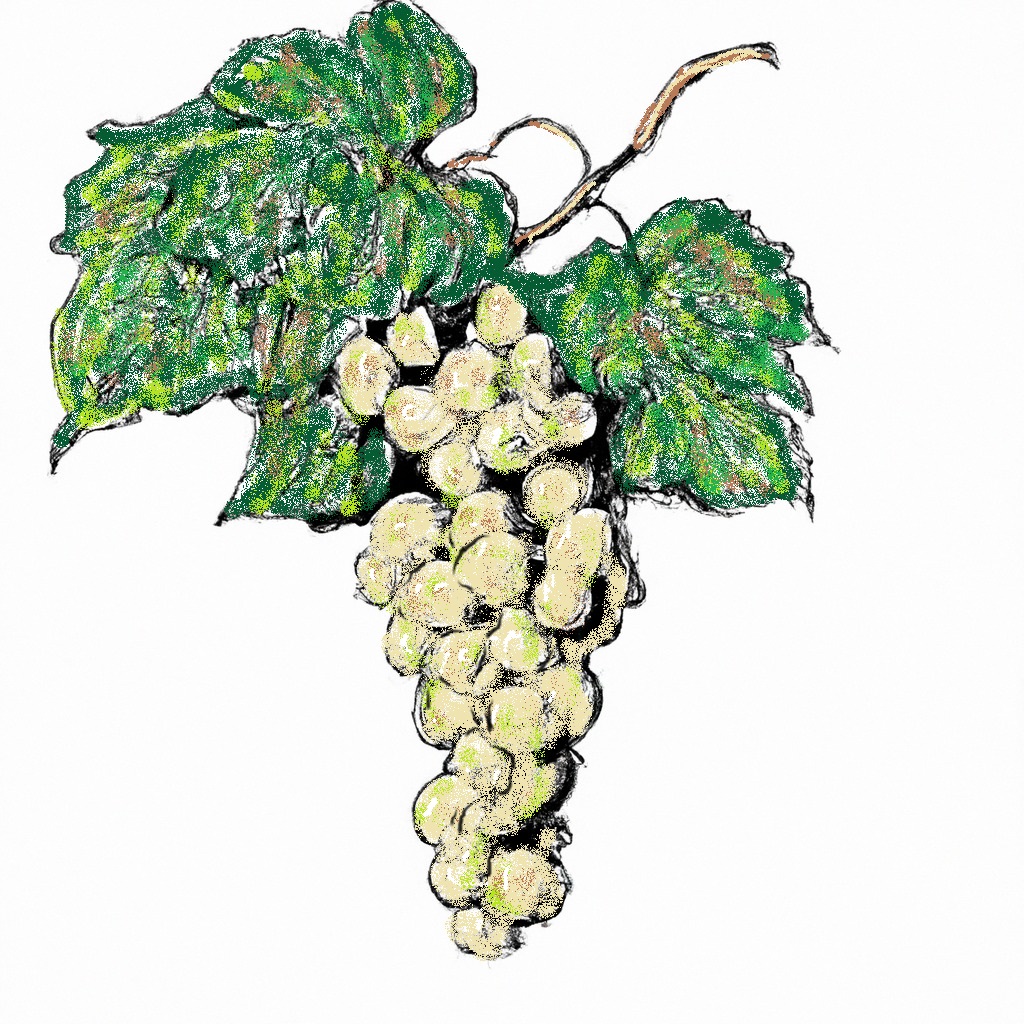
Viorica is a white grape variety native to Moldova, created through hybridization of Seibel 13666 and Aleatico in 1969 at the Moldovan Research Institute for Viticulture and Winemaking. It is best known for producing aromatic, high-quality white wines with floral and Muscat-like characteristics.
#### **Botanical & Viticultural Characteristics**
- **Species:** **Vitis vinifera**
- **Growth Habit:** Moderately vigorous, well-adapted to continental and temperate climates.
- **Ripening Period:** **Mid to late season**, typically harvested in September (Northern Hemisphere).
- **Yield:** Moderate, with controlled yields ensuring high-quality aromatic compounds.
- **Resistance:**
- **Good resistance to fungal diseases** (such as powdery mildew and downy mildew).
- **Tolerant to cold temperatures** compared to other aromatic white varieties.
#### **Climate & Terroir Adaptability**
- **Preferred Climate:** Best suited to temperate and continental climates with warm summers and cool nights.
- **Soil Preference:** Well-drained soils, including loamy, sandy, and calcareous soils.
- **Sun Exposure:** Requires good sunlight exposure for full aroma development but benefits from some shade to prevent excessive sugar accumulation.
#### **Grape & Cluster Characteristics**
- **Berry Size:**
- **Berry Skin:** Thin, yellow-green with a slight waxy coating.
- **Pulp & Juice:** Juicy, highly aromatic, with pronounced Muscat notes.
- **Sugar Content:** **20–24% Brix** (high potential alcohol levels of 12–14% ABV).
- **Acidity:** **6.5–8 g/L** (well-balanced acidity, contributing to freshness).
#### **Wine Characteristics & Styles**
- **Aromatics:** Intense floral (rose, acacia), citrus (lemon, orange blossom), and Muscat-like aromas.
- **Flavor Profile:** Notes of white flowers, ripe stone fruits (peach, apricot), and a hint of spice.
- **Acidity & Structure:** Moderate to high acidity, giving wines freshness and elegance.
- **Aging Potential:** Best consumed young (1–3 years), but some structured versions can age up to 5 years.
#### **Vinification Techniques**
- **Fermentation:** Typically fermented at low temperatures (12–16°C) in stainless steel tanks to preserve aromatics.
- **Skin Contact:** Short maceration (4–8 hours) can enhance floral and fruity notes.
- **Aging:** Usually unoaked to maintain freshness, though some producers experiment with neutral oak or lees aging for added complexity.
- **Common Styles:**
- Dry aromatic whites (most common).
- Semi-sweet and off-dry versions.
- Rarely used for sparkling wines.
#### **Regions & Key Producers**
- **Primary Growing Regions:** Moldova (Valul lui Traian, Codru, Ștefan Vodă), Romania, Ukraine.
- **Notable Wineries:** Château Vartely, Cricova, Purcari, Castel Mimi.
#### **Market & Future Potential**
Viorica is gaining recognition as a **high-quality aromatic white variety**, offering an alternative to Muscat and Gewürztraminer. Its **resistance to disease** and adaptability to **sustainable viticulture** make it attractive for modern winemakers.
As interest in indigenous and unique grape varieties grows, Viorica has strong potential in **niche markets** and for **export-oriented aromatic white wines**.
0
0
[VARIETIES_#]
Specie
VITIS INTERSPECIFIC CROSSING
Sex
Hermaphrodite

Hybrid
Viorika

Moldova
Type
Hybrid
ANALOGUE

ANALOGUE
Hybrid
ANALOGUE
ANALOGUE
.jpg)

.jpg)
1969
Guzun Nicolae I. | Olar F. A. | Tsypko M. V. | Konovalova A. V. | Nedov P. N.
Research and Practical Institute for Horticulture and Food Technologies | Department of Grapevine Genetic Resources and Breeding
Moldova
0
Aromatic
Teinturier
Piwi
Terroir
Climate
[CLIMATE]
Soil
[SOIL]
Vintage
Alcohol by Volume
Residual Sugar
Asidity
pH
Harvest
Ageing
Technical Note
Brand
Ageing Potential
Maceration
Fermentation
[ALCOHOL]
[ALCOHOL]
[SUGAR]
[ACIDITY]
[PH]
[HARVEST]
[AGING]
[TECHNILOGY]
[BRAND]
[BRAND]
[QUALITY]
[QUALITY]
Clarity
Color Intensity
Condition
Aroma Intensity
Taste Intensity
Development
Body
Mousse
Alcohol
Sweetness
Acidity
Finish
Astringency
Balance
Readiness
Quality
[CLARITY]
[COLOR INTENSITY]
[COLOR INTENSITY]
[COLOR INTENSITY]
[TASTE INTENSITY]
[TASTE INTENSITY]
[ALCOHOL]
[MOUSSE]
[ALCOHOL]
[SUGAR]
[ACIDITY]
[ACIDITY]
[ASTRINGENCY]
[BALANCE]
[READINESS]
[QUALITY]
Sugar
Acidity
Tannins
Berry
Cluster
Leaf
Medium, round. Yellow-green with a slight waxy coating.
Medium-sized, conical, moderately compact.
Skin Thickness
Skin Color
Budding
Ripening
Thin
Blanc
Mid - Late
Reference