Add a Title
Add a Title

Add a Title
Add a Title
Add a Title
Add a Title

.jpg)
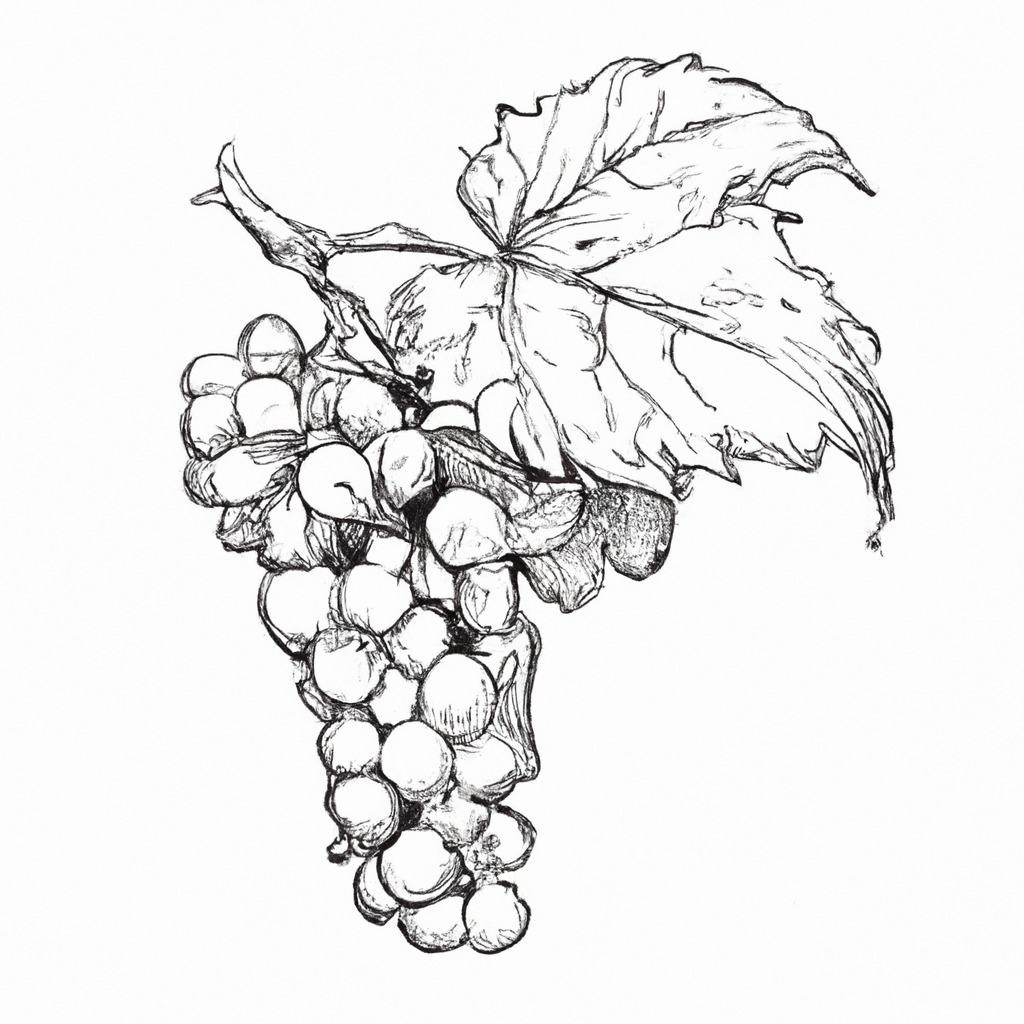
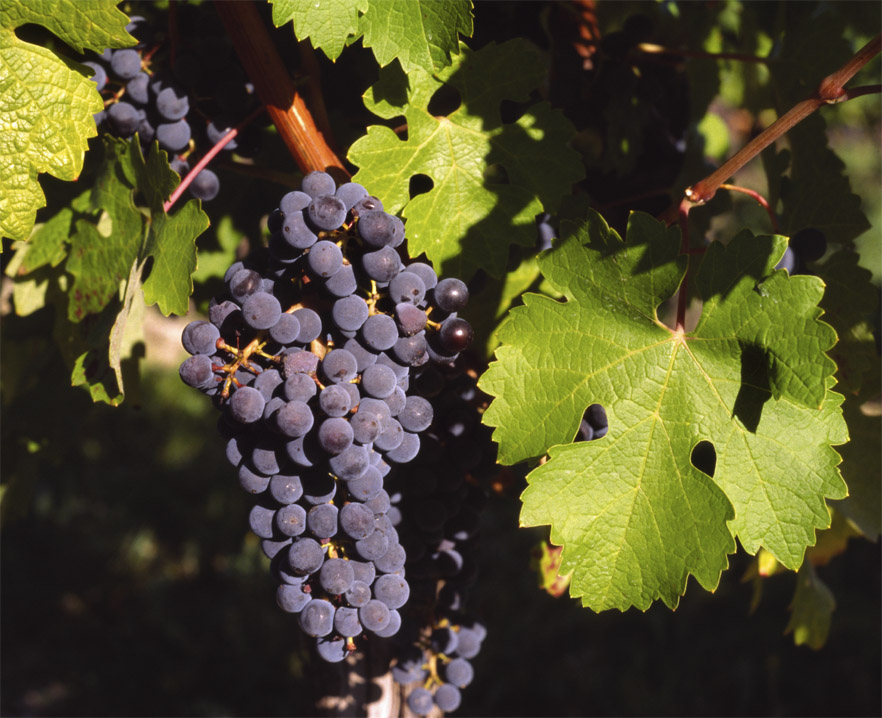


## Vitis vinifera subsp. sativa
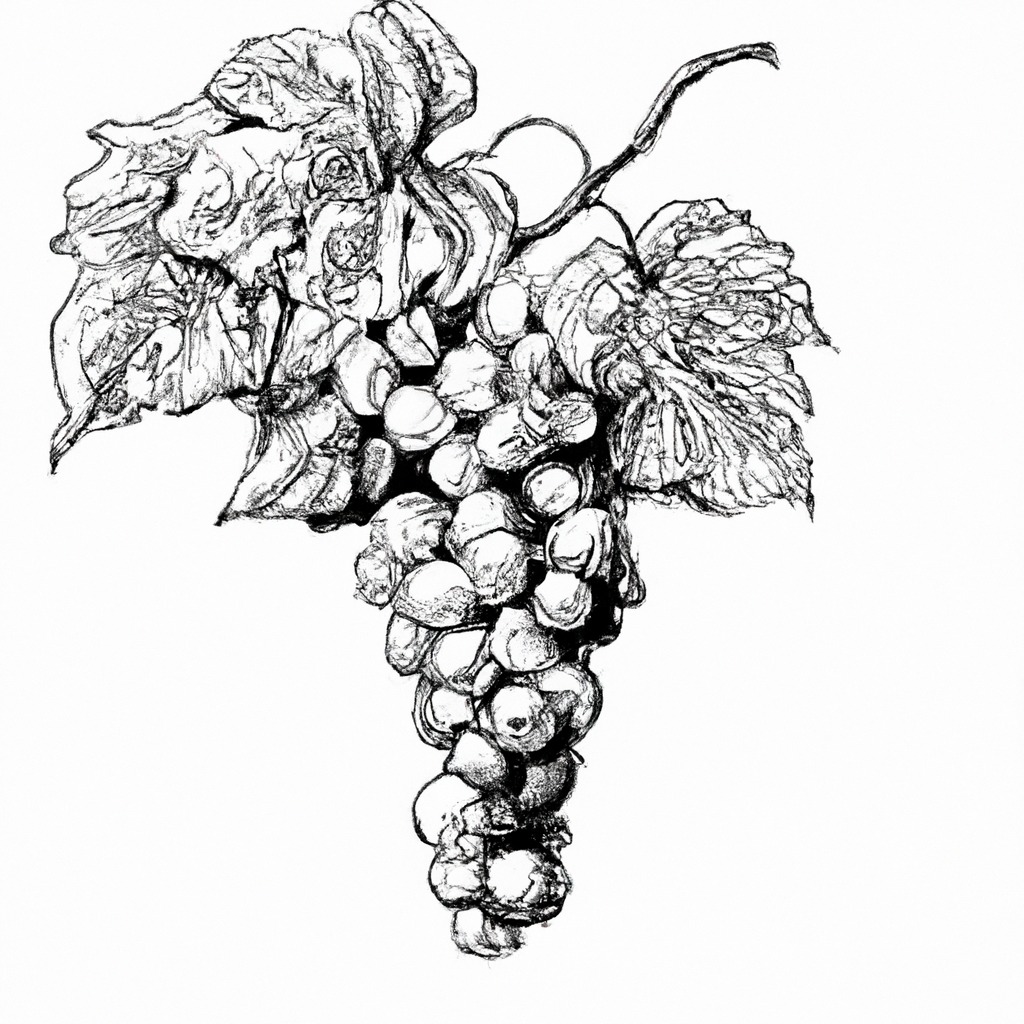
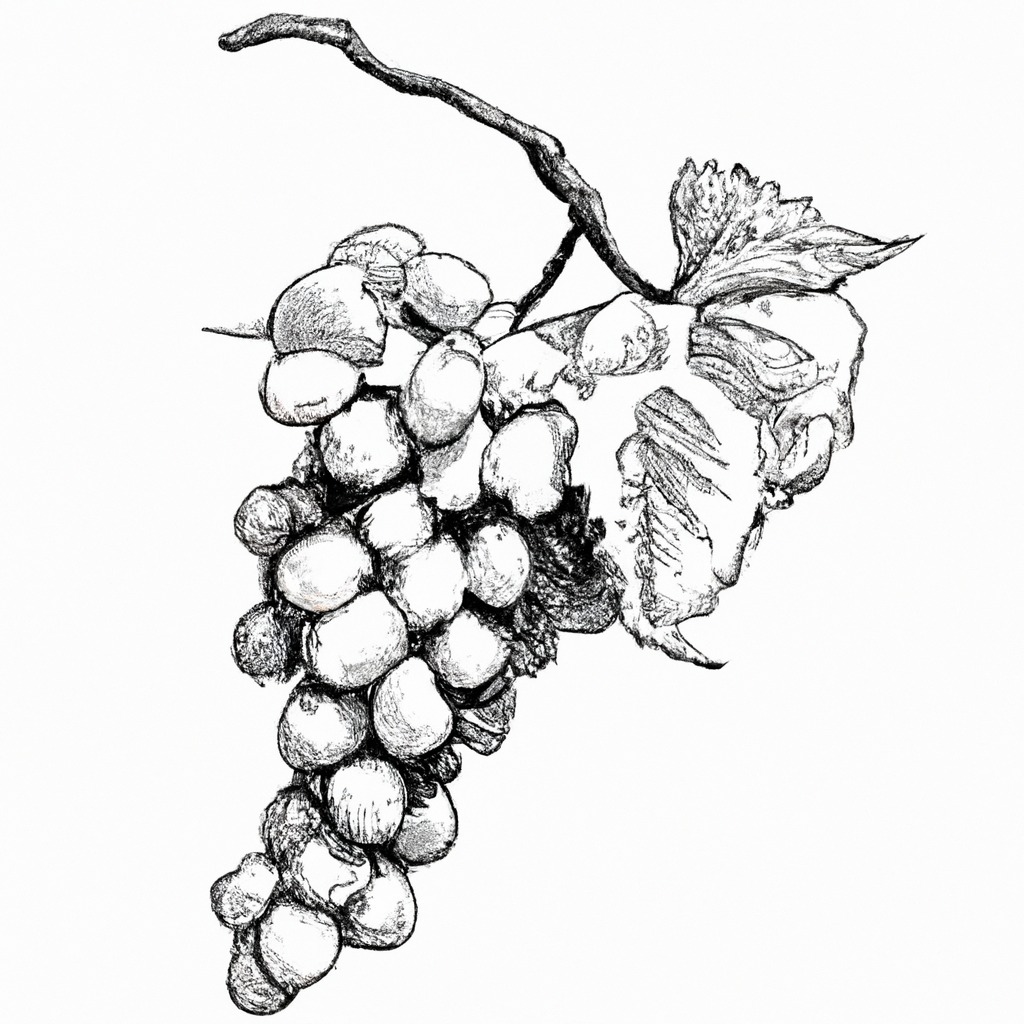
*Vitis vinifera* subsp. *sativa* is the cultivated subspecies of the common grapevine, *Vitis vinifera*. It encompasses all domesticated grape varieties grown worldwide for wine, table grapes, and raisins. This subspecies has immense agricultural, economic, and cultural importance as the foundation of global viticulture and winemaking traditions.
### Key facts
* **Scientific name:** *Vitis vinifera* subsp. *sativa*
* **Common name:** Cultivated grapevine
* **Family:** Vitaceae
* **Domestication center:** Near East and Mediterranean region
* **Primary uses:** Wine, fresh fruit, raisins, and juice
### Domestication and origin


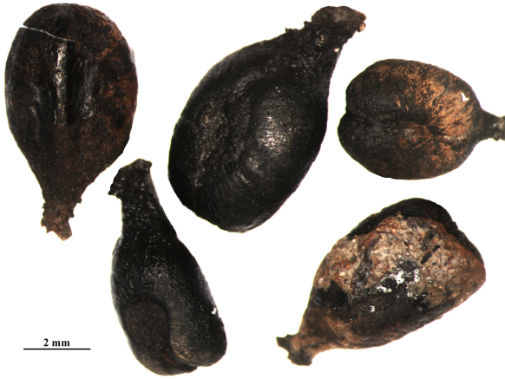
The cultivated grapevine originated from its wild ancestor, *Vitis vinifera* subsp. *sylvestris*, native to Eurasia. Domestication occurred around 6,000–8,000 years ago in the Near East, likely in regions encompassing present-day Turkey, Georgia, and Iran. Early farmers selected for hermaphroditic flowers, larger berries, and higher sugar content, leading to today’s diverse cultivars.
### Morphology and cultivation
*V. vinifera sativa* is a woody perennial climber that supports itself with tendrils. Its leaves are lobed and broad, and its fruit grows in clusters of berries varying in color from green to deep purple. Cultivation requires temperate to warm climates, with careful management of pruning, canopy, and disease control to optimize yield and quality.
### Viticultural and economic significance
This subspecies underlies modern viticulture, with thousands of named cultivars such as Cabernet Sauvignon, Chardonnay, and Thompson Seedless. It dominates global grape production and is the primary species used in winemaking due to its balanced sugar, acid, and aromatic profiles. Grapes also serve as a major source of employment and export revenue in wine-producing nations.
### Genetic diversity and conservation
Despite extensive breeding, genetic diversity remains concentrated in a few elite cultivars. Conservation programs and germplasm repositories preserve wild relatives and heritage varieties to safeguard traits like pest resistance and climate adaptability critical for the future of viticulture.
0
0
[VARIETIES_#]
Specie
Sex

VITIS VINIFERA LINNÉ SUBSP. SATIVA (DE CANDOLLE) HEGI

Type
ANALOGUE

ANALOGUE
ANALOGUE
ANALOGUE
.jpg)
.jpg)
0
Aromatic
Teinturier
Piwi
Terroir
Climate
[CLIMATE]
Soil
[SOIL]
Vintage
Alcohol by Volume
Residual Sugar
Asidity
pH
Harvest
Ageing
Technical Note
Brand
Ageing Potential
Maceration
Fermentation
[ALCOHOL]
[ALCOHOL]
[SUGAR]
[ACIDITY]
[PH]
[HARVEST]
[AGING]
[TECHNILOGY]
[BRAND]
[BRAND]
[QUALITY]
[QUALITY]
Clarity
Color Intensity
Condition
Aroma Intensity
Taste Intensity
Development
Body
Mousse
Alcohol
Sweetness
Acidity
Finish
Astringency
Balance
Readiness
Quality
[CLARITY]
[COLOR INTENSITY]
[COLOR INTENSITY]
[COLOR INTENSITY]
[TASTE INTENSITY]
[TASTE INTENSITY]
[ALCOHOL]
[MOUSSE]
[ALCOHOL]
[SUGAR]
[ACIDITY]
[ACIDITY]
[ASTRINGENCY]
[BALANCE]
[READINESS]
[QUALITY]
Sugar
Acidity
Tannins
Berry
Cluster
Leaf
Skin Thickness
Skin Color
Budding
Ripening
Reference