Add a Title
Add a Title

Add a Title
Add a Title
Add a Title
Add a Title

.jpg)
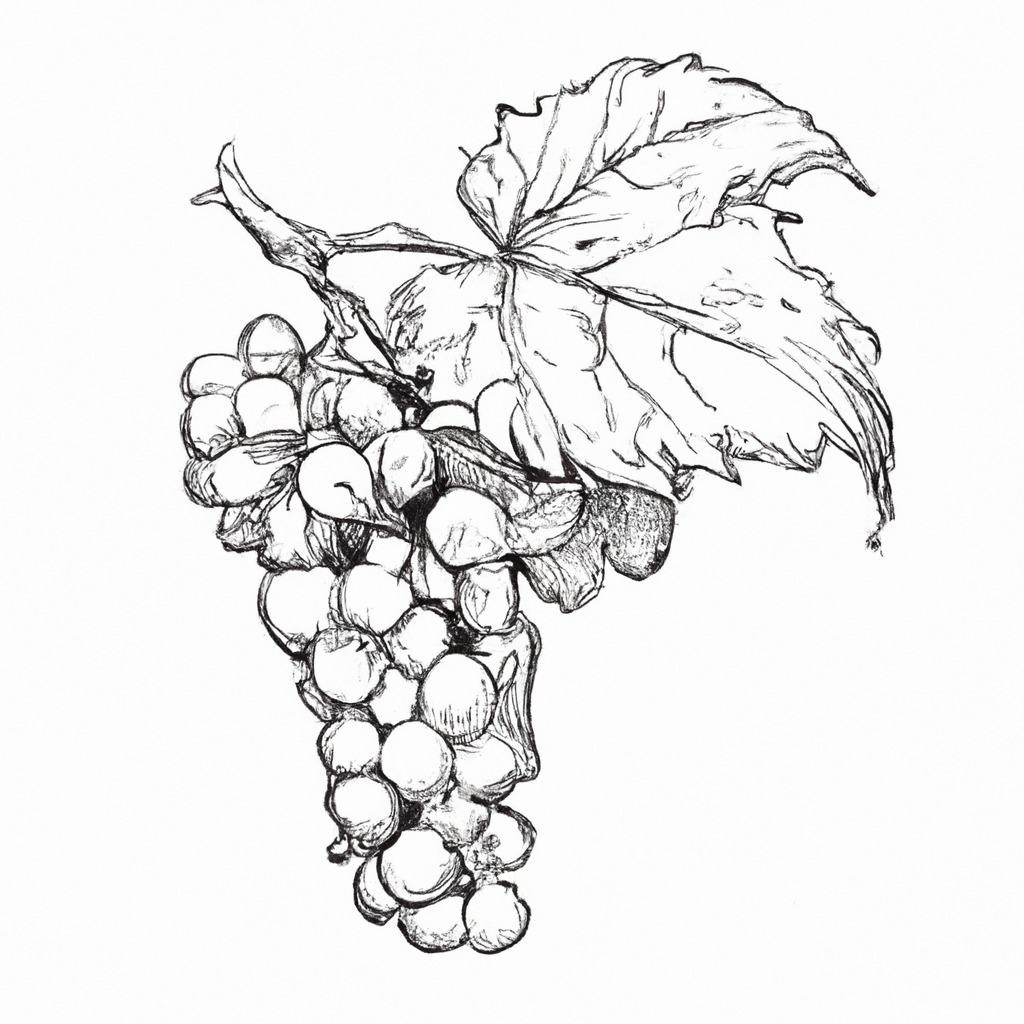
Vitis vinifera subsp. vinifera, often simply referred to as Vitis vinifera, is the scientific name for a subspecies of grapevine that is the most commonly cultivated grape species for wine making, table grapes, and dried fruits (raisins, sultanas, and currants). This subspecies belongs to the Vitis genus, which includes several other species, but Vitis vinifera is by far the most significant for the global wine industry and horticulture due to its fruit quality, variety, and historical importance.
Characteristics of Vitis vinifera subsp. vinifera
- **Origin and History:** Vitis vinifera has been cultivated for thousands of years, with evidence suggesting that winemaking using these grapes dates back to 6000-5000 BCE in the South Caucasus (present-day Georgia), and that viticulture had spread to the Balkans and other parts of the Mediterranean and Middle East by 4000 BCE. It is native to a wide region of Europe and Western Asia from the Mediterranean region to central Asia.
- **Genetic Diversity:** This subspecies boasts incredible genetic diversity, with over 10,000 varieties of Vitis vinifera grapes known, including both table grapes and wine grapes. This diversity allows for the wide range of wine styles and flavors found around the world, adapted to various climates and terroirs.
- **Cultivation:** Vitis vinifera vines are cultivated globally in a wide array of climates, from temperate to warm regions. The specific variety and the cultivation techniques are often chosen to match the local conditions, which, along with winemaking practices, contribute to the concept of "terroir"—the unique characteristics imparted to wine by the environment where the grapes are grown.
- **Wine Production:** The majority of the world's fine wines are produced from Vitis vinifera grapes. This includes well-known varieties such as Cabernet Sauvignon, Merlot, Chardonnay, Riesling, and Pinot Noir, among many others. Each variety brings its unique flavor profile, which can be influenced by the winemaking process to produce a wide spectrum of wine styles.
- **Table Grapes and Dried Fruits:** Beyond wine, Vitis vinifera varieties are also extensively grown for fresh consumption as table grapes and for the production of dried fruits. Varieties are specifically selected for these purposes based on berry size, sweetness, and seed presence (or lack thereof).
- **Viticultural Challenges:** While Vitis vinifera has been successfully cultivated in many parts of the world, it is susceptible to a range of pests and diseases, including phylloxera, powdery mildew, and downy mildew. The introduction of phylloxera to Europe in the 19th century led to widespread devastation of vineyards and the adoption of grafting Vitis vinifera vines onto resistant American rootstock, a practice that continues to be essential for the cultivation of this subspecies in many parts of the world.
The cultivation and development of Vitis vinifera subsp. vinifera have had a profound impact on the culture, economy, and gastronomy of many regions around the world, reflecting the subspecies' importance in agriculture and the beverage industry.
==========================================
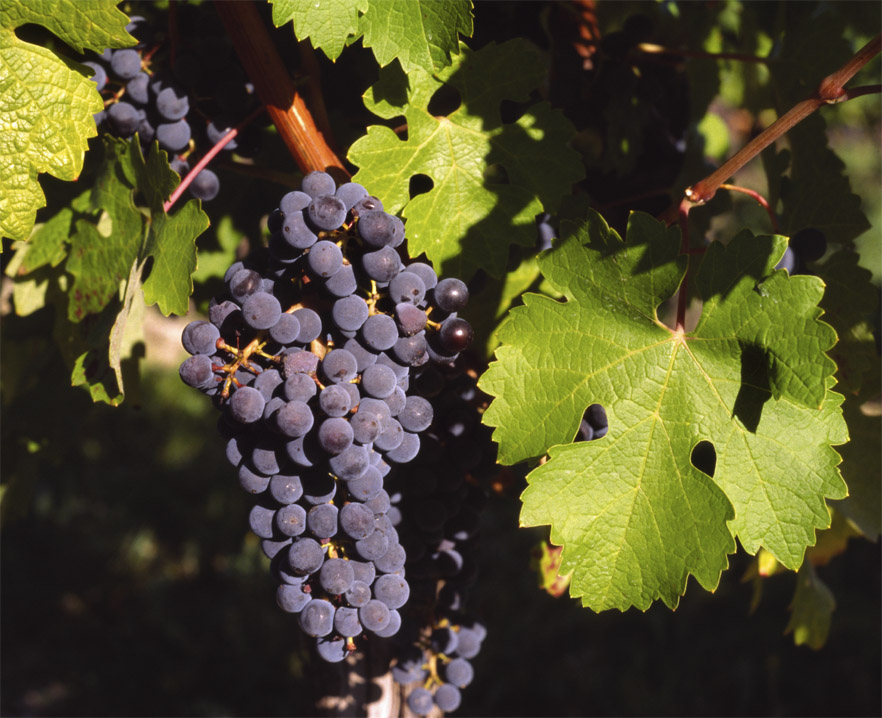

## Vitis vinifera
**Vitis vinifera**, commonly known as the Eurasian or common grapevine, is a woody, deciduous climbing plant native to the Mediterranean region, Central Europe, and southwestern Asia. It is the primary species cultivated worldwide for both table grapes and winemaking, forming the genetic basis of most global viticulture. ([Scientific Library][1])
### Key facts
* **Family:** Vitaceae
* **Height:** Up to 30 m when supported
* **Native range:** Mediterranean Basin to western Asia
* **Subspecies:** *V. vinifera* subsp. *vinifera* (cultivated), *V. vinifera* subsp. *sylvestris* (wild)
* **Genome size:** ~500 Mb; 19 chromosome pairs
### Morphology and growth
The vine is characterized by long, climbing stems with bifurcate tendrils used for support. Its alternate leaves are palmately lobed with serrated edges, measuring 5–20 cm across. Small, greenish bisexual flowers appear in loose panicles during spring, followed by clusters of berries—grapes—ranging from green and red to deep purple. It thrives in full sun and well-drained soils with neutral to slightly alkaline pH. ([World Flora Online][2])
### Distribution and cultivation
Wild populations occur along riverbanks and forest edges in southern Europe and western Asia, while cultivated forms are now found on every continent except Antarctica. Domestication likely began between 6000 BC and 4000 BC in the South Caucasus and Near East. Modern viticulture employs grafting onto pest-resistant rootstocks to protect against phylloxera, a root-feeding insect that devastated European vineyards in the 19th century. ([Scientific Library][1])
### Economic and cultural importance
*Vitis vinifera* underpins the global wine industry, valued at tens of billions of dollars annually. Thousands of cultivars exist, from wine grapes such as *Cabernet Sauvignon* and *Chardonnay* to table varieties like *Thompson Seedless*. Beyond fruit production, grape leaves are used in cuisines (e.g., dolmas), and seeds yield oil rich in unsaturated fatty acids. The species also contains notable phytochemicals such as resveratrol and anthocyanins, which have been studied for antioxidant properties. ([BioCrick][3])
### Ecology and genetics
This diploid species (2n = 38) displays high genetic diversity and environmental plasticity. In 2007, it became one of the first flowering plants to have its genome fully sequenced, advancing research into fruit aroma biosynthesis, stress tolerance, and breeding strategies. ([Scientific Library][1])
[1]: https://www.scientificlib.com/en/Biology/Plants/Magnoliophyta/VitisVinifera01.html?utm_source=chatgpt.com "Vitis vinifera"
[2]: https://www.worldfloraonline.org/taxon/wfo-0000421791?utm_source=chatgpt.com "Vitis vinifera L."
[3]: https://www.biocrick.com/plant/Vitis-vinifera-L--10581.html?utm_source=chatgpt.com "Vitis vinifera L.| BioCrick"
0
0
[VARIETIES_#]
Specie
VITIS VINIFERA LINNÉ SUBSP. SATIVA (DE CANDOLLE) HEGI
Sex
Undefined

Native
VITIS VINIFERA SUBSP. VINIFERA LINNÉ

Wordwide
Type
Native
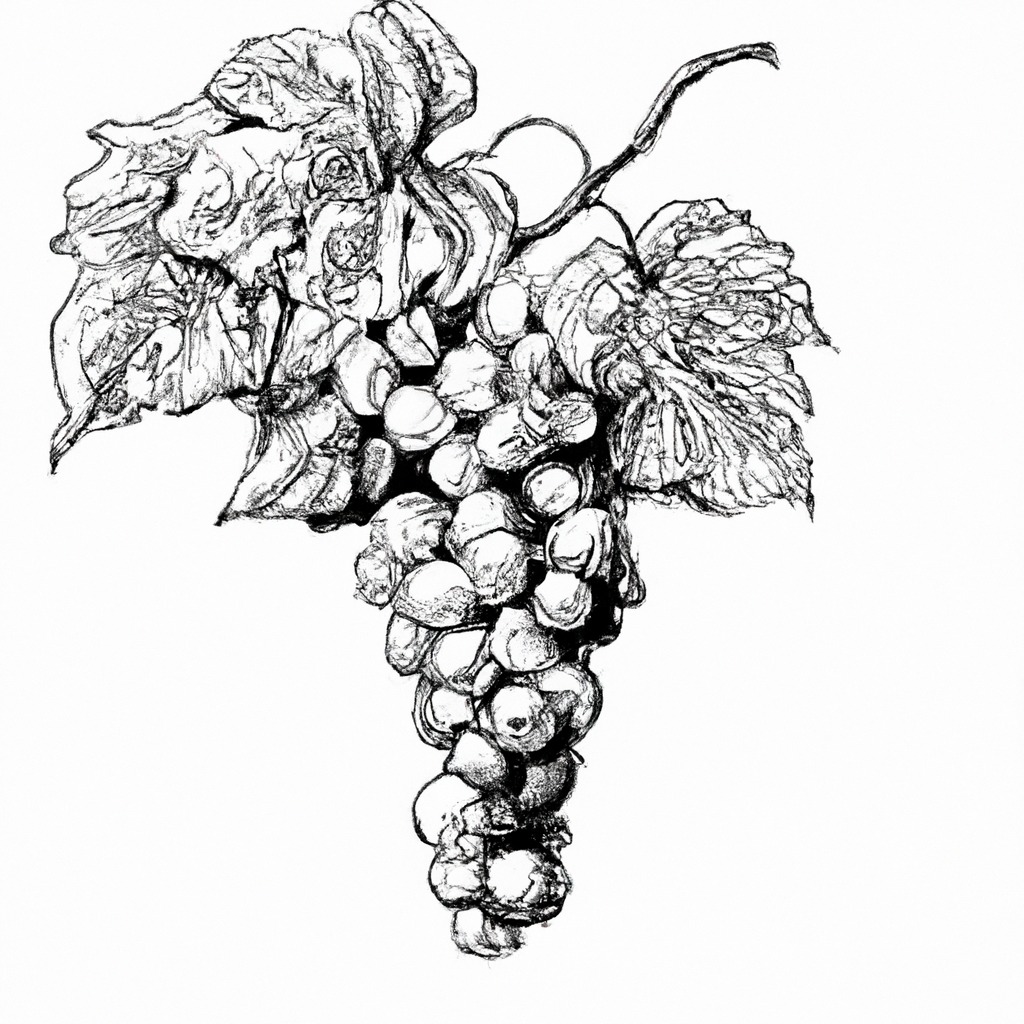
ANALOGUE

ANALOGUE
Native
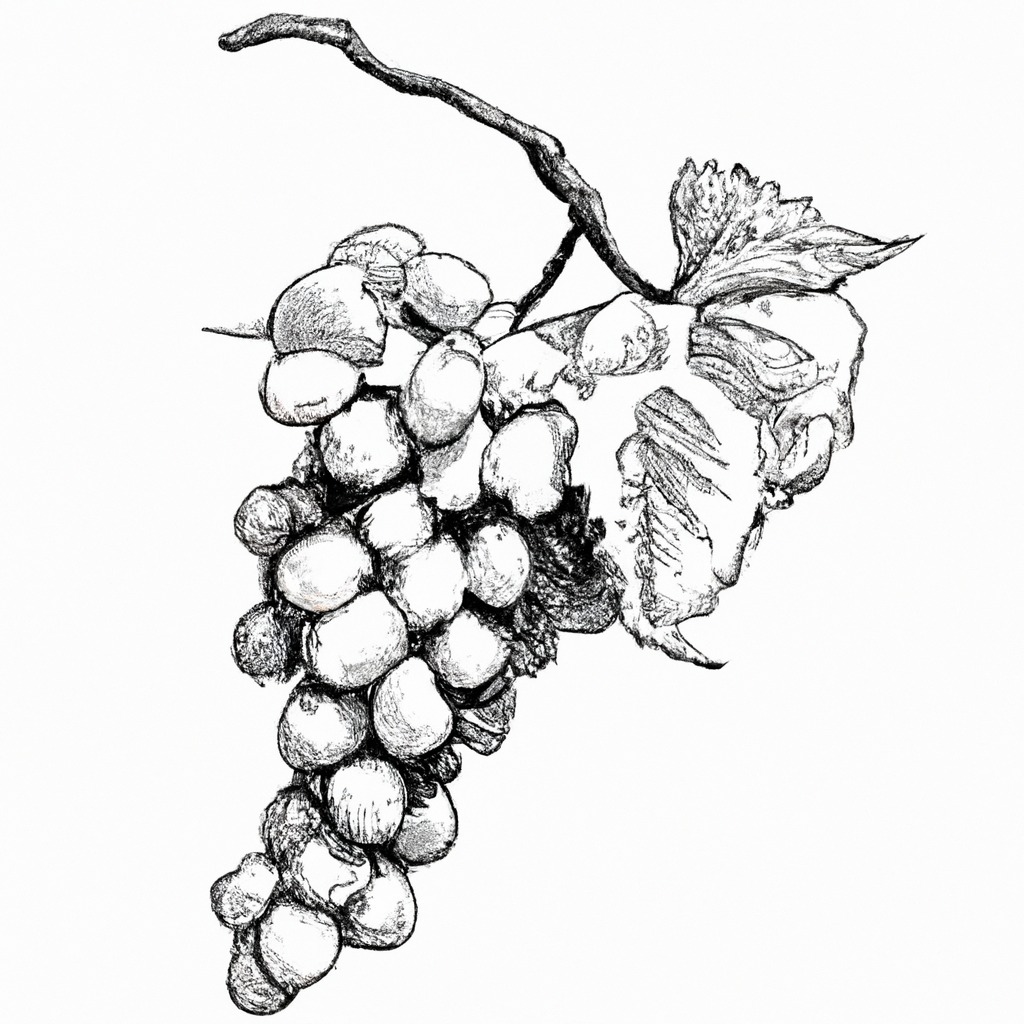
ANALOGUE
ANALOGUE
.jpg)

.jpg)
Wordwide
0
Aromatic
Teinturier
Piwi
Terroir
Climate
[CLIMATE]
Soil
[SOIL]
Vintage
Alcohol by Volume
Residual Sugar
Asidity
pH
Harvest
Ageing
Technical Note
Brand
Ageing Potential
Maceration
Fermentation
[ALCOHOL]
[ALCOHOL]
[SUGAR]
[ACIDITY]
[PH]
[HARVEST]
[AGING]
[TECHNILOGY]
[BRAND]
[BRAND]
[QUALITY]
[QUALITY]
Clarity
Color Intensity
Condition
Aroma Intensity
Taste Intensity
Development
Body
Mousse
Alcohol
Sweetness
Acidity
Finish
Astringency
Balance
Readiness
Quality
[CLARITY]
[COLOR INTENSITY]
[COLOR INTENSITY]
[COLOR INTENSITY]
[TASTE INTENSITY]
[TASTE INTENSITY]
[ALCOHOL]
[MOUSSE]
[ALCOHOL]
[SUGAR]
[ACIDITY]
[ACIDITY]
[ASTRINGENCY]
[BALANCE]
[READINESS]
[QUALITY]
Sugar
Acidity
Tannins
Berry
Cluster
Leaf
Skin Thickness
Skin Color
Budding
Ripening
Reference