Type
ANALOGUE

ANALOGUE
ANALOGUE
ANALOGUE
.jpg)

.jpg)
Slovenia


Add a Title
Add a Title

Add a Title
Add a Title
Add a Title
Add a Title

0
.jpg)
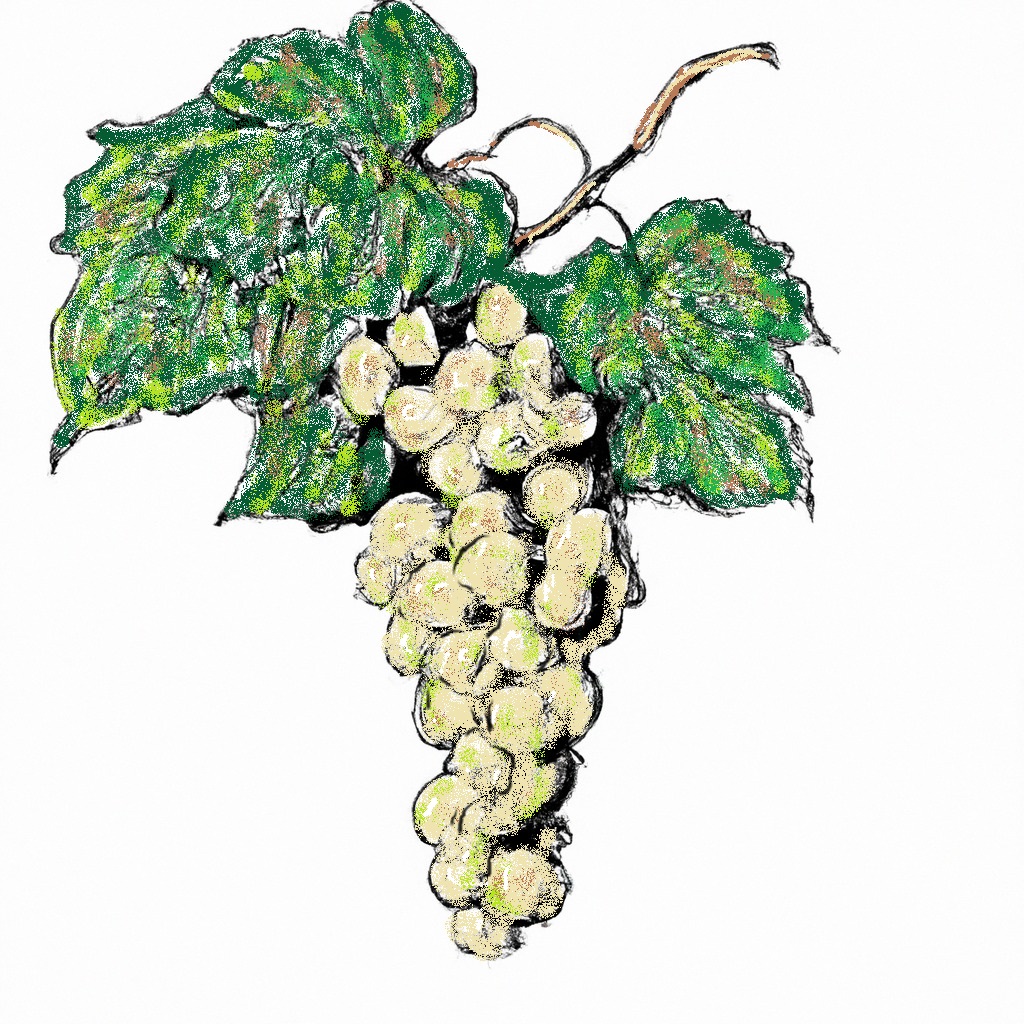
Below is a **professional technical profile of Glera Tonda**, structured for viticultural, oenological, and regulatory reference, with a clear introduction.
---
## Glera Tonda – Technical Profile
### Introduction
**Glera Tonda** is a **historic biotype of the Glera family**, traditionally cultivated in northeastern Italy within the Prosecco production zones of **Veneto**, especially in the **Conegliano–Valdobbiadene** area. The name *Tonda* (“round”) refers to its **rounded berries and more compact clusters**, which distinguish it ampelographically from standard Glera and from Glera Lunga.
While no longer widely planted, Glera Tonda is preserved as a **permitted minor variety** in Prosecco appellations, valued for contributing **body, softness, and ripe fruit expression** to blends.
---
## 1. Classification & Synonyms
* **Primary name:** Glera Tonda
* **Synonyms:** Prosecco Tondo, Prosecco Tonda (historic)
* **Species:** *Vitis vinifera*
* **Genetic status:** Biotype of Glera (ampelographically distinct, not a separate species)
---
## 2. Regulatory Status
### Appellation Use
* **Permitted complementary variety** in:
* Prosecco DOC
* Conegliano Valdobbiadene Prosecco DOCG
* Asolo Prosecco DOCG
### Legal Limits
* Included within the **≤15% non-Glera fraction**
* Cannot be bottled as a varietal wine under Prosecco regulations
---
## 3. Ampelographic Characteristics
### Vine
* **Vigor:** Medium
* **Growth habit:** Semi-erect to spreading
* **Budburst:** Medium
* **Ripening:** **Medium**, slightly earlier than Glera Lunga
### Cluster
* **Shape:** Short, cylindrical-conical
* **Size:** Medium
* **Compactness:** **Moderately compact to compact**
### Berry
* **Shape:** **Round (tonda)**
* **Size:** Medium
* **Skin:** Thin, green-yellow at maturity
* **Pulp:** Juicy, neutral to lightly aromatic
---
## 4. Viticulture
### Climate Suitability
* Temperate continental climates
* Performs best in **well-ventilated hill sites**
* Compact clusters increase sensitivity to humidity
### Soils
* Calcareous clay
* Marl and limestone-rich soils
* Excess fertility increases compactness and disease risk
### Training Systems
* **Guyot** (preferred)
* **Modified Sylvoz** (less common today)
### Yield
* **Medium to high**
* Requires careful yield and canopy management
* Less productive than Glera Lunga but more compact-fruited
---
## 5. Disease Sensitivity
* **Downy mildew:** Moderate to high (cluster compactness)
* **Powdery mildew:** Moderate
* **Botrytis:** **Elevated risk**
* **Drought tolerance:** Moderate
---
## 6. Harvest & Must Composition
* **Harvest period:** Early to mid September
* **Typical must parameters:**
* Sugar: 16.5–18.0 °Brix
* Total acidity: 5.5–6.8 g/L (tartaric)
* pH: 3.20–3.35
Earlier ripening produces slightly lower acidity and fuller mouthfeel.
---
## 7. Vinification Characteristics
### Fermentation
* Stainless steel
* Fermentation temperature: **14–17 °C**
* Neutral yeast strains to avoid masking texture
### Role in Blends
* Adds **roundness and body**
* Softens sharp acidity from Glera Lunga or Verdiso
* Enhances mid-palate weight in Brut and Extra-Dry styles
### Suitability
* Base wines for Charmat method
* Limited suitability for very low dosage styles
---
## 8. Sensory Contribution
### Aromatic Profile
* Ripe pear
* Golden apple
* White peach
* Subtle floral tones
### Palate Impact
* Softer acidity
* Creamier texture
* Slightly broader finish
* Lower perceived tension than standard Glera
---
## 9. Comparison: Glera Biotypes
| Parameter | Glera | Glera Tonda | Glera Lunga |
| ------------------- | ------------- | ------------------- | -------------- |
| Berry shape | Oval | **Round** | Elliptical |
| Ripening | Mid | **Early–mid** | Late |
| Acidity | Medium-high | **Medium** | High |
| Cluster compactness | Medium | **High** | Low |
| Structural role | Aromatic base | **Body & softness** | Acid & tension |
---
## 10. Oenological Significance
Glera Tonda is increasingly recognized as a **balancing element** within traditional Prosecco blends:
* Useful in **Extra-Dry and Dry** styles
* Mitigates angular acidity in cool years
* Contributes texture rather than aromatics
Preservation efforts focus on **old-vine selections** and clonal conservation programs.
---
### Summary
**Glera Tonda** is a **rounded-berry Glera biotype** that contributes **mouthfeel, softness, and ripe fruit character** to Prosecco blends. Though limited in surface area, it remains an important technical component for stylistic balance within the appellation system.
If you want, I can also provide:
* Clonal and DNA distinctions among Glera biotypes
* Blending trials: Glera Tonda % impact
* Climate-change adaptability comparison
* Full minor varieties matrix (Verdiso, Perera, Bianchetta, Glera Lunga)
* Export-ready technical table (Excel-compatible)
0
0
[VARIETIES_#]

Aromatic
Teinturier
Piwi
Terroir
Climate
[CLIMATE]
Soil
[SOIL]
Vintage
Alcohol by Volume
Residual Sugar
[SUGAR]
Asidity
pH
Harvest
Ageing
Technical Note
Brand
Ageing Potential
Maceration
Fermentation
[ALCOHOL]
[ALCOHOL]
[ACIDITY]
[PH]
[HARVEST]
[AGING]
[TECHNILOGY]
[BRAND]
[BRAND]
[QUALITY]
[QUALITY]
Clarity
Color Intensity
Condition
Aroma Intensity
Taste Intensity
Development
Body
Mousse
Alcohol
Sweetness
Acidity
Finish
Astringency
Balance
Readiness
Quality
[CLARITY]
[COLOR INTENSITY]
[COLOR INTENSITY]
[COLOR INTENSITY]
[TASTE INTENSITY]
[TASTE INTENSITY]
[ALCOHOL]
[MOUSSE]
[ALCOHOL]
[SUGAR]
[ACIDITY]
[ACIDITY]
[ASTRINGENCY]
[BALANCE]
[READINESS]
[QUALITY]
Sugar
Acidity
Tannins
Berry
Cluster
Leaf
Skin Thickness
Skin Color
Budding
Ripening
Flowering
Blanc
Reference